
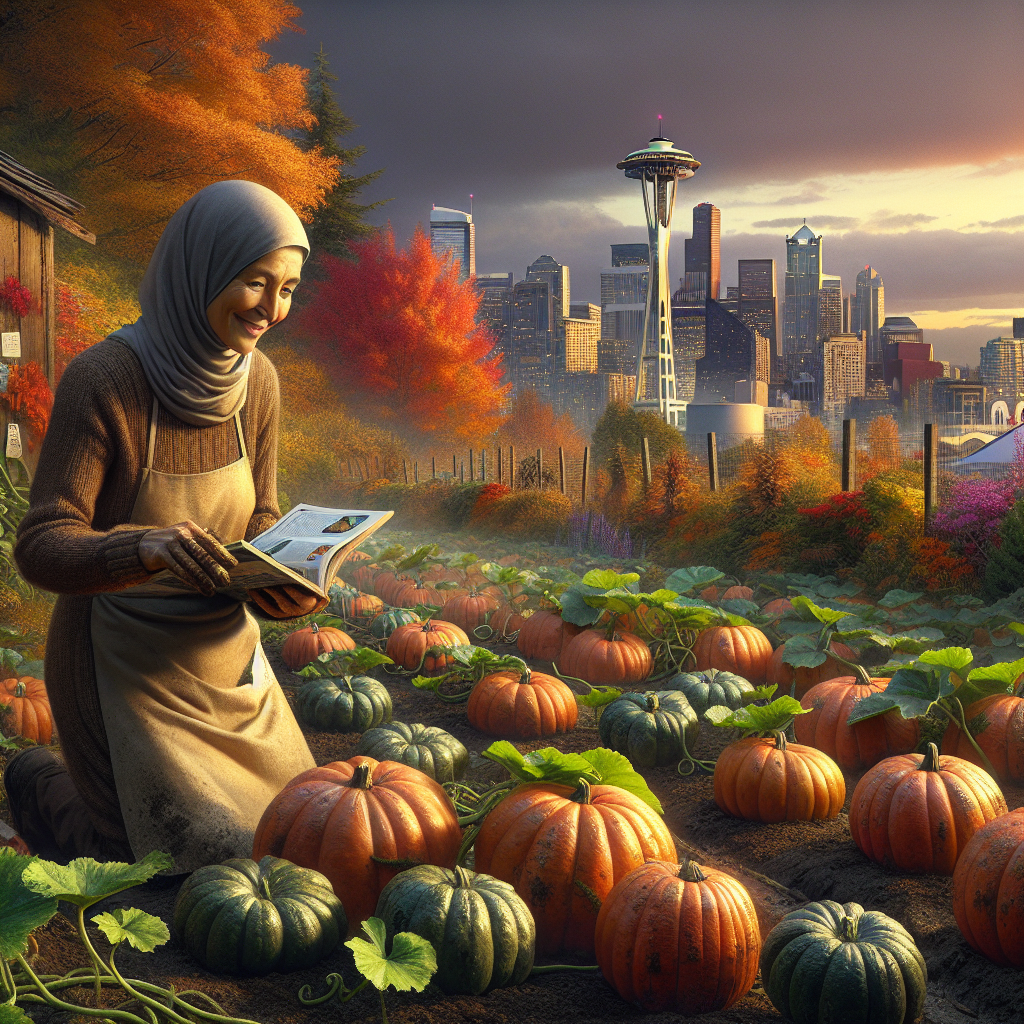
If you’ve ever wandered through a pumpkin patch in the fall or enjoyed the delightful taste of homemade pumpkin pie, you understand the allure of growing your own pumpkins. In the lush, temperate climate of Seattle, you can cultivate a vibrant pumpkin patch with careful planning and the right approach. Whether you’re prepping for a fall harvest or simply want to enjoy the process of gardening, knowing when and how to plant pumpkins is crucial. This comprehensive guide will help you navigate your pumpkin-planting adventure, offering expert tips and answers to your burning questions.
Understanding the Pumpkin Lifecycle
Before we dive into the specifics of planting, let’s take a moment to understand the lifecycle of a pumpkin. Pumpkins are annual plants that thrive in warm temperatures and need a growing season of 75 to 100 days. From seed germination to harvest, it’s essential to know what your plants require in terms of soil, sunlight, water, and temperature.
Key Growth Stages of Pumpkins
- Seed Germination: This is when the seed starts to sprout, usually within 5 to 10 days after planting.
- Seedling Development: By the two-leaf stage, your seedlings will need ample sunlight and nutrients to grow strong.
- Vining Phase: Once established, pumpkin plants will develop long vines that can spread across your garden.
- Flowering: Pumpkins will produce yellow flowers, at which stage pollination is crucial.
- Fruit Development: After successful pollination, pumpkins will begin to grow. This stage can take up to several months.
- Harvesting: Typically occurs in late summer to early fall.
Understanding this cycle helps you plan when to plant your pumpkins for optimal growth.
Climate Considerations in Seattle
Seattle’s climate is characterized by its mild, wet winters and temperate summers, which can pose both challenges and advantages for pumpkin growth. The average last frost date in Seattle typically falls around mid-April, while the first frost date usually arrives by mid-October. With this in mind, timing becomes critical.
The Ideal Time to Plant Pumpkins
Given Seattle’s climate, it’s best to plant pumpkin seeds outdoors after the last frost date. This typically means late April to early May is an optimal timeframe for direct sowing.
Quick Reference Timeline
- Late April to Early May: Direct sow seeds outdoors
- Mid-May to Early June: Transplant seedlings if started indoors
- Late September to Mid-October: Harvest pumpkins
FAQs: When to Plant Pumpkins in Seattle
1. Can I Start Pumpkins Indoors?
Absolutely! Starting pumpkins indoors can give you a head start, especially in a region like Seattle where the growing season can be shorter. If you opt to start seeds indoors, aim to plant them 3 to 4 weeks before the last frost date. This typically means starting your seeds in early to mid-April.
2. What Equipment Do I Need to Start Planting Pumpkins?
You’ll need the following:
- Seed trays or biodegradable pots: Ideal for starting seeds indoors.
- Quality potting soil: Choose soil that is rich in nutrients and well-draining.
- Grow lights or sunny windowsill: If planting indoors, ensure your seedlings get enough light.
- Garden tools: Trowel, rake, and hoe will help with outdoor planting.
- Mulch: Organic materials to help retain soil moisture and regulate temperature.
3. When Should I Transplant Seedlings?
If you opted to start your pumpkins indoors, you can transplant them outdoors around mid-May, once temperatures consistently stay above 60°F (15°C) at night. Be sure to harden off your seedlings by gradually introducing them to outdoor conditions over a week.
4. Will Pumpkins Grow Well in Containers?
Yes, pumpkins can be grown in containers, though you should choose smaller varieties if you’re limited on space. Containers should be at least 5 gallons to provide enough room for the roots. Remember to choose a warm, sunny spot and ensure good drainage.
5. How Often Should I Water My Pumpkin Plants?
Pumpkin plants need consistent moisture, especially during the fruiting stage. Water your plants deeply once or twice a week, depending on rainfall. Make sure to water in the morning to avoid fungal issues, and apply mulch to retain soil moisture.
6. What Nutrients Do Pumpkins Need?
Pumpkins are heavy feeders. Well-balanced fertilizers that are high in nitrogen (during the early stages) and phosphorus and potassium (as they begin to flower and fruit) will support healthy growth. Organic compost also provides a great nutrient boost.
7. When Can I Harvest My Pumpkins?
Pumpkins are typically harvested when they have fully colored and the skin is hard enough that you can’t puncture it with a fingernail. You should also look out for a dry stem, which indicates ripeness. Harvest usually occurs from late September to mid-October.
Preparing Your Soil
Soil health plays a vital role in the success of your pumpkin patch. Here’s how to prepare:
Choosing the Right Location
Select a sunny spot in your garden that receives at least 6 hours of direct sunlight per day. The area should also be well-drained to prevent root rot.
Soil Testing
Prior to planting, conduct a soil test to check nutrient levels. Most pumpkin varieties thrive in slightly acidic to neutral soil (pH 6.0 to 7.0). Amend your soil based on test results:
- Nitrogen is essential for leaf growth.
- Phosphorus promotes healthy root development.
- Potassium helps with flowering and fruit development.
Amendment and Tillage
Amend your soil by incorporating organic compost or well-rotted manure about 2-3 weeks before planting. Tillage to a depth of about 12 inches helps mix the organic matter with the soil.
Choosing the Right Pumpkin Varieties
Selecting the right variety is crucial for your Seattle pumpkin patch. Here are some popular options:
1. Traditional Varieties
- Connecticut Field: A classic pumpkin used for Halloween decoration and pies.
- Jack-O’-Lantern: Specifically bred for carving; it’s medium-sized and has a sturdy structure.
2. Unique Varieties
- White Ghost Pumpkin: Grows with an unusual white color for unique decorations.
- Miniature Varieties: Great for small spaces, these pumpkins can be used for potted decor.
3. Edible Varieties
If you’re looking for delicious recipes, consider growing Sugar Pie Pumpkins. These smaller, sweeter pumpkins are perfect for pies, soups, and more.
Planting Techniques
Direct Sowing
If you’re planting directly in the ground, here’s how:
- Create Mounds: Space your planting area into small mounds about four feet apart to improve drainage and provide warmth.
- Sow Seeds: Plant 2-3 seeds per mound, about an inch deep.
- Cover and Water: Lightly cover the seeds with soil and water gently to encourage germination.
Transplanting Seedlings
If you started your seeds indoors:
- Choose the Right Day: Wait until the threat of frost has passed and nighttime temperatures are consistently warm.
- Plant in Mounds: Dig holes in the previously prepared mounds.
- Set the Seedlings: Gently plant each seedling, ensuring you do not damage the roots.
- Water and Mulch: Immediately water the transplanted seedlings and add mulch to conserve moisture.
Ongoing Care and Maintenance
After your pumpkins are in the ground, continuous care is necessary to ensure a healthy crop.
Watering
Monitor soil moisture throughout the growing season. When watering, provide deep irrigation, especially during flowering and fruit development.
Weeding
Keep the pumpkin patch free of weeds to reduce competition for nutrients. Hand-pulling is often the best method, as pumpkins have shallow roots.
Pest and Disease Control
Pumpkins are prone to certain pests like squash bugs and cucumber beetles. Monitoring and early identification are key. You can use organic insecticides or introduce beneficial insects, like ladybugs, to your garden.
Pruning
For larger pumpkin varieties, consider pruning unnecessary foliage to allow better air circulation and sunlight penetration. Be cautious not to remove too many leaves, as they are essential for photosynthesis.
Timing Your Harvest
When it’s time to harvest, your excitement will build. Here are the practical tips to ensure your pumpkins are ready:
- Check the Color: Ensure the pumpkins have reached their full, vibrant color.
- Test the Skin: A hard skin means your pumpkins are ready to be harvested.
- Dry Stem: Look for a dry stem or vine, which indicates ripeness.
To harvest, use a sharp knife or pruning shears, cutting the stem to leave a few inches attached to the pumpkin for storage longevity.
Post-Harvest Care
Once you’ve gathered your pumpkins, several pathways can lead to enjoyment:
- Storage: Keep your pumpkins in a cool, dry spot out of direct sunlight. They can last several months if stored properly.
- Culinary Uses: Don’t waste any part! Use the flesh for soups, pies, and smoothies. The seeds can be roasted for a nutritious snack.
Conclusion
Planting pumpkins in Seattle is a rewarding endeavor that can be both fun and delicious. By understanding your climate, soil needs, and pumpkin varieties, you can cultivate a bountiful harvest. Whether you’re growing them for Halloween or for holiday recipes, the experience offers an opportunity to connect with nature and enjoy the beauty of gardening.
So, grab your gardening gloves, choose your seeds, and start planning your pumpkin patch! Whether it’s the joy of watching them grow or the satisfaction of cooking a meal with your home-grown pumpkin, this journey is sure to be one of fulfillment and joy. Happy planting!