
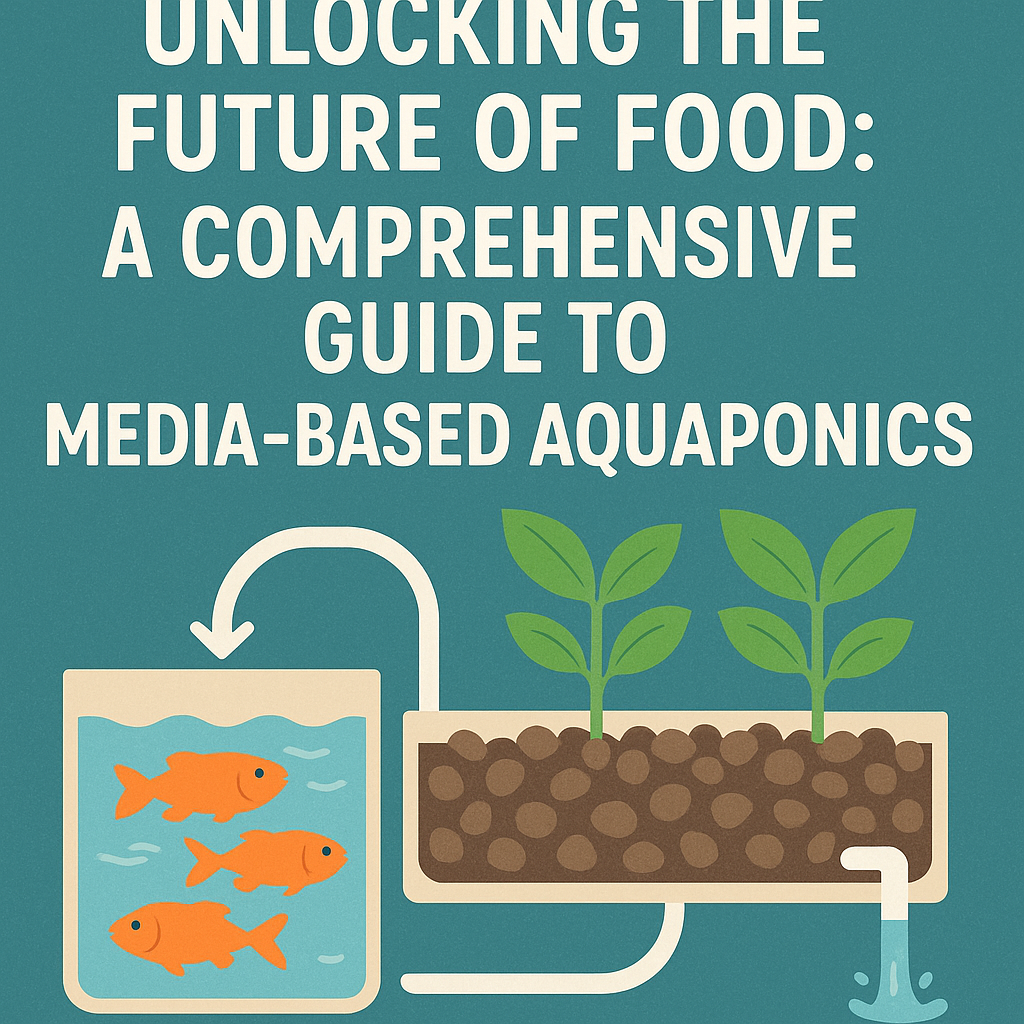
Aquaponics is revolutionizing the agriculture landscape by merging aquaculture (the farming of fish) with hydroponics (growing plants in nutrient-rich solutions). Among various aquaponic systems, media-based aquaponics stands out due to its adaptability and suitability for many environments. This article delves into the nuances of media-based aquaponics, its benefits, implementation, common questions, and everything else you need to know to get started.
What is Media-Based Aquaponics?
Media-based aquaponics is an innovative agricultural system that integrates fish and plant production in a symbiotic environment. Unlike hydroponics, which primarily uses water as a growing medium, media-based systems utilize solid substrates such as gravel, clay pebbles, or other inert materials. These media not only support plant roots but also provide a habitat for beneficial bacteria that convert fish waste into nutrients for plants.
The Components of Media-Based Aquaponics
-
Fish Tanks: The heart of the aquaponics system where fish are raised. Common fish species used include tilapia, catfish, and trout. These fish produce waste that is rich in ammonia.
-
Biofilter: This is where beneficial bacteria convert ammonia into nitrites and then into nitrates, which are less harmful to fish and serve as food for plants.
-
Growing Media: The substrate used for growing plants. It retains moisture and nutrients while allowing oxygen saturation for the roots.
-
Plants: A variety of crops can be cultivated, ranging from leafy greens like lettuce and kale to fruiting plants such as tomatoes and peppers.
-
Waste Management System: Systems for managing fish waste, excess nutrients, and potential issues related to water quality.
Why Choose Media-Based Aquaponics?
There are several reasons people gravitate towards, media-based aquaponics:
-
Space Efficient: Many media-based systems can be built vertically, thereby maximizing space utilization, which is particularly beneficial in urban areas or places with limited land availability.
-
Soil-less Cultivation: Media-based systems reduce the reliance on soil, making it ideal for places with poor soil quality or arid regions.
-
Resource Conservation: Media-based aquaponics systems conserve water— up to 90% less than traditional farming methods. The closed-loop system recycles water, which is a vital consideration given the global water crisis.
-
Organic Produce: The natural processes of aquaponics allow for organic vegetable production without synthetic fertilizers or pesticides.
Setting Up Your Media-Based Aquaponics System
Creating a successful media-based aquaponics system requires careful planning and consideration of various factors. Here are the steps to get started:
-
Choose the Right Location: Select a location with access to adequate sunlight (at least 6 hours per day), water, and electricity. Indoor setups can use grow lights to provide the necessary light.
-
Select Your Fish: Research and choose fish species that are suited for your climate and that you are comfortable raising. Popular choices are tilapia for their hardiness and fast growth rates.
-
Design Your System: Depending on your resources, space, and preferences, choose a system design. Many options exist—from simple media beds to more complex systems that increase efficiency.
-
Select Media: Choose an appropriate growing medium which is inert, pH-neutral and has good water retention capabilities. Common choices include expanded clay pellets, gravel, or a mixture of different materials.
-
Cycle Your System: Before placing fish into your tank, establish the nitrogen cycle. Introduce beneficial bacteria to promote the conversion of fish waste, which may take several weeks.
-
Plant Your Crops: After the cycling is complete, you can introduce plants. Start with seedlings or cuttings for best results. Monitor growth and health.
-
Monitor Water Quality: Regularly check the water parameters, including pH, ammonia, nitrite, nitrate, and dissolved oxygen levels. Water quality is crucial for both fish health and plant growth.
-
Feed Your Fish Sustainably: Choose high-quality fish feed that will promote growth and ensure you are not adding unnecessary pollutants to the system.
-
Maintain and Harvest: Regularly clean your system, manage plant growth, and harvest your fish and produce. Continuous monitoring ensures everything remains balanced and healthy.
Frequently Asked Questions about Media-Based Aquaponics
What is the Role of Bacteria in Media-Based Aquaponics?
Beneficial bacteria play a critical role in aquaponics. They convert fish waste (ammonia) into nitrites and then into nitrates through a process known as nitrification. Nitrates are essential nutrients for plant growth. In media-based systems, the substrate acts as a medium and home for these bacteria to thrive, thereby ensuring effective nutrient cycling.
How Much Fish Can I Raise?
The fish stocking density depends on system design, size, and the fish species you’re raising. A general rule of thumb is 1 pound of fish for every 2 gallons of water in the system, but this can vary based on multiple factors including species and feed conversion ratios. Overcrowding can lead to poor water quality and result in stress or disease among fish.
Is Media-Based Aquaponics Energy Efficient?
Yes, media-based aquaponics can be energy efficient compared to traditional agriculture. The closed-loop system recycles water and nutrients, minimizing wastage. While systems require energy for pumps and airators, many setups can incorporate renewable energy sources, such as solar panels, to reduce long-term costs.
Can I Use This Method for Commercial Production?
Absolutely! Media-based aquaponics is increasingly being adopted for commercial purposes. The integration of fish and plants in a controlled environment can lead to high yield, reduced labor costs, and the ability to produce organic food—an attractive option for urban food production and local markets.
What Crops Are Best Suited for Media-Based Aquaponics?
While many plants can thrive in media-based aquaponics, some are particularly well-suited due to their growing requirements:
- Leafy Greens: Lettuce, spinach, and kale have quick growth rates and are popular choices.
- Herbs: Basil, cilantro, and parsley do well and can fetch higher market prices.
- Fruit-bearing Plants: Tomatoes, peppers, and strawberries can also be grown but may require more attention to nutrient balance due to their higher nutrient needs.
How Do Weather Conditions Affect My System?
Weather can impact your media-based aquaponics system, especially if there are significant temperature fluctuations. Fish and plant growth are highly influenced by temperature. Outdoor systems may require insulation or shade in extreme weather conditions, while indoor systems can be more easily controlled.
What Are Common Challenges in Media-Based Aquaponics?
While media-based aquaponics is rewarding, it is not without challenges. Here are a few common problems you might encounter:
-
Water Quality Issues: Maintaining good water quality is persistent. Tests for ammonia, nitrites, nitrates, and pH levels should be routine.
-
Pest Management: Although the system is designed to minimize pesticide usage, pests can still be a challenge. Integrated Pest Management (IPM) strategies can help manage infestations without disrupting the system.
-
System Balance: Keeping the microbial ecosystem balanced can be tricky. Regular monitoring and adjustments may be necessary.
-
Growth Lag: In the initial stages, plants might grow slower as the system establishes itself. Patience and monitoring are key.
The Future of Media-Based Aquaponics
With increasing global population and shrinking arable land, the future of media-based aquaponics is incredibly promising. Its sustainable approach to food production provides a solution to some of the most pressing agricultural challenges facing our world.
Technological Integration
Emerging technologies such as IoT (Internet of Things), AI (Artificial Intelligence), and advanced sensors are making aquaponics more efficient and easier to manage. Automated systems can monitor water parameters in real-time, adjusting nutrient levels and even fish feeding schedules without human intervention.
Urban Farming Initiatives
Urban areas are increasingly adopting media-based aquaponics as part of local food initiatives. As cities strive for food security and reduce their carbon footprints, urban aquaponic farms are becoming sources of fresh, organic produce. Community gardens can incorporate media-based systems, building local connections and promoting sustainable practices.
Education and Research
As awareness grows around the benefits and challenges of aquaponics, educational programs and research initiatives also expand. Schools and institutions are adopting aquaponic techniques to teach sustainability, biology, and agriculture’s future.
Conclusion
Media-based aquaponics represents a promising avenue for sustainable farming in an era marked by environmental challenges and the pressing need for food security. With its efficient use of resources, ability to produce high-quality organic crops, and integration of fish farming, it is a compelling system for both hobbyists and commercial growers. Whether you’re interested in starting a small home garden or seeking a productive business venture, media-based aquaponics offers a fascinating blend of science, sustainability, and culinary possibilities.
As you embark on your aquaponics journey, remember that learning and adapting will be key factors to your success. With passion and dedication, you can cultivate not just plants and fish, but also your connection to a sustainable future. Happy gardening!