
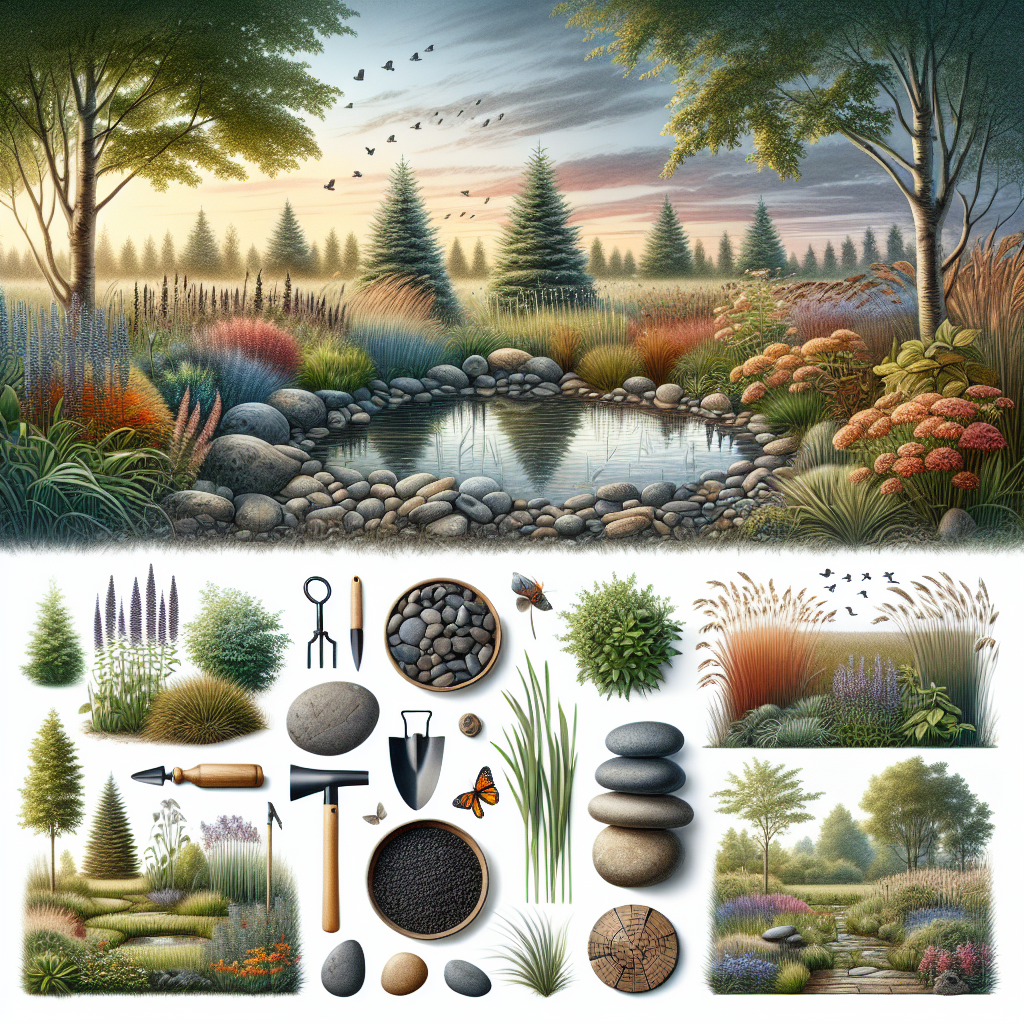
Rain gardens are a powerful tool in managing stormwater, reducing urban runoff, and enhancing biodiversity. By collecting and absorbing rainwater from impervious surfaces, these gardens not only mitigate flooding but also promote a healthier ecosystem. In this article, we will delve deeply into rain garden design templates, answering a variety of questions and providing an extensive exploration of the principles that make these green spaces effective and beautiful.
What is a Rain Garden?
Before diving into design templates, let’s first clarify what a rain garden is. A rain garden is a shallow, planted depression that captures stormwater runoff from impervious surfaces, such as roofs, driveways, and sidewalks. The garden is typically designed to hold water temporarily, allowing it to infiltrate into the soil. This process filters pollutants and provides water to plants and the surrounding environment, promoting biodiversity.
Why are Rain Gardens Important?
1. Stormwater Management
Rain gardens help mitigate the effects of stormwater runoff, which can lead to erosion, flooding, and water pollution. By capturing rainwater, these gardens reduce the volume of water that, during heavy rain, would otherwise cause issues downstream.
2. Environmental Benefits
Rain gardens promote biodiversity by providing habitat for various species, including birds, butterflies, and beneficial insects. They can also support local plants adapted to regional conditions, further enhancing the ecosystem.
3. Aesthetics and Landscape Design
Beyond their functional benefits, rain gardens can also be visually striking. When well-designed, they can add a natural beauty to any landscape, blending seamlessly with the environment.
4. Education and Community Engagement
Creating a rain garden offers an opportunity for community engagement and environmental education, teaching residents about sustainable practices and the importance of rainwater management.
Key Elements of Rain Garden Design
1. Location
When choosing a site for your rain garden, consider the following factors:
- Topography: Select a low area in your yard where water naturally collects. Avoid areas near foundations or in spots prone to flooding.
- Sunlight: Most plants prefer sunlight, so consider a location that receives at least six hours of direct sun daily.
- Soil Type: Conduct a soil test to determine the drainage capacity. Sandy soils typically allow for good drainage, while clay soils may require soil amendment.
2. Size and Shape
The size of your rain garden should reflect the amount of runoff it will capture. A general rule of thumb is that the garden should be about 20-30% of the area of the impervious surface from which runoff will be received. In terms of shape, a natural, flowing design often looks more appealing than a rigid geometric one.
3. Plant Selection
Choosing the right plants is crucial to a successful rain garden. Native plants are generally the best options, as they are well-adapted to the local climate and soil conditions. Consider plants that thrive in wet conditions, as well as those that tolerate dry spells. Look for:
- Upland Species: Plants that thrive in drier conditions.
- Wetland Species: Plants that prefer moist or consistently wet conditions.
Mixing both types will create a more resilient ecosystem and promote biodiversity.
4. Hydrology
Understanding how water flows through your yard is key. Observe the path of rainwater and how it interacts with your garden. This can help you in designing the rain garden so that it captures and retains runoff effectively.
Popular Rain Garden Design Templates
Design templates can serve as an excellent starting point, offering visually appealing and functional layouts. Here are a few popular templates:
1. Classic Circle Garden
- Overview: This circular design is often used for small areas and provides a focal point in the landscape.
- Best For: Gardens where aesthetics are paramount, or in tighter spaces.
2. Rectangular Basin Garden
- Overview: A straightforward design that can integrate seamlessly with existing landscapes.
- Best For: Larger properties where space is not a concern and where straight lines complement other landscape elements.
3. Meandering Path Garden
- Overview: Incorporates a winding path through the garden, allowing access to plants and creating a more natural flow.
- Best For: Areas intended for recreation or exploration, where residents want to interact with their garden.
4. Tiered Garden
- Overview: A design that incorporates multiple levels or tiers to create visual interest while effectively managing runoff.
- Best For: Sloped areas and properties with a varied topology.
How to Create Your Rain Garden Template
1. Conduct a Survey
Before you can design your rain garden, it’s essential to analyze your property. Take note of:
- Soil type and drainage capacity
- Existing plants and sunlight exposure
- The flow of water during and after rain events
2. Draft Multiple Designs
Using the insights gained, sketch out several variations of your dream rain garden. Consider layout, path configuration, and plant selections. It’s beneficial to experiment with design software or even simple grid paper.
3. Select Your Plants
Once you have a draft you like, start selecting plants that fit well within the chosen template. Make sure to vary heights, textures, and bloom times for visual interest throughout the seasons.
4. Plan for Maintenance
Like any garden, rain gardens require ongoing care. Plan paths and access points to make maintenance easier. Regular weeding, mulching, and ensuring plants are thriving should be a part of your upkeep strategy.
5. Implementation
Gather the necessary materials, which may include compost, mulch, soil amendments, and the chosen plants. Prepare the site according to your design template, ensuring the correct grading and planting depths.
Common Questions About Rain Garden Design Templates
Q1: How do I know if my site is suitable for a rain garden?
A: Look for low spots in your yard where water naturally collects. Avoid areas too close to foundations, as well as regions with poor drainage. Conduct a soil test to understand your soil type and drainage capacity.
Q2: Can I plant non-native species in my rain garden?
A: While you can use some non-natives, it’s advisable to primarily select native species. Native plants are adapted to the environment, require less maintenance, and support local wildlife.
Q3: How much water can a rain garden hold?
A: The capacity of a rain garden depends on its size, depth, and the type of soil. A properly designed rain garden can absorb runoff from a significant portion of your impervious areas, but it can also overflow during very heavy rains.
Q4: Will a rain garden attract mosquitoes?
A: When designed properly, rain gardens should drain within 24-48 hours, reducing the risk of mosquito breeding. However, maintain the garden regularly and avoid any standing water to keep mosquito populations in check.
Q5: What types of plants should I select for my rain garden?
A: Look for native species suited to both wet and dry conditions. Examples may include coneflowers, black-eyed Susans, rushes, and sedges. Check with local extension services for region-specific recommendations.
Creating a Maintenance Plan
1. Initial Maintenance
During the first growing season, monitor the rain garden closely to ensure the plants are establishing. Water regularly if conditions are dry, and keep an eye out for invasive weed species.
2. Annual Maintenance
Once established, maintenance tasks become less frequent but should still be scheduled annually. This may include:
- Inspecting plant health
- Applying mulch
- Weeding and doing any necessary pruning
- Checking drainage and soil health
3. Seasonal Adjustments
Depending on local conditions, seasonal adjustments may be needed. In winter, consider snow management practices to ensure that meltwater drains properly into the garden.
Conclusion
Rain gardens are an invaluable asset in the quest for sustainable water management. By implementing strategic designs utilizing rain garden templates, you can create functional and aesthetic spaces that not only reduce runoff but also foster biodiversity and educate communities.
By following the tips in this article, engaging with your local ecosystem, and being mindful of landscape aesthetics, your rain garden can serve as a model for environmental responsibility and beauty for years to come. The journey to creating and maintaining a rain garden is not just about plants and soil; it represents a commitment to sustainability, community engagement, and ecological stewardship that can inspire future generations.