
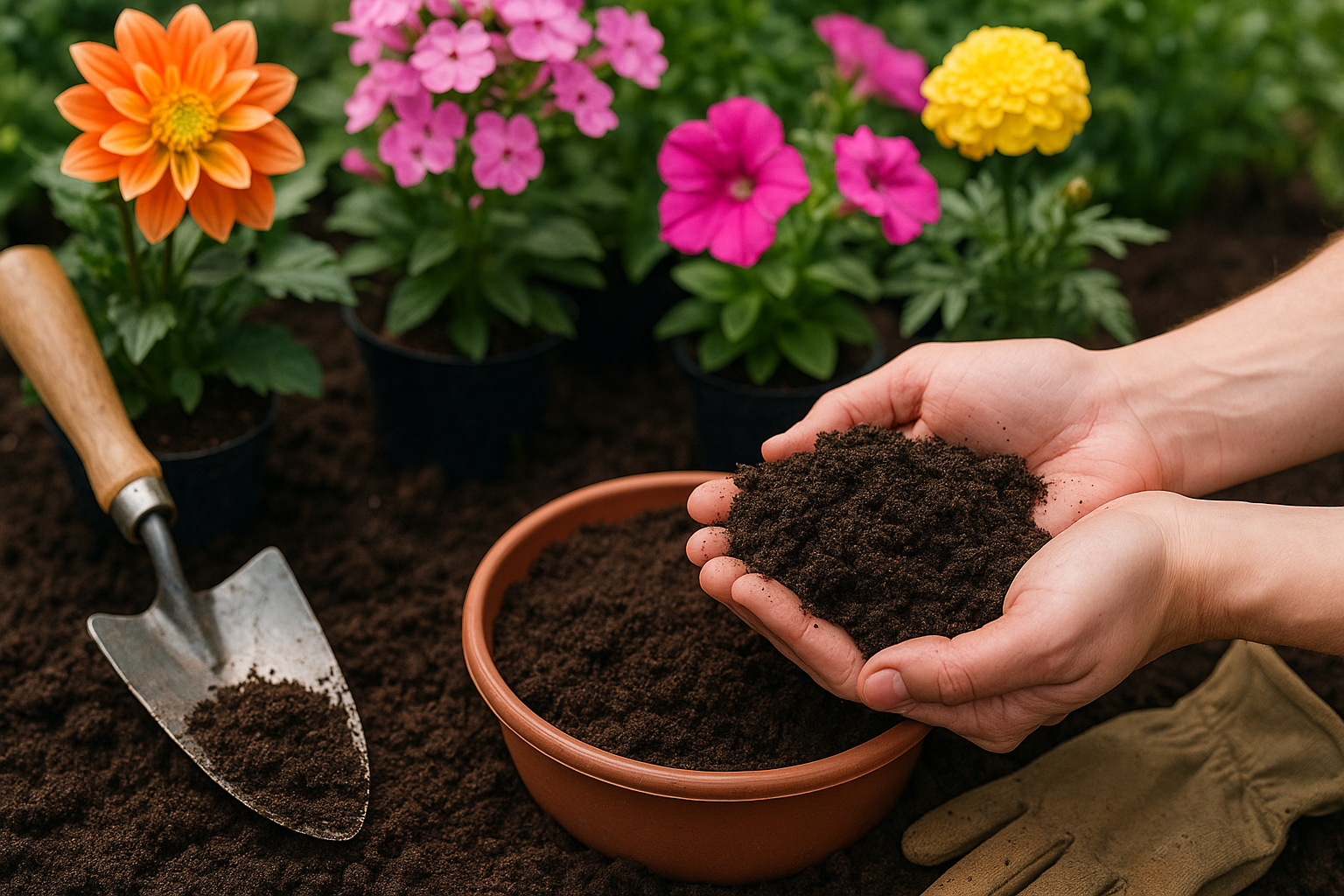
Gardening is much more than just a pastime; it’s a way to connect with nature, to cultivate beauty, and, in many cases, to cultivate delicious and nutritious food. Central to this beautiful endeavor is the soil, often referred to as the “heart of the garden.” Flower garden soil plays a crucial role in determining the health, vitality, and aesthetics of your blooms. In this comprehensive guide, we will delve deep into the intricacies of flower garden soil—its composition, types, testing, and enhancement techniques—answering common questions gardeners have along the way. So grab your gardening gloves and let’s explore the rich world beneath our feet.
Understanding the Components of Flower Garden Soil
What is Flower Garden Soil Made Of?
Flower garden soil is a complex mixture of organic matter, minerals, air, and water, each contributing to a healthy environment for plants. The primary components include:
-
Mineral Particles: Approximately 45% of soil is made up of mineral particles, including sand, silt, and clay. Each type of soil particle affects the soil’s texture and drainage capacity.
- Sand: Coarse and gritty, sand facilitates excellent drainage but holds little nutrients.
- Silt: Smooth and silky, silt retains moisture and nutrients better than sand.
- Clay: Fine and dense, clay holds water but can become compacted, hindering root growth.
-
Organic Matter: Around 5% of soil consists of organic matter, which includes decomposed plant and animal material, beneficial microorganisms, and humus. Organic matter enhances nutrient availability and improves soil structure.
-
Air: Soil needs air (about 25% of its volume) to support plant roots and microbial life. Good soil structure allows for proper aeration.
-
Water: Water fills the gaps between soil particles and is essential for the life processes of plants and soil organisms. It makes up about 25% of the soil volume.
Why is Soil Structure Important?
Soil structure refers to the arrangement of soil particles and the spaces (pores) between them. Good soil structure promotes root growth, water infiltration, and aeration. In flower gardens, a granular or crumbly soil structure is ideal, providing a balance of moisture retention and drainage.
The Different Types of Soil for Flower Gardens
How Do Soil Types Affect Gardening?
The type of soil you have significantly affects the types of flowers you can grow and how well they will thrive. Here are some common soil types found in gardens:
-
Clay Soil: While clay soil is rich in nutrients, it drains poorly and can become compacted. This can lead to waterlogged roots, suffocating plants.
-
Sandy Soil: Highly draining and low in nutrients, sandy soil allows for quick growth but may require more frequent watering and fertilization.
-
Silt Soil: A good middle ground, silt soil retains moisture and nutrients well, making it ideal for a wide range of flowering plants.
-
Loamy Soil: Often considered the “perfect” soil for flower gardens, loamy soil combines sand, silt, and clay in a balanced ratio. This type supports excellent drainage, nutrient retention, and root penetration.
-
Peaty Soil: Rich in organic materials, peaty soil retains a lot of moisture and is usually acidic. Many flowering plants thrive in acidic conditions, making this soil type suitable for certain species.
Testing Your Soil: The First Step to Healthy Flowers
How Do I Know What Type of Soil I Have?
Testing your soil is crucial to understanding its composition and fertility. You can purchase a home soil test kit from gardening stores or send a sample to a local extension office for comprehensive analysis. Here are some essential parameters to test:
-
pH Level: Different flowers have different pH preferences. Most flowering plants thrive in a slightly acidic to neutral pH range (6.0 – 7.0).
-
Nutrient Levels: Testing for nitrogen (N), phosphorus (P), and potassium (K) levels can help guide your fertilization strategy.
-
Organic Matter Content: Evaluating how much organic matter is present will help you identify how much compost or organic amendments you may need to improve your soil.
How Do I Test My Soil?
To perform a basic soil test at home:
-
Collect Soil Samples: Use a clean trowel to collect samples from various spots in your garden. Combine them in a clean bucket.
-
Dry and Crush: Spread out your sample to dry in a shaded area. Once dry, crush any large clumps.
-
Follow Kit Instructions: If using a home test kit, follow the specific instructions provided. You’ll mix soil with water and test strips to determine pH and nutrient levels.
What if My Soil is Too Acidic or Alkaline?
If your results indicate that your soil’s pH is outside the desired range for your flowering plants, you can make adjustments:
- To Raise pH (Make It More Alkaline): Add lime, wood ash, or crushed oyster shells to the soil.
- To Lower pH (Make It More Acidic): Add elements like sulfur, composted pine needles, or peat moss.
Enhancing Your Flower Garden Soil
How Can I Improve Soil Quality for Flower Gardens?
Improving your soil can significantly increase the health and beauty of your flowers. Here are effective methods to boost soil quality:
1. Incorporate Organic Matter
Adding organic matter such as compost, well-rotted manure, or leaf mold can improve soil structure and fertility. Decomposed organic materials enhance water retention while providing essential nutrients.
2. Mulching
Applying a layer of organic mulch—like shredded bark, wood chips, or straw—helps to retain moisture, suppress weeds, and gradually enrich the soil as it decomposes.
3. Soil Amendments
Based on your soil test results, you may need specific amendments:
- Nitrogen Sources: Blood meal or fish emulsion for leafy growth.
- Phosphorus Sources: Bone meal to promote flowering.
- Potassium Sources: Greensand to strengthen roots and enhance fruiting.
Are There Beneficial Microorganisms for My Flowers?
Beneficial microbes like bacteria, fungi, and nematodes play an essential role in soil health. They help decompose organic matter, fix nitrogen, and enhance nutrient availability.
You can encourage beneficial microbes by:
- Applying compost tea or liquid fertilizers containing microorganisms.
- Avoiding synthetic chemicals whenever possible.
Selecting the Right Flowers for Your Soil
Which Flowers Are Best Suited for My Soil Type?
Understanding your soil’s characteristics can help you select flowers that will flourish in your garden. Here’s a brief overview of flowering plants that perform well in various soil types:
-
Clay Soil:
- Daylilies
- Bee Balm
- Astilbe
-
Sandy Soil:
- Sedum
- Black-Eyed Susan
- Blanket Flower
-
Silt Soil:
- Peonies
- Shasta Daisy
- Coreopsis
-
Loamy Soil:
- Roses
- Lavender
- Zinnias
-
Peaty Soil:
- Azaleas
- Rhododendrons
- Hydrangeas (certain varieties)
Maintaining Soil Health Year-Round
How Do I Maintain Soil Health After Planting?
Soil maintenance doesn’t stop once your flowers are in the ground. Here are ongoing practices to ensure your soil remains healthy:
-
Regular Testing: Conduct soil tests every few years to monitor nutrient levels and pH changes.
-
Crop Rotation: If you are growing annual flowers, practice crop rotation to prevent soil depletion and disease buildup.
-
Cover Crops: Consider planting cover crops like clover or rye in the off-season to enhance soil structure and fertility.
-
Continuous Mulching: This protects soil during harsh weather, promotes microorganisms, and adds nutrients as it decomposes.
What About Pests and Diseases in Flower Gardens?
Pests and diseases can affect the health of both your flowers and the soil. Implement integrated pest management (IPM):
- Encourage beneficial insects like ladybugs and lacewings.
- Rotate flower varieties to break disease cycles.
- Monitor plant health and practice sanitation.
The Role of Environmental Sustainability in Flower Gardening
How Can I Make My Flower Garden More Environmentally Friendly?
Gardening sustainably not only helps your flowers thrive but also benefits the ecosystem. Consider these tips for a greener approach:
-
Use Native Plants: Native flowers require less water and are naturally adapted to your local soil conditions, minimizing resource use.
-
Natural Fertilizers: Favor organic fertilizers over synthetic options to reduce chemical runoff and its impact on waterways.
-
Water Wisely: Employ drip irrigation or rain barrels to use water efficiently while maintaining healthy soil moisture.
-
Soil Conservation Practices: Implement no-till or reduced-till practices to protect soil structure and prevent erosion.
Conclusion
Flower garden soil is a dynamic, living entity that sets the stage for vibrant blooms and a thriving garden. By understanding its composition, properties, and how best to enhance it, you can cultivate a flourishing environment that nurtures every petal and leaf. Whether you have clay, sandy, or loamy soil, the essential principles of soil health and improvement are universal.
In a world increasingly impacted by climate change and environmental degradation, taking care of our soil is not just beneficial for our gardens; it’s essential for the health of our planet. So embark on your gardening journey with the knowledge that you’re contributing to a better, more sustainable world, one flower at a time. Remember, the more you nurture the soil, the more it will give back, creating a beautiful cascade of colors, fragrances, and life in your garden. Happy gardening!