
Introduction
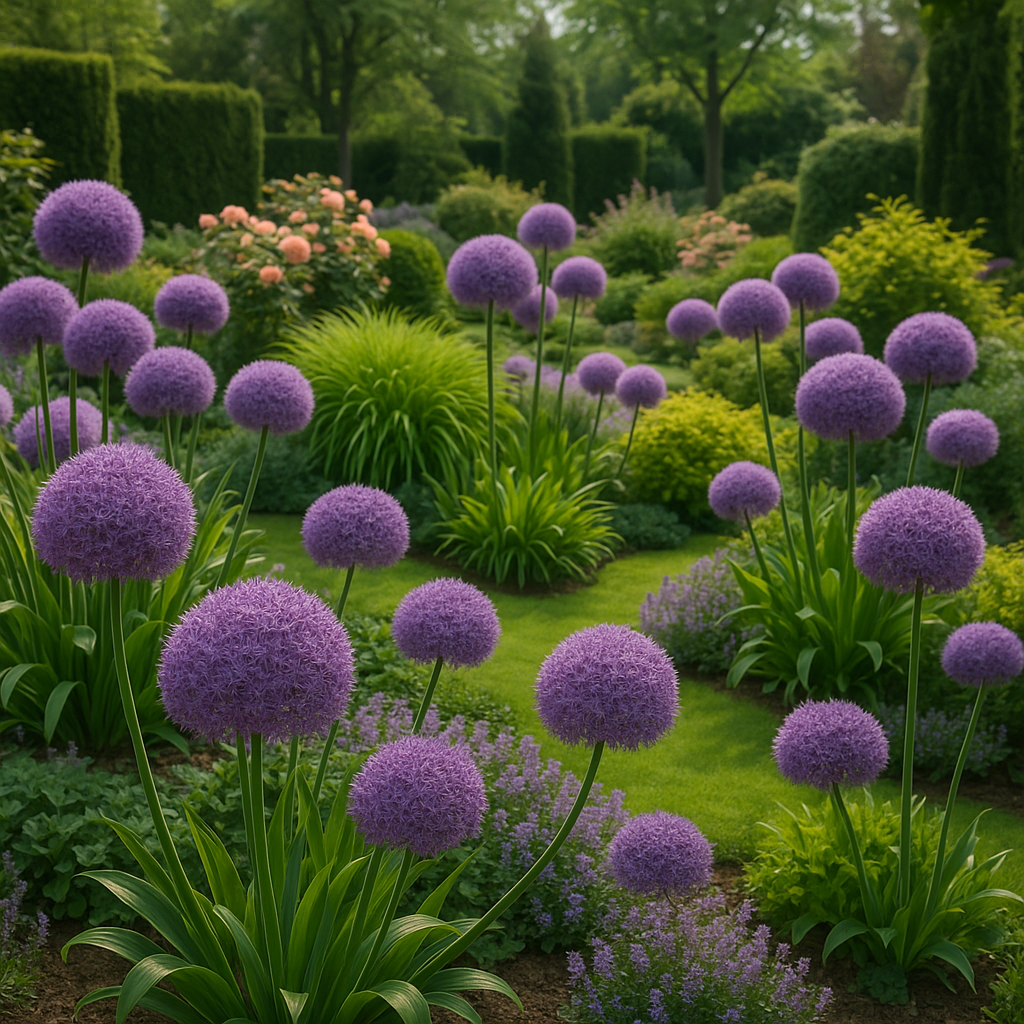
Creating a breathtaking garden is a pursuit that many horticultural enthusiasts cherish. Among the multitude of options available, alliums stand out as a captivating choice for garden design. With their bold, spherical blooms, alliums bring unique structural beauty, vibrant colors, and a sense of whimsy to any garden. This article aims to delve deeply into allium garden design, exploring their characteristics, benefits, care needs, and how to integrate them into various garden styles.
What Are Alliums?
Allium is a diverse genus of flowering plants in the onion family (Alliaceae). This genus includes not only the culinary onion and garlic but also a treasure trove of ornamental varieties. Known for their spectacular globe-like blooms and strong stems, alliums typically bloom in late spring to early summer, bringing color and texture to the garden.
Why Choose Alliums for Your Garden?
Before diving into the specifics of garden design with alliums, it’s essential to understand why they are a wise choice. Here are several compelling reasons:
-
Diversity of Varieties: Alliums come in various shapes and sizes, from the small, dainty Allium moly to the towering Allium giganteum. This variety allows for creative planting combinations.
-
Seasonal Interest: Alliums bloom at a time when many spring flowers begin to fade, providing a second wave of vibrancy in your garden.
-
Pollinator Friendly: Alliums attract bees, butterflies, and other pollinators, which helps promote biodiversity.
-
Drought Tolerance: Once established, most allium varieties are drought-tolerant, making them an eco-friendly choice.
-
Cut Flower Appeal: Allium flowers can be cut and used in arrangements, bringing beauty indoors too.
-
Long-Lasting: Unlike many other perennials, alliums tend to have a long life cycle, ensuring your investment in the garden pays off for years.
How Do I Select the Right Allium Varieties?
Choosing the right alliums is crucial to achieving a harmonious design in your garden. Here are a few popular varieties:
-
Allium giganteum: Known as the giant onion, it can reach heights of 4 feet, making it an excellent focal point. Its large, round purple blooms can reach 10 inches in diameter.
-
Allium hollandicum ‘Purple Sensation’: This striking variety features deep purple pom-poms on 2 to 3-foot stems, adding dramatic flair to mixed borders.
-
Allium moly: A shorter variety, only about 12-18 inches tall, with bright yellow flowers. It’s ideal for edging or naturalized areas.
-
Allium aflatunense: This variety boasts large, striking purple flowers and is perfect for large borders and mass plantings.
-
Allium tuberosum (Garlic Chives): These produce white flowers in clusters and can be used for culinary purposes.
When selecting alliums, consider your garden’s overall color palette, height variation, and seasonal bloom time for a balanced look.
How Do I Design an Allium Garden?
Designing an allium garden involves more than just planting bulbs. It requires thoughtful planning, taking into account aesthetics, companion plants, soil requirements, and sunlight exposure. Here’s a step-by-step guide to crafting a beautiful allium garden:
1. Choose the Right Location
Alliums thrive best in full sun, which means they require at least six hours of direct sunlight daily. The right location will not only ensure robust growth but also improve the health of the plants and the vibrancy of their flowers.
2. Understand Soil Requirements
Alliums prefer well-drained soil with good nutrients. Heavy clay soil can retain too much moisture, leading to bulb rot. A mixture of garden soil and compost can improve drainage and provide the necessary nutrients.
3. Plan Flower Arrangements
Explore color schemes, using contrasting or complementary colors to enhance the beauty of your alliums. For instance, pairing purple alliums with yellow perennial flowers can create a striking visual impact. Consider utilizing other late-spring and summer bloomers, such as:
- Peonies: Their rounded blooms provide a lush backdrop for allium flowers.
- Salvia: The vertical spikes of salvia can add height and texture next to alliums.
- Echinacea (Coneflower): These hardy perennials bloom later in the summer, providing sequential interest.
4. Planting Techniques
Allium bulbs are typically planted in the fall, a few inches deep (about three times their height). Space them 6 to 12 inches apart to allow them room to grow and expand. Additionally, it can be beneficial to group them in clusters for a more naturalistic look.
5. Incorporate Focal Points
Incorporate taller allium varieties, such as Allium giganteum, in back borders or as focal points amongst shorter plants. Conversely, shorter varieties like Allium moly can serve as ground cover or edging plants.
6. Design for Seasonal Transition
Consider how the garden will look throughout the seasons. Alliums bloom in late spring, so ensure there are other plants—like early-blooming tulips or mid-summer daisies—to carry colors before and after alliums take center stage.
7. Maintenance and Care
Alliums are relatively low-maintenance but require care to ensure they thrive:
- Watering: Keep the soil moist during the growing season, especially in the early spring.
- Fertilization: Use a slow-release fertilizer when planting bulbs. Once they start to grow, a balanced fertilizer can support their development.
- Gardening Practices: After blooming, allow the foliage to die back naturally, as it feeds the bulbs for next year’s blooms.
What Are the Best Companion Plants for Alliums?
Companion planting can enhance the beauty of an allium garden and promote healthy growth. Here are some excellent companion plants:
-
Rudbeckia (Black-Eyed Susan): These bright yellow flowers contrast beautifully with purple alliums.
-
Japanese Painted Fern: The delicate fern leaves can provide a lush background that sets off alliums wonderfully.
-
Achillea millefolium (Yarrow): These hardy perennials add texture and color variety, blooming at the same time as alliums.
-
Lavender: This fragrant herb complements the garlic chives, creating a sensory garden experience.
How Can I Incorporate Alliums into Various Garden Styles?
Alliums are versatile enough to fit into different garden styles. Here are some ideas:
1. Cottage Garden
In a cottage garden, alliums can be planted in a more random layout, mixed with a variety of other perennials, annuals, and vegetables. Emphasize softness by combining their bold shapes with floppier flowers like daisies or forget-me-nots.
2. Modern Minimalist Garden
For a modern or minimalist garden, group alliums in blocks for a clean, impactful statement. Use a monochromatic color palette and consider a background of low-maintenance grasses to add texture without distraction.
3. Formal Garden
In formal gardens, alliums can be integrated into structured borders or used in precise geometric patterns. Plant them alongside clipped hedges and other topiary to emphasize symmetry.
4. Wildlife Garden
An excellent addition to a wildlife garden, alliums can attract honeybees and butterflies. Plant in groups alongside other native perennials that foster ecosystems and attract beneficial pollinators.
What Are Common Issues in Allium Gardening?
While alliums are relatively hardy, they are not without challenges. Here are some common issues and their solutions:
-
Bulb Rot: This often occurs from overwatering or planting in heavy, poorly drained soil. Ensure adequate drainage and only water when necessary.
-
Pests: Alliums are generally pest-resistant. However, keep an eye out for aphids or onion flies. Neem oil can help manage these pests organically.
-
Fungal Diseases: Fungal issues may arise in overly moist conditions. Avoid overhead watering and ensure good air circulation by allowing adequate spacing between plants.
How Can Allium Gardens Contribute to Biodiversity?
Creating an allium garden supports local ecosystems in several ways:
-
Pollinator Habitat: Alliums attract a diversity of pollinators, including bees, butterflies, and even some birds, which contribute to garden pollination and biodiversity.
-
Natural Insect Control: A garden filled with diverse plant life encourages the presence of beneficial insects that naturally manage pest populations.
-
Soil Health: The root systems of alliums help in soil stabilization, reduced erosion, and overall health, fostering a balanced ecosystem.
Conclusion
Alliums offer an exciting opportunity for gardeners seeking to enhance their gardens’ beauty and biodiversity. With their broad range of colors, shapes, and heights, they work beautifully across various garden styles from whimsical cottage gardens to minimalist modern designs. By following the tips outlined in this article, you can successfully weave alliums into your landscape, ensuring spectacle and seasonal interest for years.
Final Thoughts
Remember that gardening is a journey, and every season brings new lessons and discoveries. Embrace the process as you create your allium-inspired oasis, and enjoy each bloom and the satisfaction of your hard work flourishing under the sun.
This article aims to provide a comprehensive overview of allium garden design, encouraging readers to consider incorporating these magnificent plants into their gardens to elevate them with beauty and ecological significance.