
Introduction
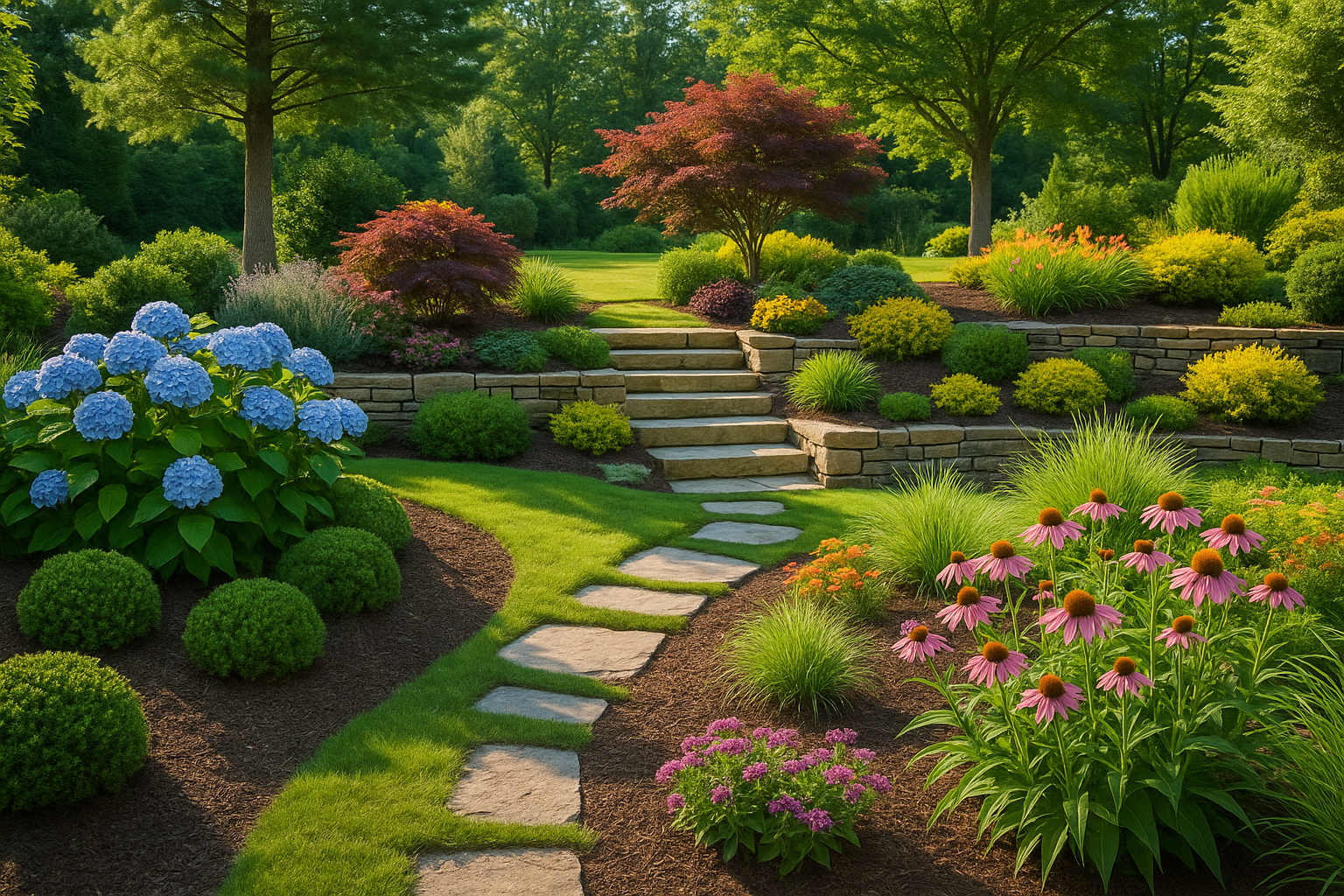
Landscaping is a fascinating blend of art and science that allows us to enhance the beauty and utility of our outdoor spaces. For those residing in Zone 7, which encompasses parts of the United States from the southern Appalachian foothills to the Pacific Northwest, this task takes on unique characteristics. With its temperate climate, diverse precipitation patterns, and specific flora compatible with the USDA Plant Hardiness Zone 7, the landscaping possibilities are abundant and varied. In this article, we will delve into landscaping ideas, plant recommendations, design concepts, maintenance tips, and answer some frequently asked questions to inspire your gardening endeavors in this specific climate zone.
Understanding Zone 7
What is Zone 7?
The USDA Plant Hardiness Zone Map is a valuable tool for gardeners and landscapers, designating regions based on their minimum winter temperatures. Zone 7 typically experiences winter lows ranging from 0°F to 10°F. The growing season here is approximately 210 to 240 days, offering ample opportunity for planting a wide range of flowers, shrubs, and trees.
What is the climate like in Zone 7?
Zone 7 enjoys a temperate climate characterized by four distinct seasons. Summers can be warm to hot, with average highs ranging from the mid-80s to low 90s Fahrenheit. Winters are relatively mild, allowing many plants to thrive. Sunglight is abundant, and rainfall is usually well distributed throughout the year, enhancing the growth potential of various plant species.
Landscaping Styles Suited for Zone 7
What landscaping styles work best in Zone 7?
Zone 7 offers a unique canvas for various landscaping styles. Here are a few ideas:
-
Cottage Gardens: This style emphasizes a natural, informal look with colorful flowers, herbs, and vegetables. Plants like coneflowers, black-eyed Susans, and foxgloves thrive here.
-
Formal Gardens: For those who appreciate symmetry and order, formal gardens featuring boxwood hedges, manicured lawns, and geometric patterns can be stunning. Jasmine and peonies can complement these landscapes beautifully.
-
Japanese Gardens: Incorporating water features, stone lanterns, and carefully selected plants like Japanese maples and azaleas, Japanese gardens promote serenity and mindfulness.
-
Contemporary Gardens: A modern take on landscaping can include clean lines, minimalist plantings, and artistic features such as sculptures or raised beds. Incorporate ornamental grasses and bold foliage plants for striking aesthetics.
Plant Recommendations for Zone 7
Choosing the right plants can make or break your landscape design. Here’s a detailed list of plants that thrive in Zone 7:
Trees
- Eastern Redbud (Cercis canadensis): Known for its stunning pink blooms in spring, this tree is a joy to behold.
- Sugar Maple (Acer saccharum): An excellent choice for maple syrup enthusiasts, it also offers vibrant fall color.
- Bald Cypress (Taxodium distichum): Adaptable to a variety of soil types, it provides unique texture in the landscape.
Shrubs
- Hydrangeas: With numerous varieties, hydrangeas offer lush blooms that can brighten any garden.
- Azaleas: Known for their vibrant spring colors, azaleas add a splash of life to any landscape.
- Boxwood: Perfect for creating hedges or topiaries, boxwoods encourage a classic design aesthetic.
Perennials
- Daylilies (Hemerocallis): These hardy perennials require minimal care, making them ideal for busy gardeners.
- Echinacea (Coneflower): A favorite among pollinators, echinacea blooms from summer to fall.
- Hostas: With their lush foliage, hostas thrive in shaded areas of your garden.
Annuals
- Petunias: These colorful blooms come in a wide range of shades, ideal for boosting visual appeal throughout the summer.
- Marigolds: Not only do they brighten up any landscape, but marigolds also help deter pests.
- Sunflowers: Their towering presence creates an eye-catching display and contributes to a natural, rustic feel.
Design Concepts in Zone 7 Landscaping
What are some popular design concepts for landscaping in Zone 7?
Taking inspiration from the natural beauty of the region, here are several design concepts tailored for Zone 7:
1. Color Schemes
A well-thought-out color scheme can drastically enhance your landscape’s appeal. Consider using a palette of complementary colors for flowers. For example, contrasting warm colors like yellows and reds with cooler colors like blues and purples can create a vibrant atmosphere.
2. Layering Plants
Creating layers, from tall trees to low-growing ground covers, adds depth and visual interest. For instance, plant tall ornamental grasses in the back, medium-sized shrubs in the middle, and perennials in the front for a balanced look.
3. Water Features
Incorporating a pond or fountain can lend an air of tranquility to your garden. Consider adding water-loving plants like cattails or irises to enhance the ecosystem.
4. Pathways and Focal Points
Designing clear pathways made of stones, gravel, or wood not only makes navigation easier but also draws the eye to focal points like a birdbath or sculpture. Adding various textures helps to add contrast and interest.
Sustainable Landscaping Practices
How can I make my Zone 7 landscape more sustainable?
Sustainability is an essential aspect of modern landscaping. Here are some practices you can adopt:
-
Native Plants: Choose indigenous plants that are already adapted to the local climate and soil conditions. This reduces the need for fertilizers and pesticides.
-
Rain Gardens: Create a rain garden to help manage stormwater runoff. Select water-tolerant plants that thrive in wet conditions.
-
Composting: Use kitchen scraps and yard waste to create nutrient-rich compost, reducing waste and enriching your soil.
-
Mulching: Apply organic mulch to your flower beds. It suppresses weeds, conserves moisture, and adds organic matter to the soil as it breaks down.
-
Irrigation: Opt for drip irrigation systems to provide water directly to the roots, minimizing evaporation and runoff.
Seasonal Considerations
What should I keep in mind during different seasons in Zone 7?
Each season presents its own set of challenges and opportunities for landscaping in Zone 7:
Spring
- Planting: This is an ideal time to plant trees, shrubs, and perennials. Pay attention to the last frost date to avoid damage.
- Weeding: With the warm weather, weeds will start to emerge. Regularly remove them to ensure healthy growth.
Summer
- Watering: As temperatures rise, ensure your plants get adequate water, especially those newly planted.
- Deadheading: Encourage continuous blooming by deadheading spent flowers regularly.
Fall
- Planting Bulbs: The fall is an excellent time to plant spring-flowering bulbs like tulips and daffodils.
- Cleanup: Rake fallen leaves and clean up garden beds to prevent diseases.
Winter
- Protection: Mulching and covering sensitive plants can help protect them from winter’s cold.
- Planning: Use this snowy time to plan your garden for the coming seasons, considering new designs, plants, or features.
Frequently Asked Questions
1. What are the best ground covers for Zone 7?
Ground covers like creeping thyme, sedum, and ajuga are excellent choices. They provide low maintenance while serving as natural weed suppressors.
2. How can I attract pollinators to my garden?
Plant a diverse range of nectar and pollen-rich flowers. Native plants like purple coneflower and bee balm are particularly effective.
3. Can I grow vegetables in Zone 7?
Absolutely! Zone 7 is excellent for a variety of vegetables, such as tomatoes, peppers, squash, and kale. Plant in early spring for optimal yields.
4. What should I do if I have clay soil?
Clay soil can be improved by amending it with organic matter like compost. Raised beds can also be a solution to overcome drainage issues.
5. How can I make my landscape more child-friendly?
Incorporate playful elements like a small play structure, a sand box, or even a treehouse. Use soft landscaping materials and create paths that are suitable for little feet.
Conclusion
Zone 7 offers a wonderful opportunity for creativity and expression in landscaping. The diverse range of plants that thrive in this climate—combined with thoughtful design concepts and sustainable practices—can transform any outdoor space into a beautiful and functional environment. Whether you are a novice gardener looking to plant your first seeds or an experienced landscaper planning a major makeover, the insights offered here provide a solid foundation for engaging with the natural beauty surrounding you. Dive into the art and science of landscaping; with a little effort, you can create a stunning, sustainable outdoor living space that enhances your lifestyle and connects you with nature.