
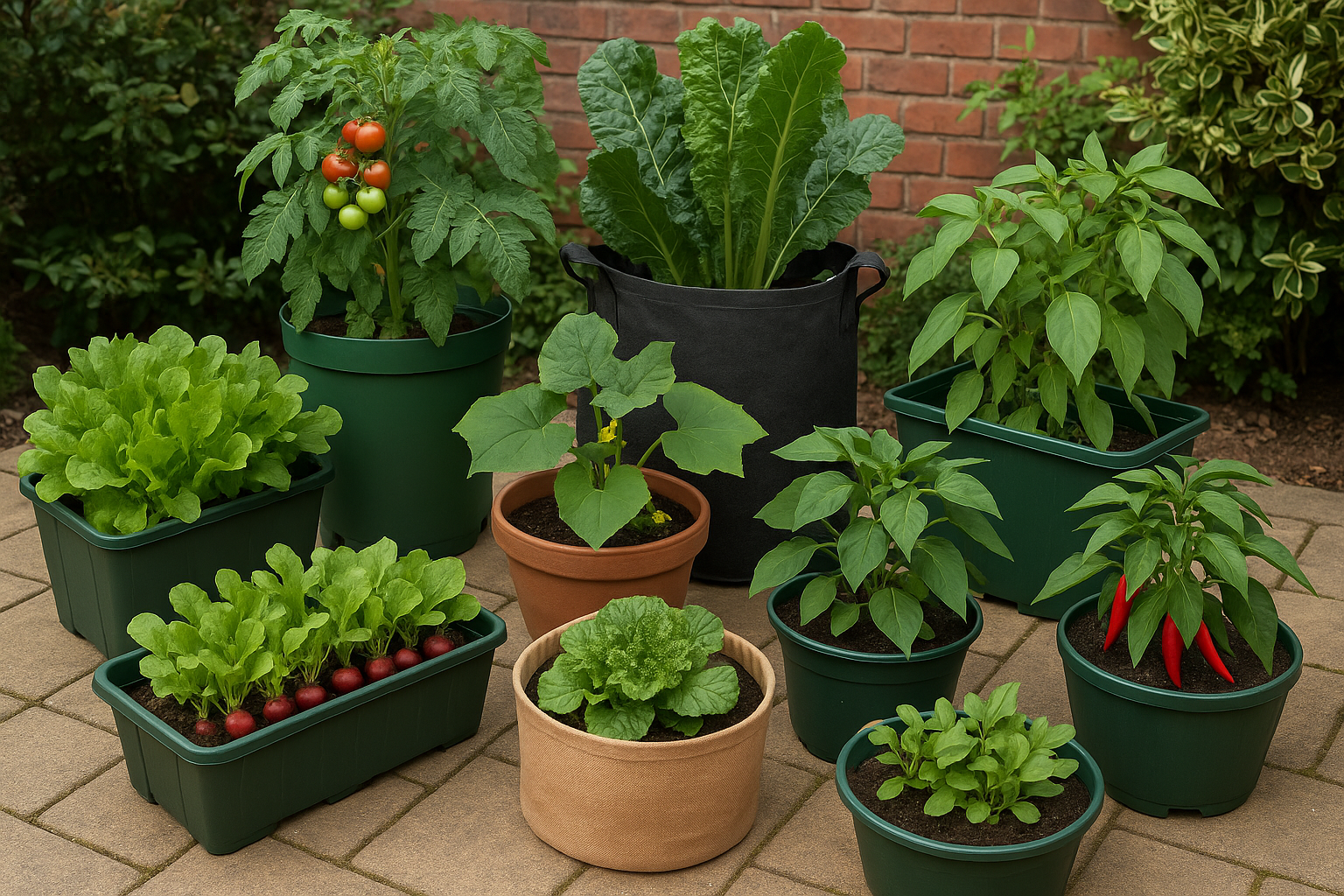
As urbanization continues to rise, green spaces are becoming increasingly scarce. But the good news is that you don’t need a sprawling backyard to cultivate your own vegetables. Vegetable patio planters are the perfect solution for city dwellers and apartment residents who want to grow their own food in small spaces. In this in-depth guide, we will explore everything you need to know about vegetable patio planters, answer common questions, and provide tips to ensure your container garden thrives.
Table of Contents
- What Are Vegetable Patio Planters?
- Why Choose Vegetable Patio Planters?
- Types of Vegetable Patio Planters
- Wooden Planters
- Plastic Containers
- Metal Containers
- Fabric Grow Bags
- Choosing the Right Location
- What Vegetables Can You Grow?
- Soil and Fertilization
- Watering Techniques
- Pest Control in Container Gardens
- Companion Planting
- Seasonal Considerations
- FAQs
- What size planters do I need?
- How often should I water my plants?
- Can I grow herbs in my vegetable patio planters?
- What are the best vegetables for beginners?
- How do I deal with pests organically?
- Conclusion
1. What Are Vegetable Patio Planters?
Vegetable patio planters are specially designed containers that allow you to grow a variety of vegetables right on your patio, balcony, or even a small garden nook. These planters can come in multiple shapes and sizes and can be made from different materials, making them adaptable to any space constraint. They offer an excellent opportunity for urban and suburban dwellers to enjoy the satisfaction of growing their own food.
2. Why Choose Vegetable Patio Planters?
Space Efficient
One of the most significant advantages of vegetable patio planters is their space efficiency. Unlike traditional gardens, which require significant ground area, patio planters fit comfortably in small spaces. Even a spacious balcony can accommodate a variety of planters.
Accessibility
Vegetable patio planters are often raised or positioned at a height that minimizes bending and stooping, making them accessible for individuals of all ages and physical capabilities. This inclusivity allows everyone to participate in gardening, regardless of physical limitations.
Control Over Environment
Container gardening enables you to have greater control over the growing conditions. You can easily monitor soil moisture, improve drainage, and control the amount of sunlight your plants receive.
Aesthetic Appeal
Vegetable patio planters can enhance the visual appeal of your outdoor space. With a variety of colors, shapes, and designs, they can become a beautiful feature of your home while serving a practical purpose.
Pest Management
Growing vegetables in containers can reduce the risk of pest infestation. The controlled environment means you can manage your plants closely while minimizing the likelihood of pests that are often a problem in traditional gardens.
3. Types of Vegetable Patio Planters
When it comes to vegetable patio planters, there is no shortage of options. Let’s explore some of the most popular types:
Wooden Planters
Pros:
- Aesthetically pleasing and blend well with outdoor environments.
- Environmentally friendly if sourced sustainably.
Cons:
- Can decay over time if not treated.
- May require more care to prevent pest infestations.
Plastic Containers
Pros:
- Lightweight and easy to move around.
- Available in various colors and designs.
Cons:
- May not offer the same insulation properties as other materials.
- Can break or become brittle over time, especially in extreme temperatures.
Metal Containers
Pros:
- Durable and long-lasting.
- A modern aesthetic that can look sleek in various settings.
Cons:
- Can retain heat, which might harm the roots in very hot weather.
- May rust over time if not properly maintained.
Fabric Grow Bags
Pros:
- Excellent drainage and air circulation, promoting healthier root systems.
- Lightweight and foldable for easy storage.
Cons:
- Might dry out faster than traditional pots, so they require more frequent watering.
- Can be less visually appealing than other materials.
4. Choosing the Right Location
Selecting the right location for your vegetable patio planters is crucial for optimal growth. Here are some important considerations:
Sunlight
Most vegetables require at least 6 to 8 hours of sunlight daily. Observe your patio or balcony to identify spots that receive adequate sunlight throughout the day.
Wind Exposure
Be cautious about wind exposure, as strong winds can damage your plants. Consider placing your planters in a sheltered position or using windbreaks to protect them.
Accessibility
Make sure that your planters are placed in a location that is easily accessible for watering and maintenance.
5. What Vegetables Can You Grow?
The versatility of vegetable patio planters allows you to grow a variety of vegetables. Here are some popular options:
- Lettuce and Greens: Easy to grow and thrive in smaller containers.
- Tomatoes: Ideal for pots, especially determinate varieties.
- Radishes: Quick-growing root vegetables that require little space.
- Peppers: Both sweet and hot varieties perform well in containers.
- Herbs: Basil, cilantro, and chives flourish in planters.
6. Soil and Fertilization
Choosing the Right Soil Mix
A high-quality potting mix is crucial for container gardening. It should provide good drainage, aeration, and nutrients to your plants. Avoid using garden soil, as it can become compacted and lead to poor plant growth.
Fertilization
Since container plants are limited in soil volume, they need regular feeding with a balanced fertilizer. You can use slow-release fertilizers or liquid fertilizers every few weeks to ensure adequate nutrients.
7. Watering Techniques
Proper watering is vital for container plants, as they can dry out quickly. Here are some tips:
Check Soil Moisture
Before watering, check the soil moisture level by sticking your finger an inch deep into the soil. If it’s dry, it’s time to water.
Deep Watering
Instead of frequent, shallow watering, give your plants a good soaking at the base. This encourages deeper root growth.
Draining
It’s essential to ensure that your pots have drainage holes to prevent waterlogging, which can lead to root rot.
8. Pest Control in Container Gardens
Even with the advantages of container gardening, pests may still pose a threat. Here are some organic methods to keep them at bay:
Physical Barriers
Use row covers or mesh to deter pests while still allowing sunlight and moisture to reach your plants.
Natural Repellents
Spray your plants with a mixture of water and mild soap or neem oil. These solutions can help keep pests away without harming beneficial insects.
Encourage Beneficial Insects
Ladybugs and lacewings can help control pest populations. You can attract these beneficial insects by planting flowers nearby.
9. Companion Planting
Companion planting is the practice of placing certain plants together to enhance growth and deter pests. Here are some ideal companions for your vegetable patio planters:
- Tomatoes and Basil: The herb repels pests while improving tomato flavor.
- Carrots and Onions: They naturally deter each other’s pests.
- Lettuce and Radishes: Fast-growing radishes can help break up soil for slower-growing lettuce.
10. Seasonal Considerations
Understanding seasonal changes is vital for successful vegetable gardening. Different vegetables thrive in different seasons:
- Spring: Start planting cool-season crops like peas, spinach, and lettuce.
- Summer: Transition to heat-loving plants like tomatoes, peppers, and cucumbers.
- Fall: Cool-season vegetables like kale, brussels sprouts, and carrots can be sown for a late harvest.
11. FAQs
What size planters do I need?
Generally, the planter size depends on what you’re planting:
- Small herbs can thrive in 6 to 10 inches of soil depth.
- Larger plants like tomatoes require 5 gallons (approximately 20 inches wide) or more.
How often should I water my plants?
Frequency varies but generally, check moisture levels daily. Containers tend to dry out faster, especially in warm weather. Water thoroughly when needed.
Can I grow herbs in my vegetable patio planters?
Absolutely! Herbs like basil, parsley, and thyme thrive in patio containers and often require the same care as other vegetables.
What are the best vegetables for beginners?
Lettuce, radishes, and herbs are excellent choices for beginners. They germinate quickly and are relatively easy to care for.
How do I deal with pests organically?
Use a combination of physical barriers, natural repellents, and encourage beneficial insects to manage pests without harmful chemicals.
12. Conclusion
Vegetable patio planters are an incredible solution for anyone looking to grow their own produce in limited spaces. Not only do they offer numerous benefits, such as space efficiency and pest management, they also make gardening accessible for individuals of all ages and physical abilities. With the right knowledge and practices, your vegetable patio planters can thrive, enriching your life and your meals with fresh, home-grown goodness.
Incorporating vegetable patio planters into your living space allows you to cultivate a deeper relationship with your food and the environment. Whether you’re a seasoned gardener or just starting, growing your own vegetables offers a rewarding experience, transforming your patio into a vibrant oasis of health and sustainability.