
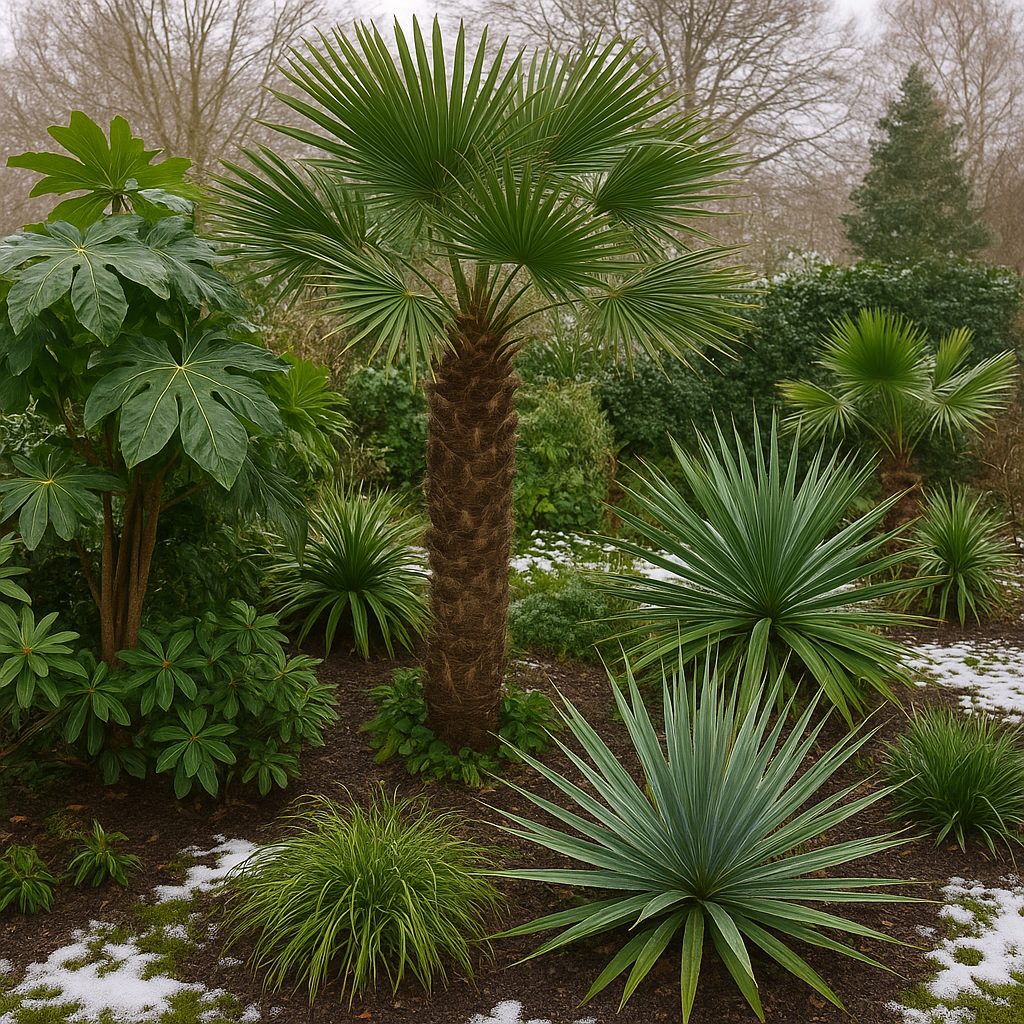
When one thinks of tropical plants, vivid images of lush jungles, vibrant blooms, and lush greenery come to mind. However, for those residing in cold climates, the dream of cultivating a tropical paradise in their own backyard can often seem elusive. The good news is that with innovative gardening techniques and the right plant choices, anyone can recreate a tropical oasis, even in frigid temperatures. Let’s delve into the fascinating world of tropical-looking plants that thrive in cold climates, exploring their characteristics, care requirements, and ways you can incorporate them into your landscape or home.
Understanding Tropical Plants
What Defines a Tropical Plant?
Tropical plants are typically characterized by their origins in warm, humid climates near the equator. They are often lush, with broad leaves, bold colors, and a wide range of textures. Common examples include palms, ferns, and vibrant flowering plants like hibiscus and cannas.
Can Tropical Plants Survive in Cold Climates?
While many tropical plants cannot withstand frost, several species have adapted to endure cooler temperatures. Cold climate gardeners can successfully cultivate these species by selecting the right varieties and employing proper gardening techniques.
What Are Hardy Tropical-Looking Plants?
Hardy tropical-looking plants are those that can survive in climates with cold winters. Many of these plants can tolerate frost, and some can even thrive in USDA Zones 3-7. Not only do these plants bring a tropical flair to your garden, but their endurance also makes them suitable for colder regions.
Tropical Plants for Cold Climates
1. Hardy Bananas (Musa basjoo)
Description
The hardy banana is a remarkable plant known for its large, paddle-like leaves that can reach up to 6 feet in length. Despite its tropical appearance, it is surprisingly hardy and can survive winter temperatures down to -10°F (-23°C).
Planting Tips
- Location: Choose a sunny spot with well-drained soil. Allow for space as these plants can grow quite tall.
- Winter Care: Mulch around the base of the plant to protect the roots during the winter months. Before the frost, cut back the leaves and wrap the stalk in burlap for added protection.
Landscape Use
These plants work beautifully as focal points in tropical-themed gardens or as dramatic backdrops for smaller flowering plants.
2. Japanese Maple (Acer palmatum)
Description
While not a typical tropical plant, certain varieties of Japanese maples exhibit stunning foliage that mimics the vibrant colors found in tropical gardens. Their leaves can be deep burgundy, bright green, or variegated, imbuing any landscape with exotic charm.
Planting Tips
- Location: They prefer partial shade to full sun and well-drained, acidic soil.
- Winter Care: These trees are relatively hardy, but in colder zones, consider planting them in sheltered spots to protect against harsh winds.
Landscape Use
Japanese maples add a lush feel to gardens, and their unique shapes can provide stunning silhouettes against winter landscapes.
3. Canna Lilies (Canna indica)
Description
Canna lilies are known for their vibrant flowers and large, tropical-looking leaves. Many varieties can thrive in cold climates, and their colorful blooms can be enjoyed throughout the summer.
Planting Tips
- Location: Plant in full sun for best flowering. They prefer moist, well-drained soil.
- Winter Care: In colder areas, dig up the rhizomes after the first frost and store them in a cool, dry place until spring.
Landscape Use
Canna lilies add a bold splash of color to mixed borders, patios, or pool areas, mimicking the classic tropical look.
4. Fatsia Japonica (Japanese Aralia)
Description
Fatsia japonica features glossy, palmate leaves that can create an instant jungle feel. It’s a robust plant that can withstand cold temperatures and is known for its ability to adapt to various soil types.
Planting Tips
- Location: This plant thrives in partial shade but can also adapt to full sun in cooler climates. It prefers consistently moist but well-drained soil.
- Winter Care: Fatsia is resilient but may need protection in the harshest winter months. A layer of mulch around the base can help maintain warmth.
Landscape Use
Fatsia works well in shaded areas, garden corners, or as part of a mixed shrub border that highlights its unique foliage.
5. Tatarian Aster (Aster tataricus)
Description
With broad leaves and purple blooms, Tatarian aster resembles a tropical plant with its lush appearance. This perennial is well-suited to cold climates, providing a burst of color in late summer to early fall.
Planting Tips
- Location: Ideal in sunny to partially shaded areas. It can tolerate various soil types but prefers rich, moist soils.
- Winter Care: A thick layer of mulch can protect the roots during winter.
Landscape Use
Use Tatarian aster in flower beds or as a ground cover with other perennials to create a vibrant, colorful display.
Creating a Tropical Oasis in Your Garden
How Do I Design a Tropical Garden in a Cold Climate?
Transforming your outdoor space into a tropical oasis in a cold climate requires a thoughtful approach. Here are several strategies:
-
Layering Plants for Effect: Use taller plants like hardy bananas and tree ferns as focal points, and surround them with flowers like canna lilies, Tatarian asters, and colorful annuals.
-
Color Palette: Choose a vibrant color palette using plants with bold foliage, contrasting colors, and shapes that evoke tropical environments.
-
Water Features: Integrate a small pond or fountain, which can enhance the tropical vibe and aid in maintaining humidity around your plants.
-
Decorative Elements: Incorporate decorative stones, paths, and sculptural accessories that conjure images of tropical locales. This can further enhance the overall aesthetic.
-
Indoor Tropical Decor: Consider creating an indoor garden with tropical houseplants. Varieties such as peace lilies, pothos, and philodendrons can bring a lush feel to your indoor spaces.
How Do I Care for Tropical Plants in Cold Climates?
-
Soil Requirements: Ensure you have well-drained, nutrient-rich soil. Consider adding organic matter or mulch to assist moisture retention and nutrient availability.
-
Watering Needs: Tropical plants tend to require consistent moisture, especially during the growing season. Be cautious not to over-water, as this can lead to root rot.
-
Sunlight: Most tropical plants prefer bright, indirect sunlight. Evaluate your space to determine if your plants are receiving adequate light or if supplemental lighting is necessary.
-
Fertilization: Regular feeding during the growing season can promote vibrant foliage and blooms. Use a balanced fertilizer, following the manufacturer’s recommendations for frequency and dosage.
What Unique Advantages Do Hardy Tropical Plants Offer?
-
Visual Impact: One of the primary advantages is the dramatic visual appeal these plants bring. They can transform drab landscapes into vibrant tropical escapes.
-
Unconventional Aesthetic: Hardy tropical looking plants allow gardeners to deviate from the traditional cold-climate aesthetics, providing a unique conversation piece.
-
Biodiversity Enhanced: Introducing these hardy species promotes biodiversity in the garden, attracting varied wildlife including pollinators and birds.
Indoor Tropical Plants for Cold Climates
Creating a warm oasis doesn’t have to be limited to your garden. Many tropical-looking plants thrive indoors, making them a perfect addition for those living in colder climates.
1. Bird of Paradise (Strelitzia reginae)
Description
With its striking leaves and vibrant orange and blue flowers, the Bird of Paradise embodies the essence of the tropics. While it prefers warmer environments, it can still thrive indoors in colder climates with proper care.
Caring for Indoor Plants
- Lighting: Place near a south-facing window for optimum light.
- Watering: Keep the soil consistently moist but not soggy. Ensure proper drainage to avoid root rot.
2. Rubber Plant (Ficus elastica)
Description
The Rubber Plant is known for its glossy, broad leaves that can mimic a tropical vibe. Its resilience makes it an excellent option for indoor spaces.
Caring for Indoor Plants
- Lighting: Prefers bright, indirect light but can tolerate low-light conditions.
- Watering: Allow the top layer of soil to dry out before watering.
3. Philodendron
Description
Philodendrons are available in diverse varieties, showcasing heart-shaped foliage or large, split leaves reminiscent of tropical giants.
Caring for Indoor Plants
- Lighting: They thrive in bright, indirect light but can adapt to lower light levels.
- Watering: Keep the soil consistently moist, allowing the top inch to dry out between watering.
Frequently Asked Questions
What Do I Need to Know Before Planting Tropical Plants in Cold Climates?
- Research Hardiness Zones: Know your growing zone to select appropriate varieties.
- Site Evaluation: Evaluate your garden for factors like sunlight exposure, wind protection, and drainage.
- Soil Preparation: Amend soil to improve drainage and organic content.
Can I Use Greenhouses to Grow Tropical Plants?
Yes! A greenhouse can create a controlled environment suitable for growing tropical plants year-round. This allows for temperature and humidity regulation that many tropical species prefer.
Are There Any Pests or Diseases Specific to Tropical Plants?
Tropical plants may encounter pests like aphids, spider mites, or fungus gnats. Regular monitoring and implementing integrated pest management strategies will help keep these nuisances at bay.
How Can I Ensure the Longevity of My Tropical Plants?
- Regularly inspect your plants for pests.
- Properly water and fertilize them during the growing season.
- Provide the necessary winter protection, whether that means bringing them indoors or using other protective measures.
Conclusion
Embracing a tropical aesthetic in cold climates is not just about gardening; it’s about creating a lifestyle that celebrates lushness, color, and vitality. Through thoughtful selection and care of hardy tropical-looking plants, coupled with creative design strategies, anyone can cultivate their very own jungle oasis. As seasons change and temperatures shift, transformation is possible with these resilient, beautiful plants that bridge the gap between tropical allure and cold-climate resilience. Whether you’re enhancing your outdoor space or crafting an indoor paradise, the opportunity to bring a bit of the tropics home is ever within reach. Expand your gardening horizons and let nature’s vibrant palette flourish in the cold.