
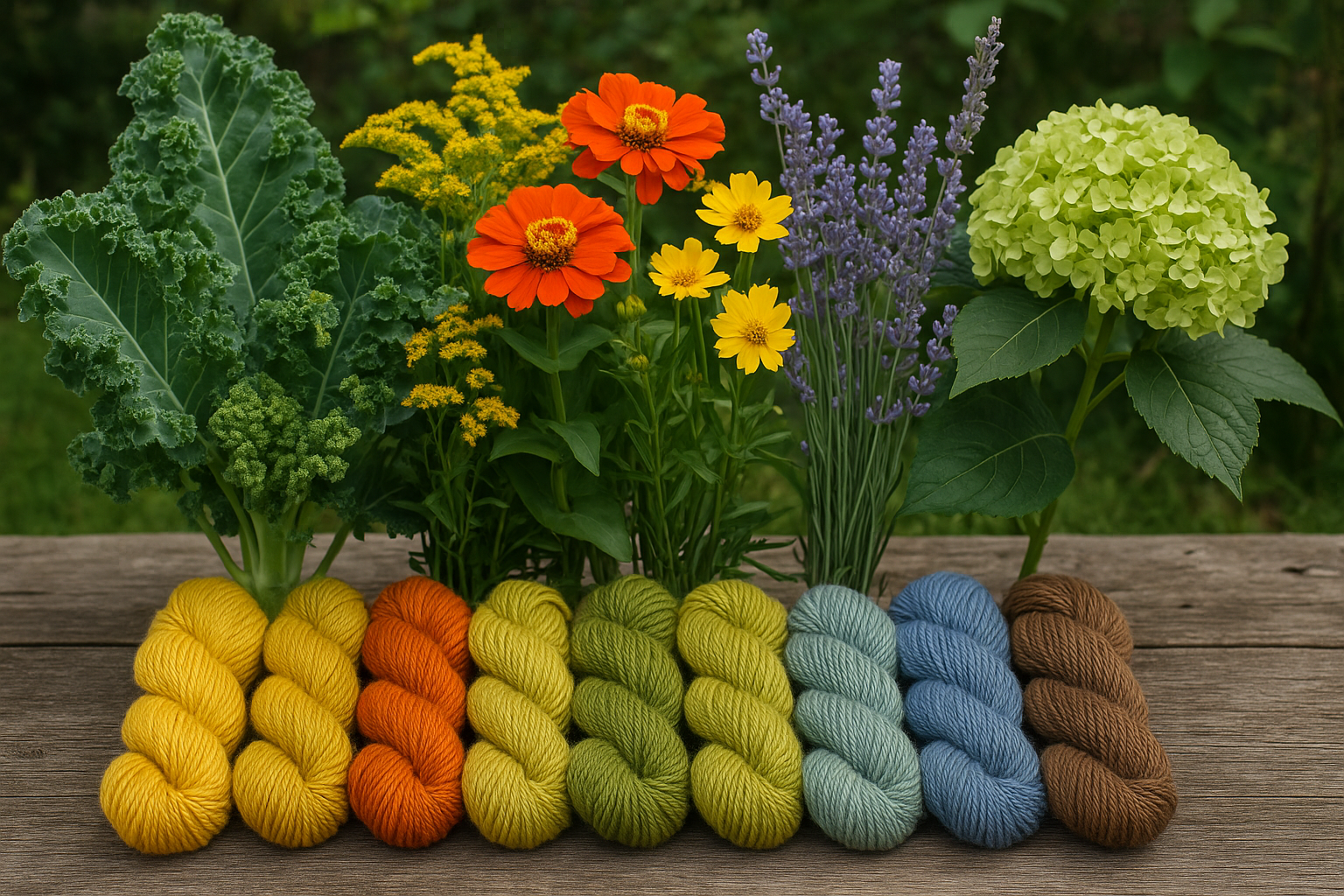
In a time when consumers are increasingly drawn to natural products and sustainable practices, the use of household yard and garden dye plants has surged in popularity. From linens and yarns to Easter eggs and art projects, the vibrant shades of these plants offer not only stunning colors but also a unique connection to nature. This article will delve deeply into common household yard and garden dye plants, exploring their histories, uses, and how to cultivate them for your own dyeing projects.
What Are Natural Dyes?
Natural dyes are colorants derived from plant, animal, or mineral sources that have been used for centuries to impart color to textiles, food items, and crafts. They differ from synthetic dyes, which are chemical-based and can often involve environmentally damaging processes. The allure of natural dyes lies in their individuality; each plant yields a distinct shade, and the resultant colors can vary due to factors such as soil type, climate, and even time of harvest.
The Benefits of Using Natural Dyes
- Eco-Friendly: Natural dyes are biodegradable and often do not require harmful chemicals for their application.
- Unique Colors: Each batch can yield different shades based on various environmental factors.
- Historical Connection: Many natural dye plants have been used through generations, connecting us to our ancestors’ crafting practices.
- Health Benefits: Many plant-based dyes are less likely to irritate skin, making them suitable for textiles.
Key Household Yard Dye Plants
Some common household plants that can be used for dyeing include:
- Marigolds (Tagetes spp.)
- Black Walnuts (Juglans nigra)
- Onion Skins (Allium cepa)
- Avocado Pits and Skins (Persea americana)
- Beets (Beta vulgaris)
- Hibiscus (Hibiscus sabdariffa)
- Dandelions (Taraxacum officinale)
- Pomegranate (Punica granatum)
- Turmeric (Curcuma longa)
Marigolds
Overview
Marigolds are not only stunning additions to gardens but also fantastic dye plants. These vibrant flowers can produce shades of yellow and orange.
Cultivation Tips
Marigolds are easy to grow from seeds and thrive in full sun. They are drought-resistant and can be cultivated in various soil types. A tip for maximizing dye production is to harvest the flowers just as they start to open for the best color extraction.
Dyeing Process
To create a dye using marigolds, the petals can be boiled in water for about 30 minutes. The resulting liquid can be used directly for fabric dyeing or can be combined with a mordant like alum to fix the color.
Black Walnuts
Overview
The hulls of black walnuts are a traditional source of deep brown dye that can also produce dark green shades with the appropriate mordants.
Cultivation Tips
Black walnut trees are large and take years to mature, but the hulls are typically harvested in the fall when the nuts ripen. Always wear gloves when handling walnut hulls, as they can stain skin and clothing.
Dyeing Process
Black walnut hulls can be crushed and simmered in water for at least one hour. Strain the mixture and add your pre-mordanted fabric. This dye is known for its permanence, making it a fantastic choice for those seeking enduring color.
Onion Skins
Overview
Onion skins are not just kitchen waste; they are a rich source of color! Ranging from pale yellow to deep orange or even reddish shades, onion skins are an accessible option for anyone interested in natural dyeing.
Cultivation Tips
While garden onions are easily grown, collecting skins from leftover onion scraps is sufficient for dyeing purposes.
Dyeing Process
Collect the dried outer skins and boil them in water for about an hour. The more skins used, the richer the color. The fabric can be simmered in this dye bath for longer to achieve deeper hues.
Avocado Pits and Skins
Overview
Surprisingly, the often-discarded pits and skins of avocados yield a soft pink to peach color, making this plant a wonderful resource for those interested in dyeing pastels.
Cultivation Tips
Homegrown avocados can yield a treasure trove for dyeing. They thrive in well-drained soil and need consistent watering.
Dyeing Process
To extract color, the pits and skins must be boiled in water. The dye can be applied directly or left to cool and steep for richer pigments. The resultant fabric often retains an earthy, warm tone.
Beets
Overview
This vibrant vegetable produces a stunning red to fuchsia dye, perfect for spring palettes.
Cultivation Tips
Grow beets in rich, well-draining soil and ample sunlight. Regular watering will keep the plants robust and can aid in dye development.
Dyeing Process
Boil the chopped beets in water to release their juices. Fabric can then be soaked in this juice for hours or even days, depending on the desired intensity of color.
Hibiscus
Overview
Hibiscus flowers are known for their bright colors and are also excellent for dyeing fabrics with beautiful reds and purples.
Cultivation Tips
Hibiscus thrives in full sun and moist, well-draining soil. They are typically drought tolerant once established, making them a low-maintenance option for dyeing.
Dyeing Process
Dried hibiscus flowers can be boiled in water to extract color. The process is similar to tea-making, and the resulting solution creates a stunning hue perfect for summer crafts.
Dandelions
Overview
Often dismissed as weeds, dandelions can produce a surprisingly vibrant yellow dye.
Cultivation Tips
Dandelions are readily available in many yards and gardens. They flourish in a range of conditions, making them an easy pick.
Dyeing Process
The yellow flower heads can be harvested and steeped in water, producing a lovely yellow dye, perfect for lightweight fabrics or Easter eggs.
Pomegranate
Overview
Pomegranate husks can create a rich, warm brown to deep orange dye, which is particularly popular in the Middle Eastern textile markets.
Cultivation Tips
Pomegranate trees thrive in hot dry climates and can be cultivated easily in pots if space is limited.
Dyeing Process
The dried husks should be simmered in water for color extraction. A deep, warm dye will emerge that can be used for intricate patterns and designs.
Turmeric
Overview
Turmeric is widely celebrated for its health benefits and vibrant golden-yellow hue. This spice is not just for cooking; it can yield one of the brightest natural dyes available.
Cultivation Tips
Turmeric can be grown in pots or garden beds in climates with moderate to warm temperatures. A good preparation of soil rich in organic matter will yield the best results.
Dyeing Process
Curry powder or fresh turmeric can be boiled in water to create a dye bath. Be cautious, as turmeric’s pigments are notoriously difficult to wash out; it will stain almost anything it touches, so it’s wise to protect surfaces.
Frequently Asked Questions
Q: How Long Does Natural Dye Last?
A: Natural dyes can vary in longevity depending on the mordant used, washing practices, and exposure to sunlight. Fabrics dyed with certain natural dyes can maintain vibrancy for several years, while others may fade more quickly. It’s advisable to wash dyed fabrics in cold water and avoid exposure to prolonged sunlight for better durability.
Q: Can I Use Any Plant to Dye?
A: Not every plant is a good candidate for dyeing. Plants known for their potent pigments and historical uses in dyeing are generally the best. Some examples include the ones listed previously. Additionally, always research specific plants to avoid toxic species.
Q: Do I Need to Prepare My Fabric Before Dyeing?
A: Yes, pre-mordanting your fabric is an important step in the dyeing process. It helps the fabric to better absorb the dye and increases colorfastness. Common mordants include alum, iron, and cream of tartar—each offering different results.
Q: Is Natural Dyeing Safe?
A: Natural dyeing is generally safe, especially when using food plants and garden herbs. However, always do your research to avoid potentially harmful plants. Additionally, handle all processes with care, especially when boiling.
Q: How Do I Store My Natural Dyes?
A: Natural dyes can be stored in sealed jars in a cool, dark place for short-term use. For long-term usage, you could dry the plant material and keep it in an airtight container until you’re ready to dye.
Q: Can I Mix Dyes from Different Plants?
A: Absolutely! One of the exciting things about natural dyeing is mixing colors to achieve various shades. For instance, mixing marigold yellow with beet red can create warm oranges. Experimentation is key!
Conclusion
Natural dyeing offers a captivating and eco-friendly alternative to synthetic dyes, bringing the beauty of nature directly into our crafting spaces. The plants discussed—marigolds, black walnuts, onion skins, avocado pits, beets, hibiscus, dandelions, pomegranate, and turmeric—are only a few of the many options available in the common household garden.
By immersing yourself in the process of dyeing with these plants, not only do you create stunning colors and textiles, but you also reconnect with a timeless tradition—bridging our lives with nature and craftsmanship. As you explore the varied hues, you’ll find joy in every shade, stitch, and pattern, capturing a piece of the natural world within each crafted item. Happy dyeing!