
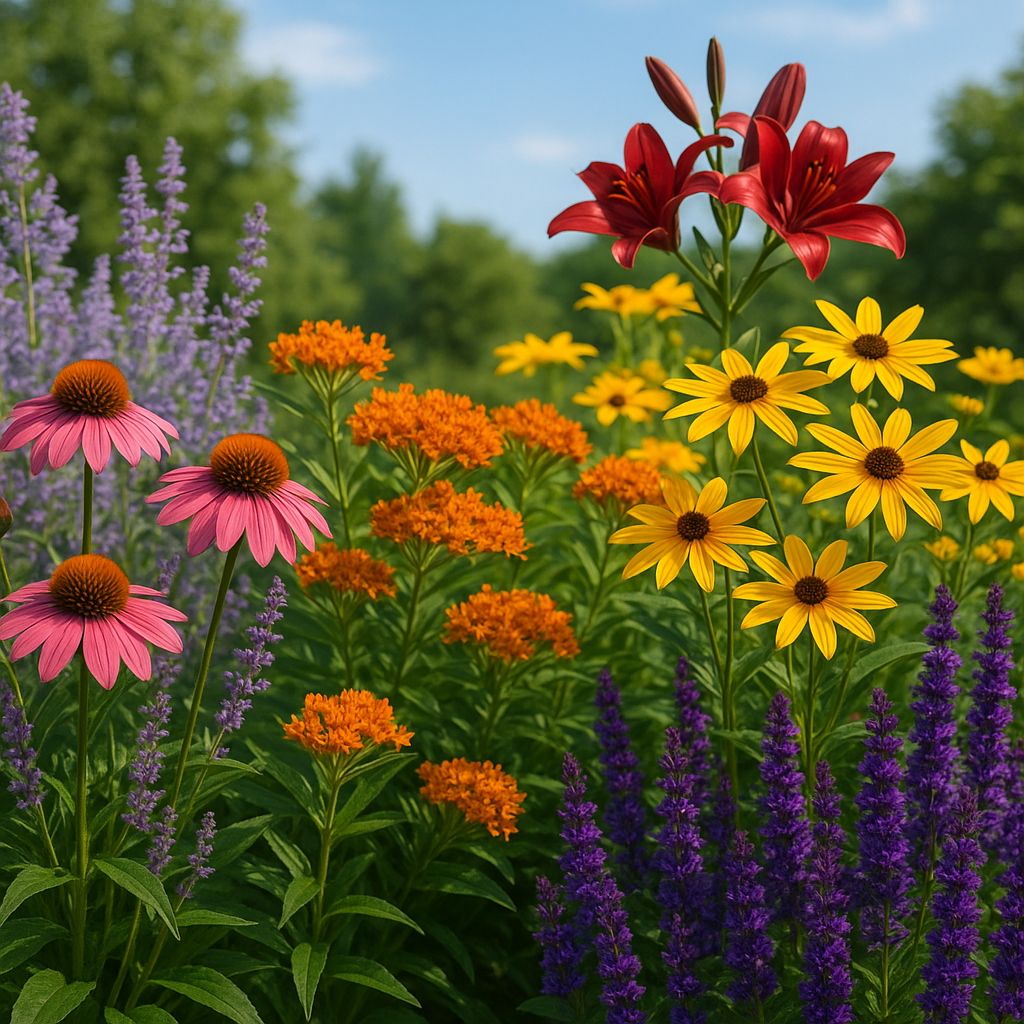
As climate change intensifies and summer temperatures rise, gardening enthusiasts increasingly seek heat-tolerant plants that thrive in warm conditions. Heat tolerant perennials not only beautify your garden but also offer resilience against blistering summers while requiring less water and maintenance. In this article, we will explore the world of heat tolerant perennials, answering common questions, offering expert tips, and highlighting various plant options that can help you create a thriving garden oasis even in the hottest climates.
What Are Heat Tolerant Perennials?
Heat tolerant perennials are plants that can survive and flourish in high temperatures while exhibiting properties that make them resistant to drought, pests, and diseases. These plants typically have adaptations such as thicker leaves, a deeper root system, or a waxy cuticle to reduce water loss. They contribute to sustainable gardening by allowing for conservation practices that can mitigate the impact of dry spells and rising temperatures.
Why Choose Heat Tolerant Perennials?
-
Low Maintenance: Heat tolerant perennials typically require less watering and care, making them an excellent choice for busy gardeners.
-
Sustainability: With more extreme weather occurrences, choosing plants that can withstand these changes is essential for a sustainable garden.
-
Biodiversity: Incorporating a wide range of heat tolerant perennials can attract diverse pollinators and beneficial insects, contributing to overall garden health.
-
Aesthetics: These plants can add color, texture, and vibrancy to any garden landscape without compromise on beauty, even in the harshest sun.
Understanding Climate Zones and Plant Hardiness
Before selecting heat tolerant perennials for your garden, it’s essential to understand your local climate and USDA plant hardiness zone. Understanding your zone will help you choose plants that are best suited for your area, taking into consideration temperature extremes, humidity levels, and precipitation amounts.
Most areas are categorized on a scale from zones 1 (coldest) to zone 13 (warmest). Many heat tolerant plants thrive in zones 7-11, often found in regions with arid to semi-arid climates. Research your specific zone to better inform your plant selections.
Common Questions About Heat Tolerant Perennials
1. Which Perennials Are Best for Hot Climates?
Here is a diverse selection of heat tolerant perennials that can elevate your garden’s resilience and aesthetic appeal:
-
Lavender (Lavandula spp.): Known for its fragrant blooms and drought resistance, lavender thrives in hot, well-drained soil.
-
Coneflower (Echinacea purpurea): This robust perennial tolerates drought and high heat, producing striking pink, purple, or white flowers that attract pollinators.
-
Black-eyed Susan (Rudbeckia hirta): A native wildflower, black-eyed Susan blooms profusely in summer and is well-adapted to high temperatures and poor soil.
-
Salvia (Salvia spp.): This versatile plant comes in various species and cultivars. Salvia is not only heat tolerant but also attracts hummingbirds and butterflies.
-
Sedum (Sedum spp.): These succulent perennials are excellent for hot, dry conditions, thriving in poor soil with minimal water.
-
Daylily (Hemerocallis spp.): Hardy and adaptable, daylilies produce a continuous display of blooms throughout the summer while being highly drought-resistant.
2. How Do I Plant and Care for Heat Tolerant Perennials?
Successful planting and caring for heat tolerant perennials involve several key steps:
-
Soil Preparation: A well-drained soil mix enhances root development. Incorporate organic matter like compost to improve moisture retention without leading to excess water.
-
Proper Spacing: When planting, ensure adequate spacing between perennials to allow for air circulation and growth. Overcrowded plants may attract pests and be more susceptible to diseases.
-
Watering: Although these plants are heat tolerant, they still require regular watering, especially during their establishment phase. Implement a deep watering technique to encourage deep rooting.
-
Mulching: Applying a layer of mulch around the base of your plants can help regulate soil temperature, conserve moisture, and suppress weeds.
-
Fertilization: Most heat tolerant perennials benefit from a light application of balanced fertilizer in early spring to promote vigorous growth and blooming.
3. Are There Specific Types of Soil to Consider for Heat Tolerant Perennials?
-
Loamy Soil: A balanced mix of sand, silt, and clay that retains moisture while allowing for good drainage is ideal for heat tolerant perennials.
-
Sandy Soil: While it drains exceptionally well, sandy soil requires the addition of organic matter to improve its water retention capacity.
-
Clay Soil: Known for retaining moisture, clay soil needs to be amended with sand or organic material to enhance drainage and root aeration for heat tolerant plants.
4. How Can I Provide Additional Support During Extreme Heat?
During periods of extreme heat, you can take additional measures to support your heat tolerant perennials:
-
Shading: Creating temporary shade with garden structures or shade cloth can protect young or vulnerable plants during peak heat.
-
Drip Irrigation: Installing a drip irrigation system conserves water by delivering moisture directly to the plant root zone.
-
Selecting Resistant Varieties: Choose varieties that have been specifically bred for heat tolerance as they are more likely to thrive in unfavorable conditions.
5. How Do I Design My Garden with Heat Tolerant Perennials?
When designing your garden:
-
Consider Microclimates: Identify various microclimates in your garden—areas that heat up quicker or retain moisture differently. Place heat tolerant perennials in areas that receive full sun, such as south-facing slopes.
-
Layering Plants: Plant taller heat tolerant perennials at the back of a border and shorter varieties in front. This adds depth to your garden and creates visual interest.
-
Color Schemes: Create cohesive color arrangements by selecting plants with harmonious blooming colors. Combine various shades to create a vibrant display.
-
Seasonal Blooms: Choose a mix of perennials that bloom at different times to ensure a continuous display of color throughout the growing season.
Noteworthy Heat Tolerant Perennials to Consider
Beyond the commonly planted perennials mentioned earlier, several lesser-known gems deserve attention in the realm of heat tolerance:
1. Rudbeckia ‘Goldsturm’:
This cultivar of black-eyed Susan is not only hardy but blooms heavily from midsummer to early fall, offering golden yellow daisy-like flowers that brighten up any garden.
2. Liatris Spicata (Blazing Star):
A striking plant with purple spikes that draw butterflies and bees. It thrives in full sun and poor soil conditions, making it perfect for any hot garden.
3. Agastache (Hyssop):
Available in various species and hybrids, agastache blooms profusely throughout the summer. Its unique aromatic foliage can deter pests while attracting beneficial pollinators.
4. Achillea millefolium (Yarrow):
This native wildflower is incredibly drought tolerant and produces clusters of colorful flowers that can handle almost any soil condition.
5. Monarda didyma (Bee Balm):
Another perennial that not only withstands heat but attracts a wealth of hummingbirds and bees to your garden with its vibrant flowers.
The Benefits of Native Heat Tolerant Perennials
Opting for native heat tolerant perennials serves dual purposes—enhancing your garden’s beauty while supporting local ecosystems. Native plants are generally hardier and more adapted to the specific conditions of their environment, requiring less maintenance. When choosing heat tolerant plants, consider selecting regional natives. Here are some benefits:
-
Adaptation: Native plants have evolved to thrive in local weather patterns and soil types, offering resilience against heat and drought.
-
Biodiversity: Natives bloom at different times of the year, supporting various pollinators and ensuring that your garden thrives with activity.
-
Soil Health: Native plants contribute to healthy soil ecosystems by supporting native insects and microorganisms essential for plant health.
-
Aesthetic and Cultural Heritage: Incorporating local plants maintains your area’s aesthetic character and can pay homage to your cultural heritage.
Conclusion: Thriving in Heat with Resilient Perennials
Incorporating heat tolerant perennials into your garden is not only a wise choice for the gardener facing the rising temperatures of climate change but also contributes to the broader environmental narrative of sustainable and sensible gardening practices. By selecting resilient plants, understanding their care, and embracing native options, you can create a thriving, vibrant, and sustainable garden that flourishes in the heat.
As you embark on your journey to implement heat tolerant perennials, keep an open mind, and be willing to experiment. Gardening is a process of learning—both from nature and through experience. By doing so, not only will you create a beautiful landscape in the face of climate challenges, but you will also foster biodiversity and environmental stewardship in your local area. So, dig in, plant your heat tolerant perennials, and let the sunlight enhance your serene outdoor retreat.