
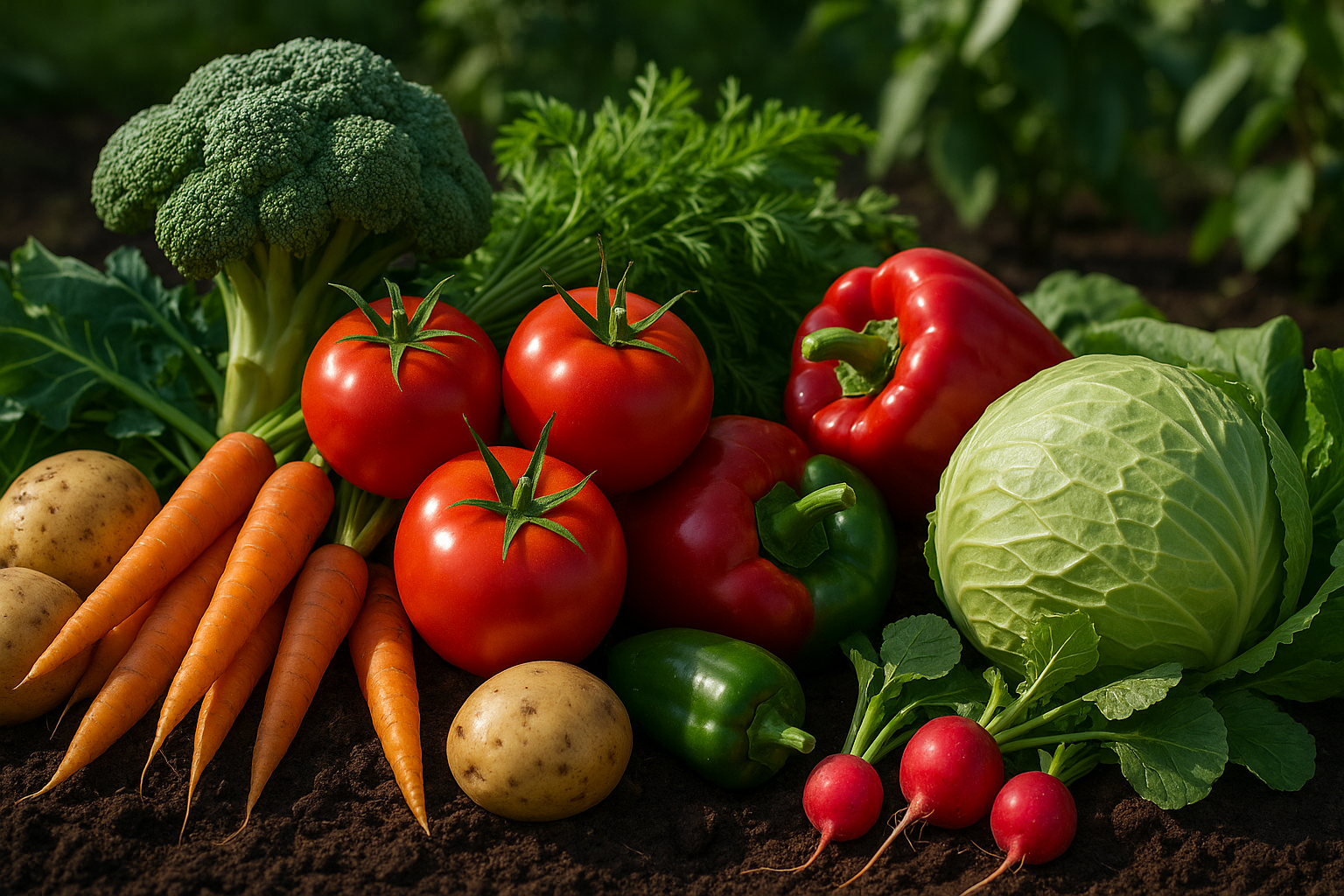
Gardening is much more than a hobby; it is a tender relationship between nature and nurture. As every gardener knows, understanding soil composition is critical for successful cultivation. While neutral soil is often seen as the ideal, there exists a whole world of vegetables that flourish in acidic soils. From vibrant tomatoes to hearty blueberries, let’s dive into the vibrant ecosystem of garden vegetables that thrive in acid-rich environments.
What Is Acidic Soil?
Acidic soil is defined by a pH level that is less than 7.0, with lower values indicating higher acidity. This unique condition is often the result of various environmental factors, including rainfall, organic matter decomposition, and the presence of certain minerals like iron and aluminum. Gardening in acidic soil can seem daunting at first, but many plants have evolved to thrive in these conditions.
What Are the Benefits of Acidic Soil?
Acidic soil offers a number of advantages for certain plants.
- Nutrient Availability: In acidic environments, nutrients like iron, manganese, and sulfur are more soluble and thus more easily available to plants.
- Reduced Competition: Since not all plants thrive in such conditions, acid-loving plants can dominate in these environments, reducing competition from other species.
- Disease Resistance: Certain pathogens and pests may be less prevalent in acidic soils, providing a natural form of protection to acid-loving plants.
Vegetables That Love Acidic Soil
Now that we have a foundational understanding of acidic soil, let’s explore the star players—vegetables that thrive in this environment.
1. Blueberries
Blueberries (Vaccinium spp.) are perhaps the most iconic acid-loving plants. These vibrant berries not only taste delightful but also boast immense health benefits, including high levels of antioxidants.
Growing Conditions
- Soil pH: Ideal range is between 4.5 and 5.5.
- Sunlight: Full sun for maximum fruit production.
- Moisture: Well-drained, organic-rich soil with a consistent moisture level.
How to Grow Blueberries
To cultivate blueberries successfully, it’s essential to choose the right varieties, such as Northern Highbush (e.g., ‘Bluecrop’) or Southern Highbush (e.g., ‘Springhigh’).
Steps:
- Site Selection: Choose a location in full sun with slight winter protection from cold winds.
- Soil Preparation: Amend your soil with peat moss, pine bark, and sulfur to lower pH if necessary.
- Planting: Space bushes 4 to 5 feet apart for air circulation and pollination.
- Watering: Maintain consistent moisture, avoiding overwatering.
2. Potatoes
Potatoes (Solanum tuberosum) are a staple in many diets and do surprisingly well in acidic soils.
Growing Conditions
- Soil pH: Ideally between 5.0 and 6.0.
- Sunlight: Full sun, although they can tolerate partial shade.
- Moisture: Well-drained soil, as potatoes are sensitive to waterlogged conditions.
How to Grow Potatoes
Growing potatoes can be a rewarding experience due to their ease of maintenance and versatility in the kitchen.
Steps:
- Seed Selection: Use certified seed potatoes for the best results, cutting larger ones into pieces.
- Soil Preparation: Acidic soil can enhance flavor; mix in well-rotted manure or compost.
- Planting: Plant seed potatoes 4 inches deep with eyes facing up, spacing them about a foot apart.
- Care: Hill soil around emerging plants to encourage tuber growth and prevent them from turning green.
3. Rhubarb
Rhubarb (Rheum rhabarbarum) is not only a perennial favorite for its tart flavor but also demonstrates strong adaptability to acidic soils.
Growing Conditions
- Soil pH: Thrives in soil with a pH of 5.0 to 6.8.
- Sunlight: Prefers full sun but can tolerate some shade.
- Moisture: Requires consistent moisture without waterlogging.
How to Grow Rhubarb
Rhubarb is very forgiving, making it ideal for new gardeners.
Steps:
- Site Selection: Ideally, choose a spot that gets full sun but has some afternoon shade.
- Soil Preparation: Enrich the soil with compost to retain moisture and support robust growth.
- Planting: Space plants 3 feet apart in widely spaced rows; plant crowns at a depth of about 2 inches.
- Maintenance: Harvest stalks when they are thick and firm, removing flowers to force more growth into the edible stalks.
4. Tomatoes
Tomatoes (Solanum lycopersicum) have a complex relationship with soil pH. While they technically prefer near-neutral soil, certain heirloom varieties perform better in slightly acidic soils, demonstrating enhanced flavor profiles.
Growing Conditions
- Soil pH: Ideally between 6.0 and 6.8, but many heirlooms thrive around 5.5.
- Sunlight: Full sun.
- Moisture: Well-drained soil with regular watering.
How to Grow Tomatoes
Tomatoes are often considered a gardener’s best friend due to their versatility and ease of growth.
Steps:
- Seed Selection: Choose varieties like heirloom Brandywine or Cherokee Purple for acid tolerance.
- Soil Preparation: Incorporate sulfur or organic matter to adjust pH as needed.
- Planting: Plant seedlings deep to encourage strong root development. Space them around 24 inches apart.
- Support: Use cages or stakes for support as plants mature.
5. Peppers
Peppers, including both bell and various hot varieties, can also thrive in slightly acidic soils.
Growing Conditions
- Soil pH: Preferring a pH between 5.5 and 6.8.
- Sunlight: Needs full sun for optimal growth.
- Moisture: Soil that’s well-drained and rich in organic material.
How to Grow Peppers
Peppers have long growing seasons, making them a favorite of many gardeners.
Steps:
- Seed Selection: Choose high-yield varieties according to your culinary preferences.
- Preparation: Amend the soil with compost and organic fertilizers to optimize growth.
- Planting: Sow seeds indoors 8-10 weeks before the last frost or plant transplants directly in warm, well-drained soil.
- Care: Regularly water, avoiding overhead watering to minimize disease risk.
6. Carrots
Carrots (Daucus carota) are root vegetables that can equally thrive in slightly acidic conditions, delivering sweetness and crunch.
Growing Conditions
- Soil pH: Prefers around 5.5 to 6.5.
- Sunlight: Full sun to partial shade.
- Moisture: Consistent moisture without waterlogging.
How to Grow Carrots
Carrots are a delightful addition to your garden and kitchen.
Steps:
- Selection: Choose varieties such as ‘Nantes’ or ‘Danvers’ for their adaptability.
- Soil Preparation: Loosen soil to about 12 inches deep; mix in organic matter to improve texture.
- Planting: Sow seeds directly into the soil, spacing them 1-2 inches apart.
- Maintenance: Thin seedlings to prevent overcrowding and ensure adequate root growth.
Frequently Asked Questions
Q1: How can I test my soil’s pH level?
Testing your soil’s pH can be done using a home testing kit, which is readily available at garden centers or online. Alternatively, local agricultural extensions often provide soil testing services for a nominal fee.
Q2: If my soil is not acidic, can I still grow acid-loving vegetables?
Definitely! If your soil is more alkaline, you can lower the pH by adding elemental sulfur, peat moss, or pine needles into the soil. This will create a more suitable environment for acid-loving plants.
Q3: Are there any downsides to growing vegetables in acidic soil?
While many vegetables thrive in acidic conditions, keep in mind that excessive acidity can lead to nutrient deficiencies. Always monitor the pH and nutrient levels to keep your plants healthy.
Q4: Can I increase acidity in container gardens?
Yes! Container gardening allows for more control over soil pH. Use potting mixes designed for acid-lovers and regularly amend with organic acids (like pine bark) to maintain the desired acidity.
Q5: What nutrients should I be aware of for acid-loving vegetables?
Keep an eye on nutrients like nitrogen, phosphorus, potassium, magnesium, and calcium. In acidic soil, calcium particularly becomes less available. Regularly conducting soil tests will guide you in ensuring your plants receive the necessary nourishment.
Conclusion
Gardening is both an art and a science, and understanding that some plants prefer acidic conditions expands the possibilities for your vegetable garden. From berries to roots, those acidic-loving veggies offer a cornucopia that’s delightfully rich in flavor and nutrition.
By tapping into the potential of acidic soils, you not only cater to a unique ecosystem but also discover a whole new level of gardening joy. So grab your shovel, prepare your soil, and let the bounty of acidic-loving vegetables begin. Happy gardening!