
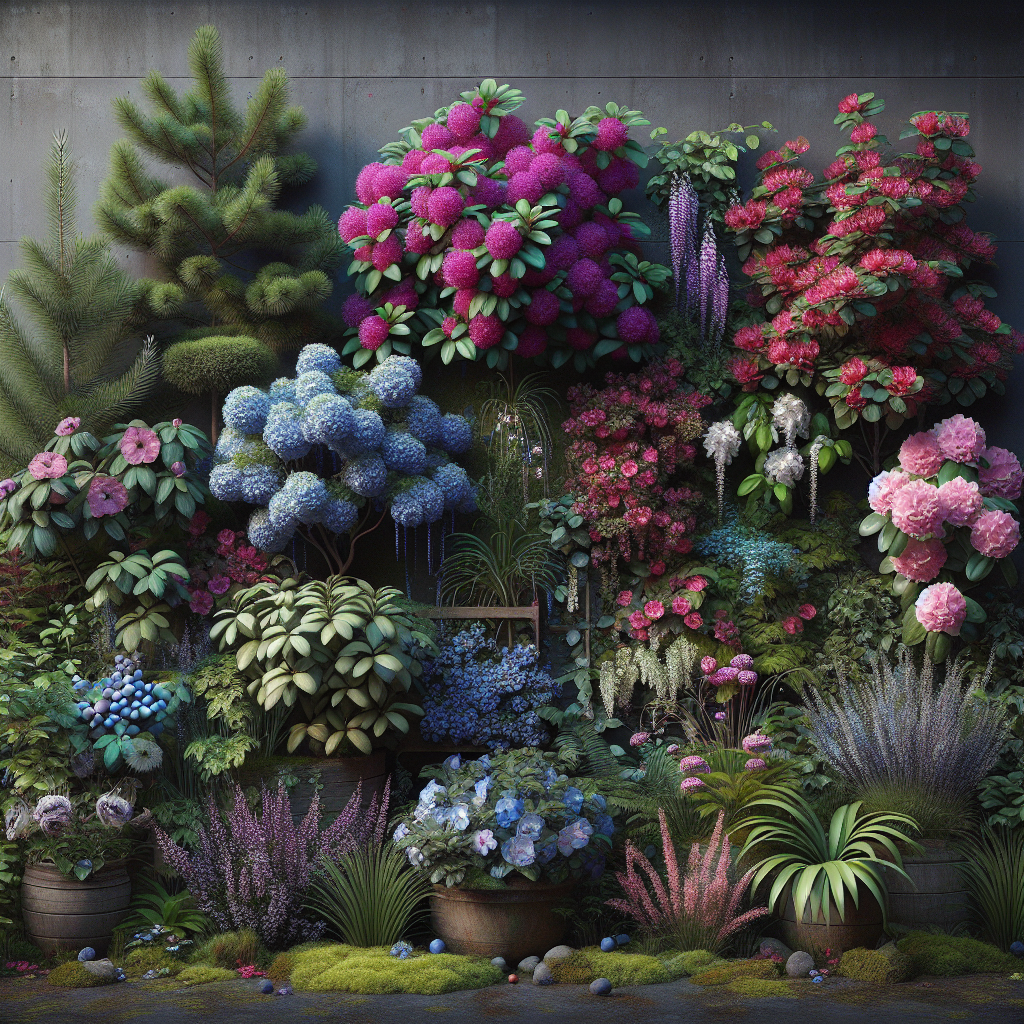
Gardening is one of the most rewarding hobbies, allowing individuals to connect with nature while cultivating diverse plant life. However, not all plants are created equal when it comes to soil preferences, and understanding the nuances of soil acidity can be the key to a thriving garden. In this article, we will explore what it means for soil to be acidic, discuss the plants that thrive in acidic conditions, and answer some frequently asked questions about this topic.
Understanding Soil pH
Before diving into specific plants, let’s first understand what soil acidity means. Soil pH is a scale from 0 to 14 that measures how acidic or alkaline the soil is, with a pH of 7 being neutral. Soil with a pH below 7 is considered acidic, while a pH above 7 is alkaline. Acidic soils typically have a pH ranging from 0 to 6.9.
Why Does Soil pH Matter?
Soil pH significantly impacts nutrient availability, microbial activity, and overall plant health. In acidic soils, certain nutrients (like iron, manganese, and aluminum) become readily available to plants, while others (like calcium and magnesium) may become less available. This means that the plants you choose to grow should be compatible with the available nutrient profile of your soil.
Plants That Thrive in Acidic Soil
Now that we understand the concept of soil acidity, let’s dive into some of the plants that love acidic conditions. Here’s a comprehensive list:
1. Blueberries (Vaccinium spp.)
Blueberries are among the most popular fruits that thrive in acidic soils, ideally preferring a pH of 4.5 to 5.5.
Growing Conditions: Blueberries require well-drained soil rich in organic matter. They should be planted in a sunny location where they can receive at least six hours of direct sunlight.
Benefits of Growing Blueberries: Apart from their delicious flavor, blueberries are rich in antioxidants and vitamins. They can also attract pollinators like bees to your garden.
2. Azaleas (Rhododendron spp.)
Azaleas are beautiful flowering shrubs that thrive in acidic soils, making them a garden favorite.
Growing Conditions: They prefer a pH range of 5 to 6 and are best planted in partially shaded areas with well-drained, moist soil.
Benefits: Besides their spectacular blooms, azaleas can help maintain soil moisture and are excellent for natural landscaping.
3. Camellias (Camellia spp.)
These evergreen shrubs produce stunning flowers and are well-suited to acidic soils.
Growing Conditions: Camellias prefer a pH between 5 and 6 and thrive in partially shaded to fully shaded areas.
Benefits: Their distinctive flowers can brighten up any garden, and they serve as excellent hedges or foundation plants.
4. Rhododendrons
Rhododendrons, closely related to azaleas, also flourish in acidic conditions.
Growing Conditions: These massive, colorful shrubs love a pH range of 5 to 6 and can tolerate some shade.
Benefits: They provide spectacular blooms in spring and can create a natural habitat for wildlife.
5. Holly (Ilex spp.)
Holly is a versatile plant that can adapt to various soil types, but it thrives best in acidic soils.
Growing Conditions: Preferring a pH of 5 to 6, hollies are best planted in full sun to partial shade.
Benefits: Known for its bright red berries and glossy leaves, holly is a popular choice for winter interest in gardens.
6. Lily of the Valley (Convallaria majalis)
This fragrant wildflower enjoys acidic soil and thrives in partial shade.
Growing Conditions: A pH of 5 to 6.5 is ideal, and it prefers moist, well-drained soil.
Benefits: With its sweet scent and delicate flowers, lily of the valley can create a lovely ground cover.
7. Ferns
Many fern species, like the Lady Fern (Athyrium filix-femina), prefer acidic conditions.
Growing Conditions: They thrive in pH levels of 5 to 6.5 and appreciate shady, moist environments.
Benefits: Ferns add a lush, tropical feel to gardens and require low maintenance.
8. Heathers (Calluna vulgaris)
These hardy shrubs are perfect for acidic soils and bloom in late summer and fall.
Growing Conditions: They prefer a pH of 4.5 to 5.5 and thrive in well-drained, sandy soils.
Benefits: Heathers provide vibrant color when many other plants are fading and can attract wildlife.
9. Sweet Potatoes (Ipomoea batatas)
While often associated with sandy loam, sweet potatoes thrive in acidic soil with pH levels ranging from 5 to 6.5.
Growing Conditions: They prefer warm climates and well-drained, organic-rich soils.
Benefits: Sweet potatoes are nutritious, easy to grow, and can also provide ornamental foliage.
10. Cranberries (Vaccinium macrocarpon)
These tart berries are another fantastic choice for acidic soils and prefer a pH level of 4.5 to 5.5.
Growing Conditions: They flourish in sandy, acidic, well-drained soils and require full sun.
Benefits: Cranberries not only provide delicious fruit but are also an attractive addition to any garden with their unique growth habits.
FAQs About Acidic Soil
Now that we have a detailed overview of plants that thrive in acidic soil, let’s address some common questions gardeners may have on this topic.
1. What Causes Soil to be Acidic?
Several factors can contribute to soil acidity, including:
- Rainfall: High amounts of rainfall can leach basic nutrients from the soil, leading to acidity.
- Organic Matter: Decomposing organic matter can produce organic acids.
- Parent Material: The geological materials that make up the soil also play a role in determining its pH.
- Fertilization: Certain fertilizers can lower soil pH.
2. How Can I Test My Soil’s pH?
Testing your soil’s pH can be done with a home test kit, which is available at gardening stores. Here’s a simple method:
- Collect Soil Sample: Take samples from several locations in your garden to get an average reading.
- Mix with Water: Combine the soil with distilled water according to the instructions.
- Use the Test Kit: Follow the instructions on your soil testing kit.
Alternatively, you can send a sample to a local agricultural extension office for a more precise analysis.
3. How Can I Amend My Soil If it’s Not Acidic Enough?
If your soil turns out to be more alkaline than desired, consider the following amendments:
- Sphagnum Peat Moss: This natural material is highly acidic and adds organic matter.
- Elemental Sulfur: This can lower the soil pH, but apply it cautiously and according to the recommendations.
- Iron Sulfate: Like elemental sulfur, this helps to acidify the soil.
4. How Do I Maintain Soil Acidity?
To maintain your garden’s soil acidity, consider the following practices:
- Regular Testing: Continuously monitor soil pH to make adjustments as needed.
- Mulching: Use acidic mulch like pine needles or wood chips to help retain moisture and maintain acidity.
- Organic Matter: Adding organic matter, such as compost, can improve soil structure while also providing fertilization.
5. Are There Any Drawbacks to Acidic Soil?
While many plants thrive in acidic environments, it’s important to be mindful of potential drawbacks:
- Nutrient Imbalance: Some essential nutrients may become unavailable.
- Toxicity: In very acidic soils, certain minerals like aluminum can become toxic to plants.
- Limited Plant Choices: The range of plants suitable for acidic soils may be narrower compared to more neutral soils.
6. Are There Garden Design Considerations for Acidic Soil?
Certainly, designing a garden with acidic soil can be rewarding! Here are some tips:
- Plant Grouping: Group acidic-loving plants together to create cohesive zones in your garden.
- Layered Planting: Use taller plants at the back and shorter plants at the front for visual appeal.
- Seasonal Interest: Consider selecting plants that bloom in different seasons for year-round color.
7. Can I Grow Vegetables in Acidic Soil?
Yes, some vegetables thrive in acid! For instance, tomatoes, peppers, radishes, and many leafy greens can manage acidic conditions, especially if the pH is around 6.0 to 6.5. However, be cautious as some vegetables may not do as well, so always check their specific soil preferences.
Conclusion
Understanding and embracing acidic soil can lead to stunning gardens filled with vibrant colors and nutritious produce. From blueberries to azaleas, the diversity of plants that thrive in these conditions is both exciting and rewarding. By taking the time to test and amend your soil, as well as knowing what plants will succeed, you can create a lush, beautiful garden landscape tailored to your environment.
Whether you’re a seasoned gardener or just beginning your horticultural journey, the knowledge gained here will empower you to make the most of your acidic soil. So grab your gardening gloves and get started on a beautiful garden that thrives in acidity today!