
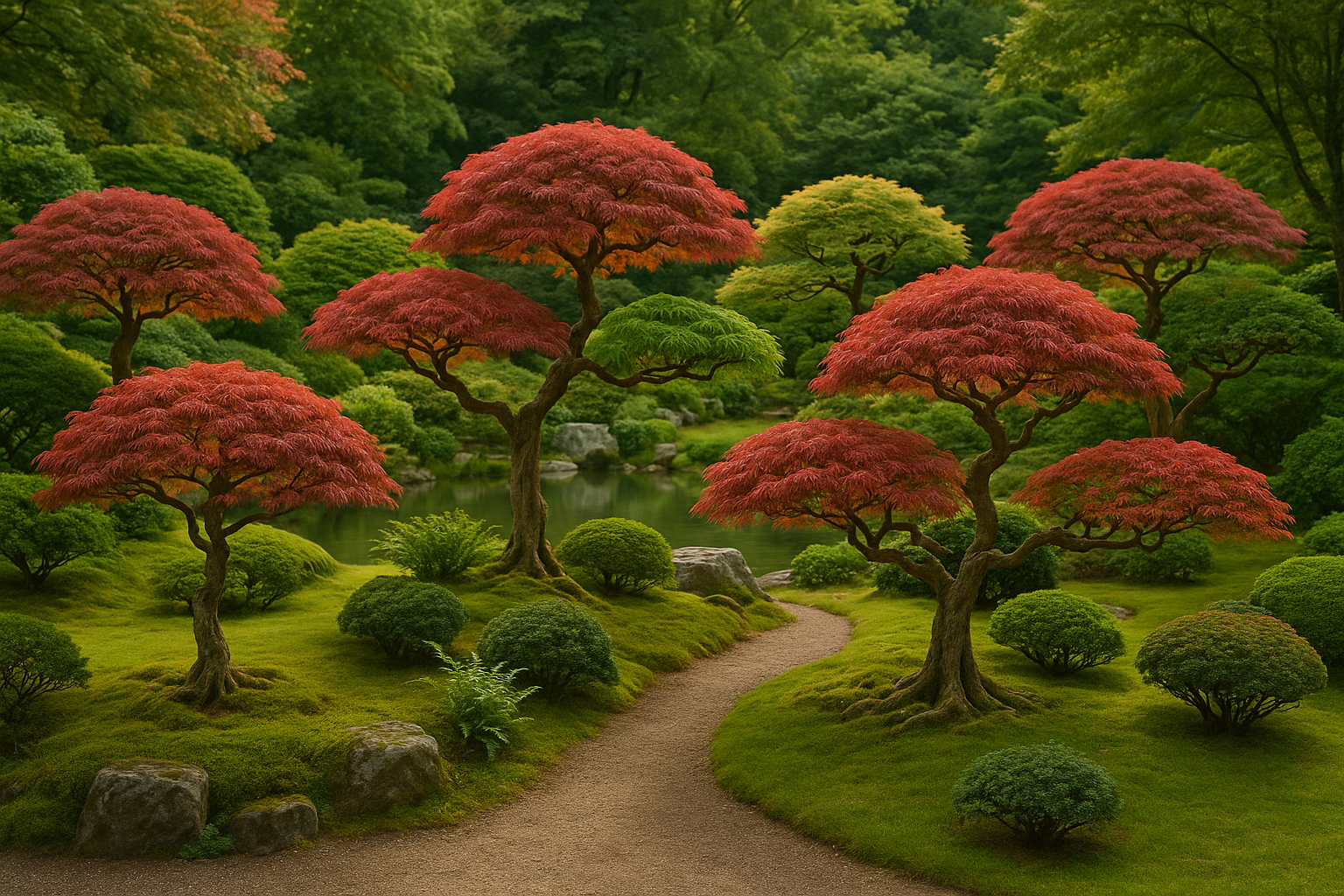
Japanese gardens are renowned for their meticulous design, tranquility, and ability to evoke a sense of peace and reflection. Among these contemplative spaces, dwarf canopy tree gardens stand out as an exquisite intersection of form, nature, and artistry. These gardens, characterized by their elegant dwarf trees serving as canopies, present a unique aesthetic that reflects the principles of Japanese garden design while offering an array of benefits to gardeners and nature enthusiasts alike. In this in-depth exploration, we will delve into the many facets of dwarf canopy tree Japanese gardens, answering key questions and providing guidance for those interested in embracing this beautiful gardening style.
What Are Dwarf Canopy Trees?
Before we embark on our exploration of dwarf canopy tree Japanese gardens, it is essential to clarify what dwarf canopy trees are. These are specifically bred or naturally occurring trees that are smaller in stature, often reaching a height of no more than 8 to 12 feet. The canopy of these trees is comparatively dense, providing an intimate shaded area below while allowing filtered light to penetrate through their leaves. Dwarf canopy trees are typically cultivated through specific pruning and care techniques to maintain their diminutive size and desired form.
Some popular dwarf canopy trees that one might find in a Japanese garden include:
- Japanese Maple (Acer palmatum): Known for its stunning foliage that changes colors seasonally, this tree adds a vibrant palette to any garden.
- Weeping Cherry (Prunus subhirtella): With its gracefully drooping branches, the weeping cherry creates a whimsical focal point during spring when covered in blossoms.
- Dwarf Hinoki Cypress (Chamaecyparis obtusa ‘Nana’): This evergreen tree’s dense foliage adds an element of year-round interest and texture.
- Small Azaleas and Rhododendrons: While typically considered shrubs, these can also serve as dwarf canopied elements by providing height and bloom in various seasons.
Why Choose a Dwarf Canopy Tree Garden?
Space Efficiency
One of the most compelling reasons to choose a dwarf canopy tree garden is space efficiency. Dwarf trees are appropriate for small urban plots, patios, or even rooftop gardens where vertical growth potential is limited. Their small size allows for creative landscaping opportunities in otherwise cramped locations. As modern living spaces continue to trend towards smaller footprints, dwarf canopy trees offer a valuable means of bringing nature into urban environments.
Aesthetic Appeal
A dwarf canopy tree garden is visually striking, providing an allure that captures the essence of traditional Japanese aesthetics. The play of light and shadow beneath a canopy, combined with the intricate textures and colors of leaves, creates a beautiful, dynamic space that changes throughout the seasons. This enchanting atmosphere allows the garden to serve not only as a functional outdoor space but also as a living work of art.
Psychological Benefits
Research has demonstrated the mental health benefits of spending time in natural environments. Dwarf canopy tree gardens can foster a sense of calm, enhance mood, and relieve stress. Sitting beneath a flourishing canopy can promote mindfulness, allowing individuals to connect with their surroundings and embrace the tranquility of nature. The Zen influences deeply rooted in Japanese garden design encourage contemplative practices, making such gardens a haven for reflection and serenity.
How to Design a Dwarf Canopy Tree Japanese Garden
Step 1: Selection of Trees
Your choice of dwarf canopy trees will lay the foundation for your Japanese garden. Consider factors such as climate, soil type, and aesthetic preferences when making your selection. Research dwarf varieties of trees that flourish in your specific area, and consider how their seasonal changes can create a dynamic environment.
Step 2: Layout and Design Principles
Japanese garden design is governed by several key principles:
-
Asymmetry: Embrace an organic composition by opting for asymmetrical arrangements, reflecting the natural distribution of elements in the environment.
-
Balance: While pursuing an asymmetrical layout, ensure balance through the placement of rocks, plants, and pathways. Balancing visual weight will create cohesion within the garden.
-
Layering and Focal Points: Utilize dwarf canopy trees to create layered design elements. Placing taller trees as focal points while interspersing smaller plants and features will add depth and interest. This technique draws the eye in a meaningful way, enhancing the viewer’s journey throughout the space.
-
Natural Materials: Incorporate rocks, gravel, bamboo, and stone lanterns to connect the garden with nature. The materials should feel authentic and are often selected to reflect local geology and ecology.
-
Water Features: Consider adding a small pond, stream, or water basin. The sound of flowing water can further enhance the tranquil atmosphere of your dwarf canopy tree garden.
Step 3: Final Touches and Maintenance
Once you have your trees and design elements in place, consider incorporating ornamental features such as pathways, stepping stones, or seating areas that encourage exploration and relaxation. Regular maintenance, including pruning, watering, and seasonal care, will be essential to keeping your dwarf trees healthy and the garden looking its best.
What Are the Maintenance Requirements for Dwarf Canopy Trees?
Engaging in proper maintenance is crucial for preserving the beauty and health of your dwarf canopy tree garden. Here are some basic maintenance tips:
-
Pruning: Regular pruning helps maintain the desired size of dwarf canopy trees. It also encourages healthy growth and improves air circulation within the canopy. Be mindful of the tree’s natural shape and growth patterns when pruning.
-
Watering: Young plants need consistent watering, especially during the warmer months. Ideally, deep watering is recommended to encourage strong root development.
-
Fertilizing: Apply a balanced, slow-release fertilizer in early spring to ensure robust growth. Be cautious not to over-fertilize, which can lead to excessive growth at the expense of a compact structure.
-
Mulching: Adding a layer of organic mulch can help retain soil moisture, suppress weeds, and regulate soil temperature, providing a conducive environment for your dwarf trees.
-
Pest Control: Monitor your plants for common pests such as aphids, spider mites, and caterpillars. Utilize organic pest control methods or entomological interventions only when necessary.
How Can One Enhance the Experience of a Dwarf Canopy Tree Garden?
Art and Sculpture
Incorporating art and sculptures can create focal points that further enhance the aesthetic of your dwarf canopy tree garden. Ranging from Zen-inspired stone lanterns to contemporary pieces, art can imbue personal expression within the garden, inviting contemplation and emotional engagement.
Seasonal Festivals
Consider hosting seasonal gatherings to celebrate the cyclical beauty of your garden. Spring cherry blossom festivals, summer tea ceremonies beneath the canopy, or autumn foliage showcases can promote community engagement and appreciation for nature’s beauty.
Meditation and Mindfulness Practices
Dwarf canopy tree gardens offer an ideal space for meditation, yoga, or tai chi sessions. The natural setting fosters an atmosphere of peace, allowing individuals to connect with their inner selves while simultaneously appreciating the surrounding beauty.
FAQ About Dwarf Canopy Tree Japanese Gardens
What is the ideal climate for a dwarf canopy tree garden?
Dwarf canopy trees vary in their needs but generally thrive in temperate climates. Research the specific species you are interested in to ensure they are suited for your local climate conditions. Most Japanese maples, for example, prefer well-drained, slightly acidic soil and partial shade.
How much sunlight do dwarf canopy trees require?
Dwarf canopy trees typically flourish in partial to full sunlight. However, some species like Japanese maples may prefer dappled shade to safeguard against leaf scorch. Understanding the light requirements for each tree will be crucial for successful placement.
Can dwarf canopy trees tolerate cold weather?
Many dwarf canopy trees can tolerate frost and cold weather, but it’s vital to choose varieties that suit your hardiness zone. Frost-resistant species will retain their beauty throughout the winter, while others may necessitate special care, including mulch coverage during harsh conditions.
Is it possible to create a dwarf canopy tree garden in containers?
Absolutely! Container gardening is an excellent option for dwarf canopy trees. Using pots allows for flexible arrangement and garden design. Just ensure containers have good drainage and choose dwarf trees that can adapt to confined root systems. Regular watering and monitoring of nutrients are also essential in container gardening.
What are some common design mistakes to avoid?
Some common pitfalls include overcrowding plants, neglecting pathways, and overlooking seasonal changes. Striking a balance between plants, enhancing pathways’ functionality, and anticipating the changes in foliage throughout the seasons can elevate a garden’s design.
Conclusion
Dwarf canopy tree Japanese gardens exemplify the harmony of natural beauty and conscious design. These gardens provide opportunities for artistic expression, personal retreat, and environmental stewardship, allowing gardeners and visitors to engage with nature’s wonders on a profound level. With meticulous planning, thoughtful plant selection, and regular maintenance, you can create a tranquil sanctuary that nurtures the spirit and soothes the senses.
Whether you are an experienced gardener seeking to cultivate a serene escape or a novice exploring the wonders of Japanese garden aesthetics, the dwarf canopy tree garden offers an inviting, enriching experience for all who venture within its serene confines. Embrace this captivating style of gardening, and let the dwarf canopy trees guide you toward developing your own personal haven of tranquility.