
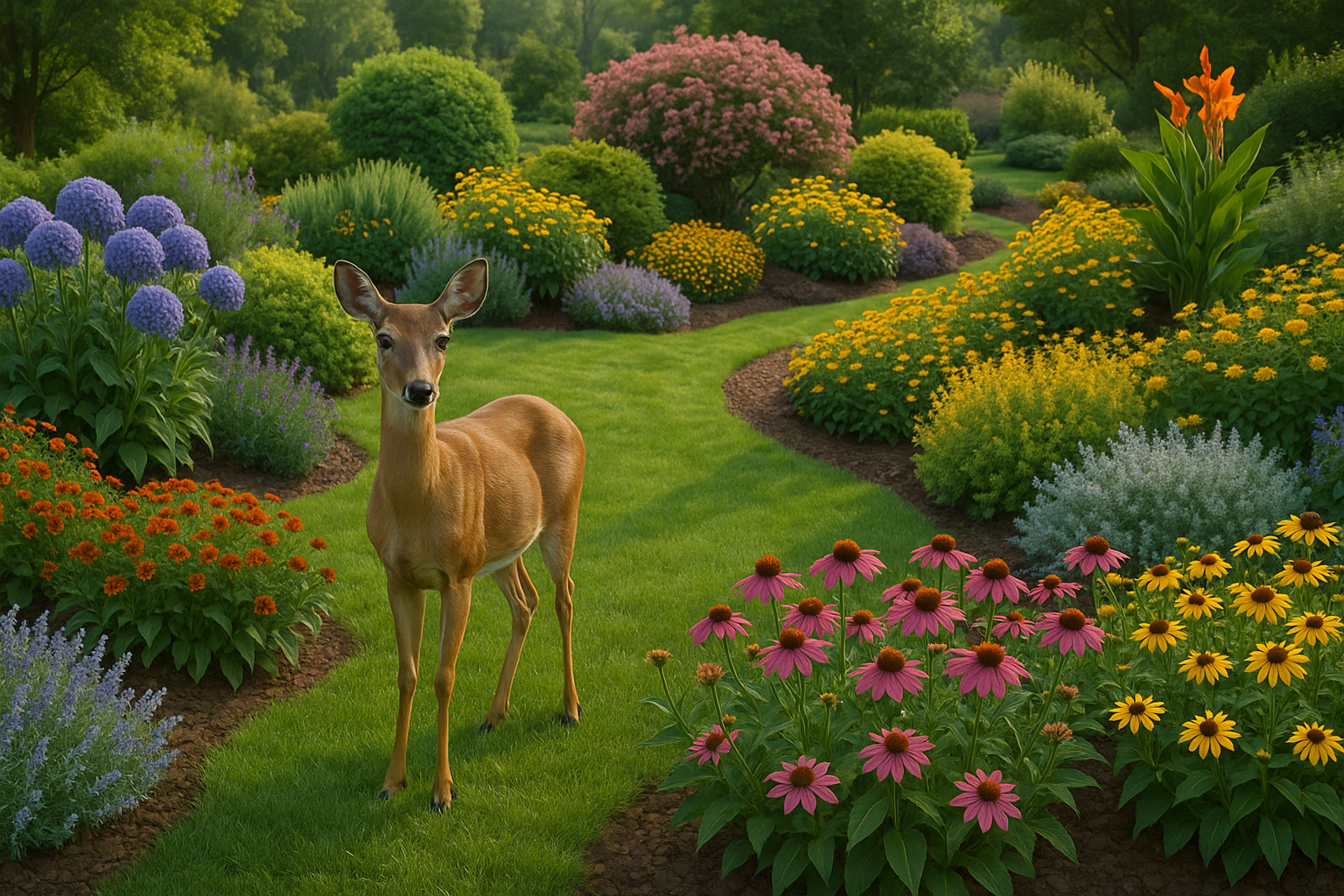
Establishing a garden is a joyous endeavor for many—a space where dreams sprout alongside vegetables, flowers bloom in vibrant colors, and serenity prevails amid gentle rustling leaves. However, for those living in deer-populated areas, an idyllic garden can quickly turn into a hoedown of frustrated gardeners battling hungry deer. With a little creativity and knowledge, gardeners can curate beautiful, eco-friendly landscapes that keep deer at bay while contributing positively to the ecosystem.
This comprehensive guide will delve into effective strategies for creating a deer-resistant garden, explore suitable plant choices, present design ideas, and answer frequently asked questions that anyone might have about developing such spaces.
Understanding Deer Behavior
Before diving into specific design ideas and plant selections, it’s essential to understand deer behavior. White-tailed deer, the most common species found in North America, are opportunistic feeders with a diverse diet. They thrive on vegetation, which means they may be drawn to gardens looking for easy meals. Here are some points to consider regarding deer behavior:
-
Dietary Preferences: Deer generally prefer tender shoots, flowers, and fruits, high in moisture and nutrients. However, they will also consume a wider variety of plants, especially if food sources are scarce.
-
Seasonal Changes: Deer feeding habits shift with the seasons. In the spring and summer, they are drawn to new growth and flowering plants. In the fall and winter, they might browse more heavily on woody plants and evergreen shrubs.
-
Frequencies of Visits: Deer are more likely to visit gardens that are accessible and devoid of deterrents. If your garden offers comfortable rest areas for deer, they may make it a regular stop on their feeding tours.
Design Ideas for a Deer-Resistant Garden
1. Strategic Plant Selection
The foundation of a deer-resistant garden begins with choosing the right plants. Although no plant is entirely deer-proof, several species are less appealing to deer.
Here are some categories to consider:
a. Herbs
Many herbs are aromatic and have a strong scent that deters deer. Incorporating these plants into your garden can also enhance your culinary adventures. Consider including:
- Rosemary
- Thyme
- Sage
- Lavender
- Oregano
b. Perennials
Certain perennial flowers are unintriguing to deer due to their texture or scent. Select plants like:
- Echinacea (Coneflower)
- Astilbe
- Buddleja (Butterfly Bush)
- Foxglove
- Sedum
c. Shrubs and Small Trees
Longer-lasting shrubs can create barriers in your garden. Recommended options include:
- Barberry (thorny and colorful)
- Junipers (evergreen and less palatable)
- Hollies (deer avoid the sharp leaves)
- Spirea (bright flowers without the allure)
d. Ground Covers
Dwelling plans for the underlayer—ground covers can limit deer access to soil and the base of taller plants. Consider:
- Pachysandra
- Creeping Thyme
- Ajuga (Bugleweed)
- Liriope
2. Layering and Heights
Create a multi-layered garden by placing taller plants in the back and shorter plants in the front. This not only makes for a visually appealing landscape but can also act as a barrier. Taller deer-resistant plants can overshadow shorter, more vulnerable ones. Here’s a basic layout:
- Back layer (taller plants): Sunflowers, hollyhocks
- Middle layer (medium plants): Coneflowers, black-eyed Susan
- Front layer (shorter plants): Lamb’s ear, creeping thyme
3. Utilizing Fencing as a Complementary Strategy
Physical barriers can be effective in keeping deer away. Consider these fencing options:
- Solid fences: A minimum height of 8 feet is recommended.
- Picket fences: Make sure the gaps are narrow enough to prevent deer entry.
- Recommended materials: Using natural materials like wood or cost-effective options such as chicken wire can be effective without breaking the bank.
4. Creating a Multi-Sensory Garden
Incorporating elements that engage more than just sight can enhance your garden and deter deer. Think about:
- Scent: Plant fragrant herbs like lavender and rosemary.
- Sound: Wind chimes and reflective items can create noise that may unsettle deer.
- Texture: Mixing rough and soft plants creates visual interest and perplexes foraging herbivores.
5. Implementing Natural Repellents
Integrating natural repellents into your gardening is another effective tactic. Simple methods include:
- Cayenne pepper or vinegar sprays: These create unpleasant flavors and odors to dissuade nibbling.
- Human hair or soap shavings: These items can provide an odor deer often associate with human activity.
Frequently Asked Questions About Deer-Resistant Gardens
Q1: Are deer resistant plants guaranteed to be safe from deer?
A1: No plant is entirely deer-proof, as food scarcity and hunger might lead deer to try plants they typically avoid. However, choosing deer-resistant species significantly reduces the likelihood of deer browsing.
Q2: How can I attract butterflies and pollinators while keeping deer away?
A2: Many deer-resistant plants also attract butterflies and pollinators. Opt for:
- Milkweed (for monarch butterflies)
- Black-eyed Susan
- Zinnias
This way, you can create a scenic, beneficial environment for both garden aesthetics and wildlife.
Q3: How important is the garden’s location in relation to deer visits?
A3: The garden’s location can impact deer visits significantly. Gardens near thickets or other natural deer habitat have a higher chance of deer encounters, while gardens situated away from dense cover may deter visits. If possible, place your garden away from these areas and establish paths of movement leading from the house through landscape.
Q4: What are some seasonal considerations for deer awareness?
A4: Spring and early summer typically see the most deer activity due to new plant growth, which is highly attractive. Keeping this in mind when planning planting schedules can help you effectively manage year-round deer visits.
Q5: What seasonal maintenance is necessary for a deer-resistant garden?
A5: Regular maintenance such as pruning plants, cleaning up fallen fruit, and mulching can prevent deer from feeling welcome. Also, regularly apply deer repellents in spring and summer when their activity peaks.
Q6: Can I still grow vegetables in a deer-resistant garden?
A6: Yes! Choose deer-resistant vegetables like garlic, onions, and leeks. Growing these alongside aromatic herbs will also help mask the scents of more tempting choices like tomatoes and peppers.
Conclusion
Creating a deer-resistant garden may seem daunting, but with patience, creativity, and the right knowledge, it is an achievable endeavor. By choosing the right plants, incorporating layered designs, implementing natural barriers, and making use of sensory elements, you can cultivate a lush garden that thrives in spite of deer.
The important thing is to remember that gardening is a continually learning experience. Deer may still find ways to your garden, but employing these strategies will make it less inviting while allowing you to enjoy the beauty of nature—without worrying about your hard work becoming an all-you-can-eat buffet for neighboring wildlife.
Now that you’re equipped with the tools to begin your journey toward a beautiful, deer-resistant garden, the only question left might be: What will you plant first? Happy gardening!