
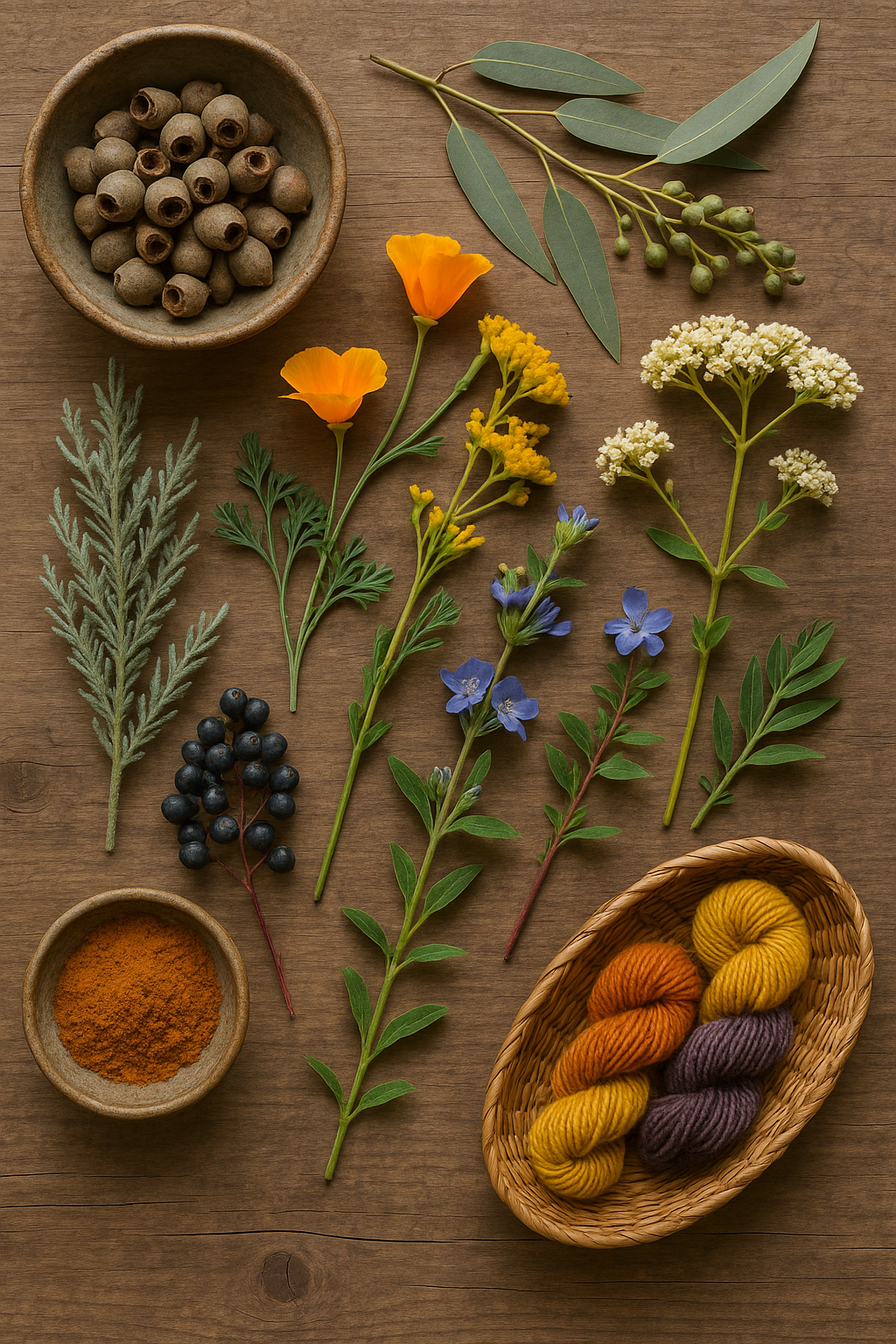
Dye gardens, rich in color and diversity, serve not only as sources of artistic inspiration but also embody a connection to our environment and heritage. In California, the landscape boasts a unique array of native plants that have been used for generations to create stunning dyes. This article explores the wonders of California-native dye plants, providing a comprehensive guide on how to cultivate these plants and harness their potential.
Understanding the Importance of Native Dye Plants
Before diving into specific plants, let’s first explore why cultivating a dye garden with California natives is beneficial.
1. Environmental Adaptation
California natives are well-adapted to the state’s diverse climates and soils. Their resilience reduces the need for excessive watering, pesticides, and fertilizers, making them environmentally friendly choices for your garden.
2. Cultural Heritage
Many Californian Native American tribes have utilized these plants for centuries, weaving natural dyes into their cultural fabric. Cultivating these plants can offer a meaningful connection to the past and an opportunity to honor indigenous practices.
3. Biodiversity and Wildlife Support
Native plants support local ecosystems, providing habitat and food for various wildlife, including birds, butterflies, and other beneficial insects. A dye garden can contribute to biodiversity, enhancing the local environment.
Frequently Asked Questions about California Native Dye Plants
What are some common California native dye plants?
Here’s a non-exhaustive list of notable California-native plants suitable for dyeing:
- California Poppy (Eschscholzia californica)
- Blackberries (Rubus spp.)
- Madder Root (Rubia spp.)
- Marshmallow (Althaea officinalis)
- Coyote Mint (Monardella spp.)
- Goldenrod (Solidago spp.)
- Lichen (various species)
- Indigo (Indigofera spp.)
What colors do these plants produce?
- California Poppy: Produces shades of yellow and orange.
- Blackberries: Creates deep purples and blues.
- Madder Root: Produces vibrant reds.
- Marshmallow: Offers soft pastels, including pinks and creams.
- Coyote Mint: Yields pastel greens and yellows.
- Goldenrod: Generates bright golds and yellows.
- Lichen: The colors can vary ranging from gray to rich greens.
- Indigo: Shades of blue and green.
How do I prepare these plants for dyeing?
The preparation process typically involves:
-
Harvesting: Collect plant material at the right time, preferably when they’re in full bloom or at their peak color.
-
Mordanting: This step prepares the fiber to absorb the dye. Common mordants for plant-based dyes include alum and tin. Always ensure to follow safety precautions when handling mordants.
-
Extracting the Dye:
- Chop the plant material into smaller pieces to increase surface area.
- Simmer the plant matter in water for a period (usually 1 to 2 hours), allowing the dye to leach into the liquid.
-
Dyeing: After mordanting your fiber, it can be submerged in the dye bath and simmered for 30 minutes to several hours, depending on the desired color depth.
-
Rinsing and Drying: Rinse dyed material under cool water until the water runs clear, then hang it to dry out of direct sunlight.
Are there any cultural practices associated with these plants?
Yes! Many indigenous cultures use these plants in traditional ceremonies, artwork, and daily practices. For example, California Poppy is often seen in indigenous folklore, symbolizing joy and the ephemeral nature of life. Using these plants in your dye garden promotes the continuation of these cultural practices and respect for native traditions.
Exploring Key California Native Dye Plants
1. California Poppy (Eschscholzia californica)
California’s state flower, the California Poppy, offers vibrant hues of yellow and orange. Not only is it beautiful, but it also produces a dye that can add warmth to any textile.
Cultivation Tips:
- Best sown in the fall or early spring.
- Prefers well-drained soil and full sun.
- Drought tolerant once established.
2. Blackberries (Rubus spp.)
Common throughout California, blackberries yield rich purples and blues. Beyond being delicious, they are revered for their dyeing capabilities.
Cultivation Tips:
- Prune regularly to manage growth.
- Requires full sunlight and well-draining soil.
- Best harvested in late summer when the berries are at their peak.
3. Madder Root (Rubia spp.)
Although not exclusively native, Madder can be found in California and produces stunning red hues. It has a long history in textile dyeing.
Cultivation Tips:
- Plant in well-drained soil with moderate moisture.
- Grows well in sun to partial shade.
4. Marshmallow (Althaea officinalis)
While technically not native to California, this plant has adapted well to the Southwestern climate and produces lovely pastel dyes.
Cultivation Tips:
- Prefers rich, moist soils.
- Full sun is ideal.
- Harvest roots in the fall for dyeing.
5. Coyote Mint (Monardella spp.)
With its fragrant leaves, Coyote Mint can produce soft pastel greens and yellows. It’s adept at attracting pollinators.
Cultivation Tips:
- Thrives in dry, rocky soils.
- Drought-tolerant and best suited for full sun.
6. Goldenrod (Solidago spp.)
Often seen as a weed, Goldenrod produces brilliant yellows and golds.
Cultivation Tips:
- Prefers well-drained soils and sunny locations.
- Regular deadheading encourages bushy growth.
7. Lichen
California’s diverse lichen populations provide an array of colors, primarily muted grays and greens.
Harvesting Tips:
- Ethical collection: only collect small amounts of lichen from healthy patches to ensure their survival.
8. Indigo (Indigofera spp.)
While more prevalent in tropical regions, some native California species have been found and utilized, creating deep blues.
Cultivation Tips:
- Requires well-drained soil and plenty of sunlight.
- Needs regular moisture during growing seasons.
Creating the Perfect Dye Garden
Site Selection and Preparation
-
Location: Choose a sunny spot with well-draining soil. Some plants, like California poppy and blackberries, thrive on dry conditions while others might prefer slightly moister soils, so plan well.
-
Soil Health: Enhance soil with organic matter, such as compost, to increase fertility and moisture retention.
-
Layout: Group similar plants as many have similar care requirements. Implement companion planting where some plants benefit others.
Maintaining Your Dye Garden
-
Watering: Establish an efficient watering system. Drip irrigation is ideal to conserve water.
-
Mulching: Apply mulch to control weeds, retain moisture, and improve soil quality.
-
Pest Management: Promote beneficial insects by planting a variety of flowers, and avoid chemical pesticides.
-
Harvesting: Consult the best practices for each plant regarding the right time to harvest for optimal dye production.
Creating a Sustainable Dyeing Habit
Ethical Dyeing Practices
Respect local ecosystems and utilize sustainable practices.
-
Harvesting Practices: Avoid over-harvesting by taking only what you need, particularly with wild plants.
-
Soil Kindness: Use organic practices for your garden, reducing chemical inputs that could leach into the soil and water supply.
-
Education: Attend local workshops or burn events to educate yourself on the cultural significance of these plants.
Experimenting with Color
Encourage creativity by experimenting with combinations of plants for complex hues and shades. Follow these steps:
-
Mixing Colors: Combine dyes from different plants for unique colors, or over-dye using a secondary plant for even richer tones.
-
Innovative Techniques: Explore techniques like shibori or tie-dye to enhance the patterns made with natural dyes.
-
Record-Keeping: Keep a detailed journal of your dye processes, noting colors, mordants used, and results. This way, you can refine your methods over time.
Conclusion: The Gift of a Dye Garden
A California native dye garden is more than just a collection of plants; it’s a holistic journey that weaves together art, culture, and environmental appreciation. By fostering these plants, we not only nourish our creative souls but also contribute to preserving the environment and honoring the cultures that have cherished them for centuries.
Cultivating these native plants and learning their dyeing methods can be gratifying, enlightening, and an opportunity for meaningful connections with our heritage and landscape. Whether you are a novice gardener, an artist seeking vibrant textiles, or someone looking to deepen your ecological conscience, growing a dye garden with California natives unfolds a colorful world waiting to be explored. Embrace the adventure, and allow your creativity to blossom.