
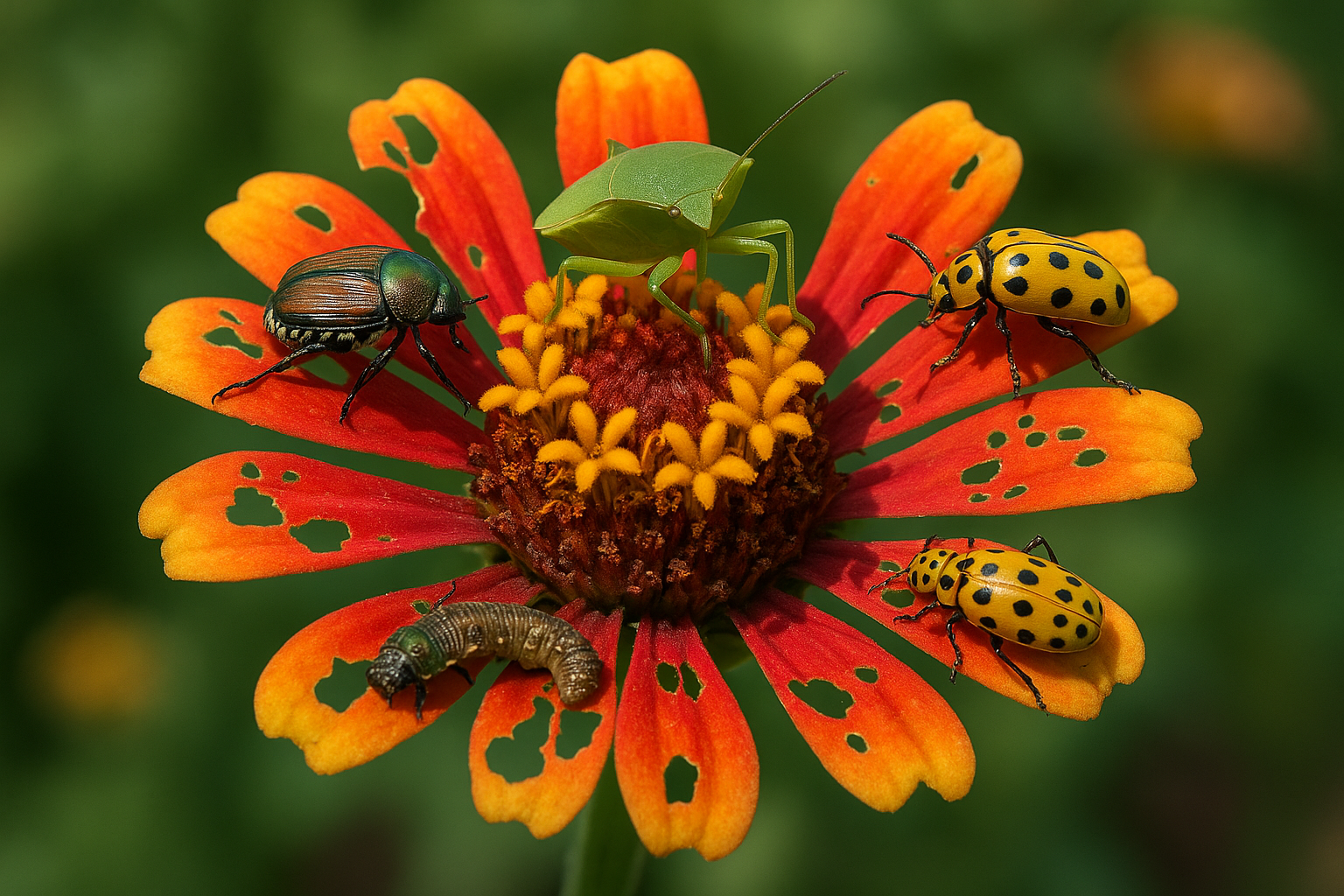
When we think about the delicate beauty of flowers, often it is their vivid hues and sweet fragrances that capture our attention. However, lurking amongst the petals and foliage are fascinating creatures that interact with these blooms in ways that may surprise us. Flowers, often romanticized in poetry and art, are not just for bees and butterflies; they are also essential resources for a plethora of bugs, some of which dedicate their lifespans to consuming these floral wonders.
In this article, we will delve deep into the world of flower-eating bugs, exploring their ecological roles, life cycles, and the often-misunderstood relationships they forge with the plants they consume. We will also answer common questions that people have about these extraordinary creatures, shedding light on their significance in the broader context of our ecosystems.
Understanding the Basics: What are Flower-Eating Bugs?
What Types of Bugs Eat Flowers?
Flower-eating bugs come from various insect groups, each with unique adaptations and behaviors. Some notable categories include:
-
Larvae of Beetles (Coleoptera): Many beetle larvae have a particular affinity for flowers. For instance, the larvae of certain species of weevils and longhorn beetles consider flower buds a delicacy, often causing significant damage.
-
Butterflies and Moths (Lepidoptera): While adult butterflies and moths typically feed on nectar, their larvae (caterpillars) may consume flower petals, leaves, or even seeds from specific plants. The cabbage white caterpillar, for example, loves to munch on the flowers of plants within the Brassicaceae family.
-
Aphids (Hemiptera): Small but notorious, aphids suck the sap from flowers and young shoots, often leading to deformed blooms or stunted plants. These sap-sucking insects come in many species, with some specifically targeting certain flowers.
-
Leafcutter Ants (Formicidae): Though usually associated with leaves, these incredible insects often harvest flowers to cultivate fungus, which serves as their primary food source.
-
Flower Thrips (Thysanoptera): These minuscule insects feed on the petals and reproductive parts of flowers. They can cause cosmetic damage as well as affect plant health and productivity.
How Do These Bugs Affect Flower Health?
While the sight of bugs munching on flowers can be alarming, it’s essential to understand that many of these interactions are part of natural ecosystems. Flower-eating insects can have mixed effects on plant health:
-
Pollination: Surprisingly, some insects that consume flowers also aid in pollination. As they move from bloom to bloom, they inadvertently transfer pollen, helping plants reproduce.
-
Healthy Pruning: In some cases, the feeding by insects like caterpillars can promote new growth. By consuming older flower buds, they may encourage the plant to produce new shoots and blooms, resulting in a healthier, bushier plant.
-
Pest Control: The presence of certain bugs can trigger a plant’s defense mechanisms, which may help keep pest populations in check. When consumed by insects, plants often produce compounds that deter further herbivores.
-
Biodiversity: Bugs that eat flowers play a role in a balanced ecosystem by contributing to species diversity. They form part of the food chain, serving as prey for birds, amphibians, and other insectivores.
The Life Cycle of Flower-Eating Bugs
What is the Life Cycle of These Bugs Like?
The life cycle of flower-eating bugs varies by species, but they generally follow a pattern of metamorphosis:
-
Egg Stage: The lifecycle begins when adult insects lay eggs on or near flowers. For example, aphids often lay their eggs on the undersides of petals or in crevices, where they are less likely to be noticed.
-
Larval or Nymph Stage: After hatching, the nymphs (for aphids and thrips) or larvae (for beetles and moths) emerge. These stage-specific bugs often have voracious appetites, consuming flower petals, leaves, and sometimes even seeds or nectar.
-
Pupal Stage: Certain species, such as butterflies, enter a pupal stage where they transform. This stage may occur on or near the flowers they fed upon as larvae, further integrating them into the floral ecosystem.
-
Adult Stage: Finally, the insects emerge as adults, ready to reproduce. Many will continue to feed on flowers, now moving from petal to petal, seeking out nectar and pollen and often inadvertently playing their part in the plant’s reproductive cycle.
How Long Do They Live?
The lifespan of flower-eating bugs can vary significantly:
-
Aphids can live from a few weeks to several months, depending on environmental conditions and predator presence.
-
Butterflies may live from a few weeks to several months, with species like the Monarch butterfly living longer through migration periods.
-
Beetles tend to have longer lifespans, sometimes lasting several years, particularly in a larval stage that may overwinter in the soil or flowers.
Fascinating Interactions: Bugs and Flowers
Do All Flower-Eating Bugs Harm Plants?
While flower-eating bugs can damage plants, not all interactions are disastrous. Here are a few examples of beneficial relationships:
-
Pollination Partners: Many flower-eating insects inadvertently contribute to pollination, helping plants reproduce while they forage for food.
-
Symbiotic Relationships: Certain bugs, like ants and aphids, engage in mutualistic relationships. Ants protect aphids from predators, and in return, they benefit from the sweet honeydew secretion that aphids produce.
What Are Some Notable Flower-Eating Insects?
-
The Japanese Beetle (Popillia japonica): This shiny beetle is infamous for its appetite for flowers such as roses and hibiscus. Though they can decimate flower petals, their larval form plays a significant role in soil aeration and nutrient cycling.
-
The Common Buckeye Caterpillar (Junonia coenia): This caterpillar enjoys munching on various flowers, including those in the snapdragon family. The adult butterfly emerges with a striking pattern, showing the interconnectedness of consumption and beauty.
-
Flower Midge (Contarina spp.): Often overlooked, these tiny flies lay their eggs in flower buds. The larvae grow within the plant tissues, causing galls, but they can also create new habitats for other insects and beneficial fungi.
Ecological Impacts: The Bigger Picture
Why Should We Care About Flower-Eating Bugs?
Flower-eating bugs serve multiple roles in their ecosystems, supporting plant health and offering numerous ecological services:
-
Biodiversity Enhancement: By coexisting with their plant hosts, these insects promote genetic diversity and resilience within plant populations.
-
Food Source: Many flower-eating insects serve as critical food sources for higher trophic levels, such as birds and mammals. Their placement in the food chain emphasizes their importance in maintaining healthy ecosystems.
-
Indicators of Environmental Health: Changes in insect populations can indicate shifts in environmental conditions. A decrease in flower-eating bug populations may signal pesticide toxicity or habitat degradation.
Are Flower-Eating Bugs Considered Pests?
The term “pest” is often subjective and can vary depending on the context. While many flower-eating bugs may damage crops or ornamental plants, they can also offer ecological benefits. Integrated Pest Management (IPM) recognizes the importance of balancing pest control measures while considering the roles of beneficial insects in agriculture and horticulture.
Practical Applications: Managing Flower-Eating Bugs
How Can Gardeners Coexist with These Bugs?
-
Encourage Beneficial Insects: Planting a variety of flowers can attract pollinators and predatory insects that naturally control harmful populations.
-
Diverse Planting: Creating a diverse garden with native plants encourages a robust ecosystem where flower-eating bugs can find their niches without overwhelming the garden.
-
Use Organic Solutions: When pest populations get out of control, organic pesticides and natural remedies (like neem oil or insecticidal soap) can manage populations without harming beneficial insects.
-
Regular Monitoring: Keeping an eye on plants allows early detection of any problematic bug species, making it easier to manage their populations effectively.
What Are Some Common Myths About Flower-Eating Bugs?
-
Myth: All bugs that eat flowers should be eradicated.
- Fact: While some insects can be harmful, many others are crucial to the ecosystem. Managing rather than eliminating insect populations is a more sustainable approach.
-
Myth: Only large bugs affect flowers.
- Fact: Small insects like aphids and thrips can cause significant damage to flowers and plants, often more so than larger species.
-
Myth: Bugs are the main cause of flower decline.
- Fact: Multiple factors, including environmental stressors, diseases, and climate conditions, contribute to flower health. Bugs are just one piece of the puzzle.
Conclusion: Embracing the Complexity of Nature
Bugs that eat flowers are not merely pests but complex creatures playing significant roles in the web of life. From pollination to contributing to soil health, their interactions with flowers illustrate the delicate balance of nature. By fostering awareness and empathy toward these intriguing insects, we can appreciate the broader ecological narratives they represent.
While flowers and insects may seem like an unlikely pair, their relationship is essential for maintaining vibrant ecosystems. The next time you stop to smell the roses or admire a colorful bloom, take a moment to consider the myriad bugs that share this space. They are more than just flower munchers; they are vital players in nature’s stunning symphony. Through respectful coexistence, we can nurture our gardens while also embracing the beauty and complexity of life that surrounds us. Learn to love and appreciate these tiny ecosystems at work, recognizing that even the smallest bugs have essential stories to tell.