
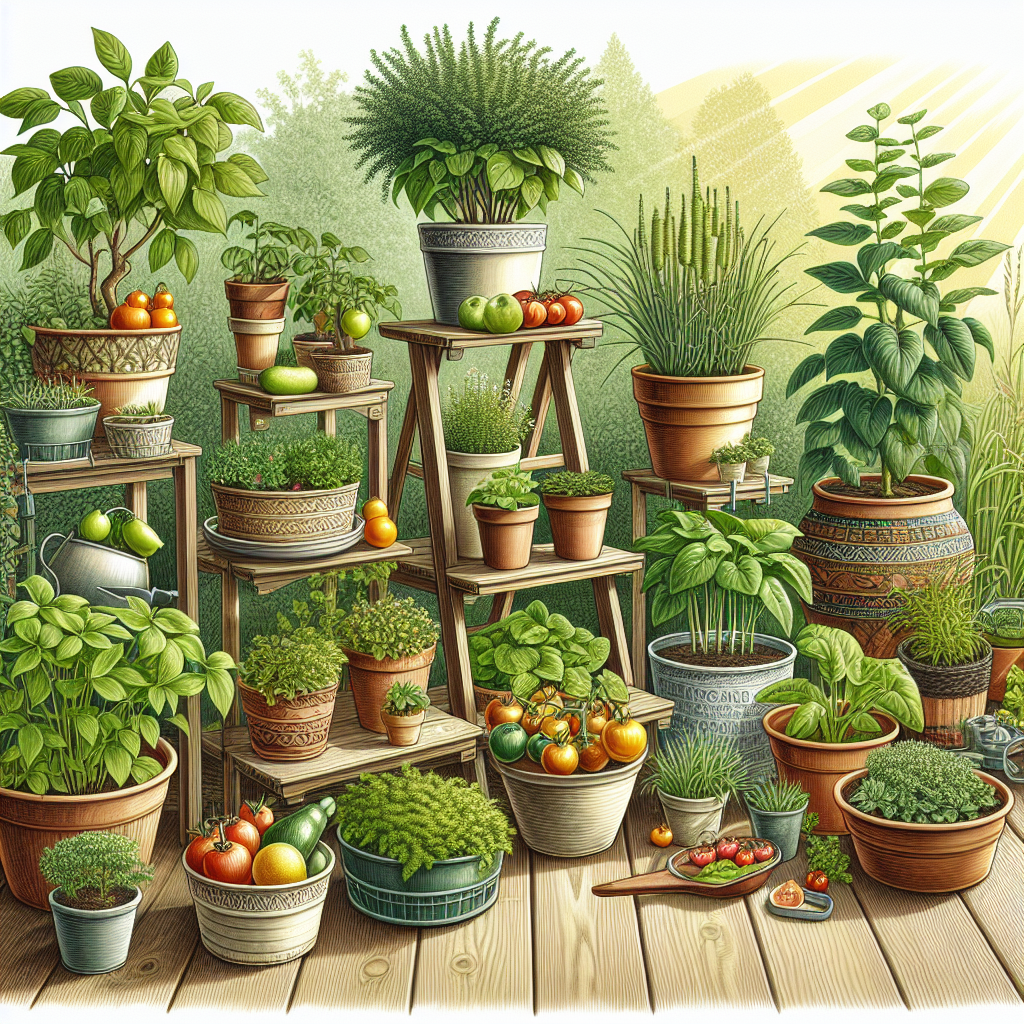
As cities expand and urban landscapes become more concrete, the idea of gardening often seems like a distant dream. But fear not! Container gardening offers a potent solution to those seeking greenery amid the gray. This method not only fits into the tightest of spaces but also comes with a plethora of benefits that can transform your living environment. In this deep dive, we’ll explore the multifaceted advantages of container gardening, address common questions, and illuminate how it can be an enriching experience in many aspects of life.
What is Container Gardening?
Container gardening refers to the practice of growing plants in pots or containers rather than in the ground. This can range from growing herbs on a windowsill to cultivating vegetables or flowers on a balcony. With various container sizes and types, almost anyone can engage in container gardening, irrespective of their living situation.
1. Accessibility
Why is container gardening more accessible than traditional gardening?
Container gardening allows individuals with various physical abilities to enjoy the pleasures of gardening. For those with mobility issues, raised beds and containers can be placed at an appropriate height, making it easier to reach plants without the need for bending or kneeling. This inclusivity makes gardening an enjoyable activity for people of all ages.
Can I garden if I live in an apartment?
Absolutely! Container gardening is perfect for apartments and balconies. In fact, many urban dwellers find that they can create lush, vibrant gardens in small spaces. You can start simple with herbs like basil, mint, and parsley on a windowsill or go big with larger containers for tomatoes and green peppers on your balcony.
2. Customization and Versatility
How can container gardening be customized?
One of the most significant benefits of container gardening is the ability to customize it to suit your needs and aesthetic preferences. You can choose the types of containers, colors, and materials—ranging from terracotta pots to modern, sleek metal containers. Additionally, the arrangement can be easily modified to enhance visual appeal.
What plants can I grow in containers?
Virtually any plant can grow in a container, but some are particularly well-suited, including:
- Herbs: Basil, thyme, and cilantro thrive in smaller pots.
- Vegetables: Tomatoes, peppers, and cucumbers can flourish in larger containers.
- Flowers: Annuals and perennials, like marigolds and petunias, add color and beauty.
3. Space Efficiency
How does container gardening maximize space?
Container gardening allows you to utilize vertical spaces and corners that would otherwise remain barren. You can stack pots, use hanging planters, or take advantage of shelves. Moreover, this method can transform any underutilized area into a lush garden oasis.
Can I grow food in a small space?
Indeed! Container gardening makes it possible to cultivate your own food dramatically. By dedicating just a small balcony or patio area, you can grow fresh vegetables, herbs, and even fruit, significantly reducing your reliance on store-bought produce.
4. Enhanced Aesthetics
Can container gardens improve the look of my living space?
An emphatic “yes!” Container gardening embellishes your surroundings. Whether you want a vibrant color palette or wish to create a serene green retreat, a well-planned container garden can enhance your home’s curb appeal and interior décor.
What are some creative container garden ideas?
- Terracotta and Succulents: Create a southwestern-inspired garden using terracotta pots with various succulent species.
- Vertical Gardening: Utilize wall-mounted planters or hanging pots to incorporate greenery without taking up much floor space.
- Themed Gardens: Create thematic sections like a kitchen herb garden right outside your door, allowing for easy access while cooking.
5. Control Over Soil and Nutrients
How does container gardening allow for better control over soil quality?
In container gardening, you have complete control over the soil composition, enabling you to tailor it to the specific needs of your plants. Using a quality potting mix ensures good drainage, aeration, and nutrient-rich content.
Can I optimize nutrient availability?
Yes! Since you are in control of what goes into the container, you can regularly amend the soil with compost or fertilizers tailored to your plants, optimizing nutrient availability. This can lead to healthier plants and greater yields in vegetable gardening.
6. Pest Management
Is container gardening better for pest control?
Container gardens can be more manageable when it comes to pest control. Since the plants are not directly in the ground, they are less susceptible to certain soil-borne pests. You can easily relocate pots away from troublesome insects or diseases, and using natural pest deterrents can be more straightforward.
Are there specific pests I should be aware of?
Common pests that can affect container gardens include aphids, spider mites, and fungal gnats. Regular inspections and the use of organic pest control measures, such as insecticidal soap or neem oil, can help maintain a healthy garden.
7. Mobility and Adaptability
Can I move my container garden around?
Definitely! One of the most significant advantages of container gardening is mobility. This allows you to adjust the placement of your plants to optimize sunlight, shade, and aesthetics. If you want to bring your herbs inside during inclement weather, it couldn’t be easier!
How does adaptability benefit my gardening experience?
The flexibility allows you to experiment with different plant combinations, redesign your space, and make the most of changing weather conditions or seasonal changes. You may also find that some plants perform better in specific spots, leading to a customized gardening approach.
8. Eco-Friendly Gardening
Is container gardening sustainable?
Container gardening can be a sustainable practice. By growing your own plants, especially food crops, you significantly reduce your carbon footprint associated with commercial agriculture—the energy consumed in transportation, packaging, and storage of produce can be quite taxing on the environment.
How can I make my container garden more eco-friendly?
- Use organic fertilizers: These are better for the environment and your health.
- Rainwater harvesting: Collect rainwater to water your plants, reducing demand on local water sources.
- Composting: Create your compost using kitchen scraps to enrich your soil naturally.
9. Therapeutic Benefits
How does gardening contribute to mental health?
Engaging with nature has been shown to have numerous mental health benefits, including reducing stress and anxiety, improving mood, and fostering a sense of accomplishment. Container gardening encourages people to slow down, cultivate mindfulness, and connect with the cycles of life.
Can container gardening improve my overall well-being?
Studies suggest that gardening increases physical activity, which is vital for good health. It can also provide fresh produce, encouraging healthier eating habits. Additionally, the act of nurturing a living thing offers emotional gratification, as you witness your plants grow.
10. Educational Opportunities
How can container gardening serve as an educational tool?
Container gardening is a hands-on way to learn about botany, ecology, and the food system. It offers a practical experience that can be particularly valuable in educational settings.
What skills can I learn through container gardening?
Engaging in container gardening can teach you:
- Botanical knowledge: Understanding different plants and their needs.
- Ecosystem awareness: Recognizing the interplay between plants, pollinators, and soil health.
- Responsibility and patience: Caring for plants fosters a sense of responsibility and the understanding that growth takes time.
Conclusion
Container gardening is a rich and rewarding journey that can fit into the tiniest of spaces while making a world of difference. From improving urban aesthetics and conserving resources to providing therapeutic benefits and educational tools, the positives of this gardening practice are innumerable.
As you embark on this journey, remember that every container tells a story. Each plant represents an opportunity to connect with nature, nurture a living thing, and contribute positively to your immediate environment. So bring home that pot, gather some seeds, and let the beauty of container gardening blossom in your life!