
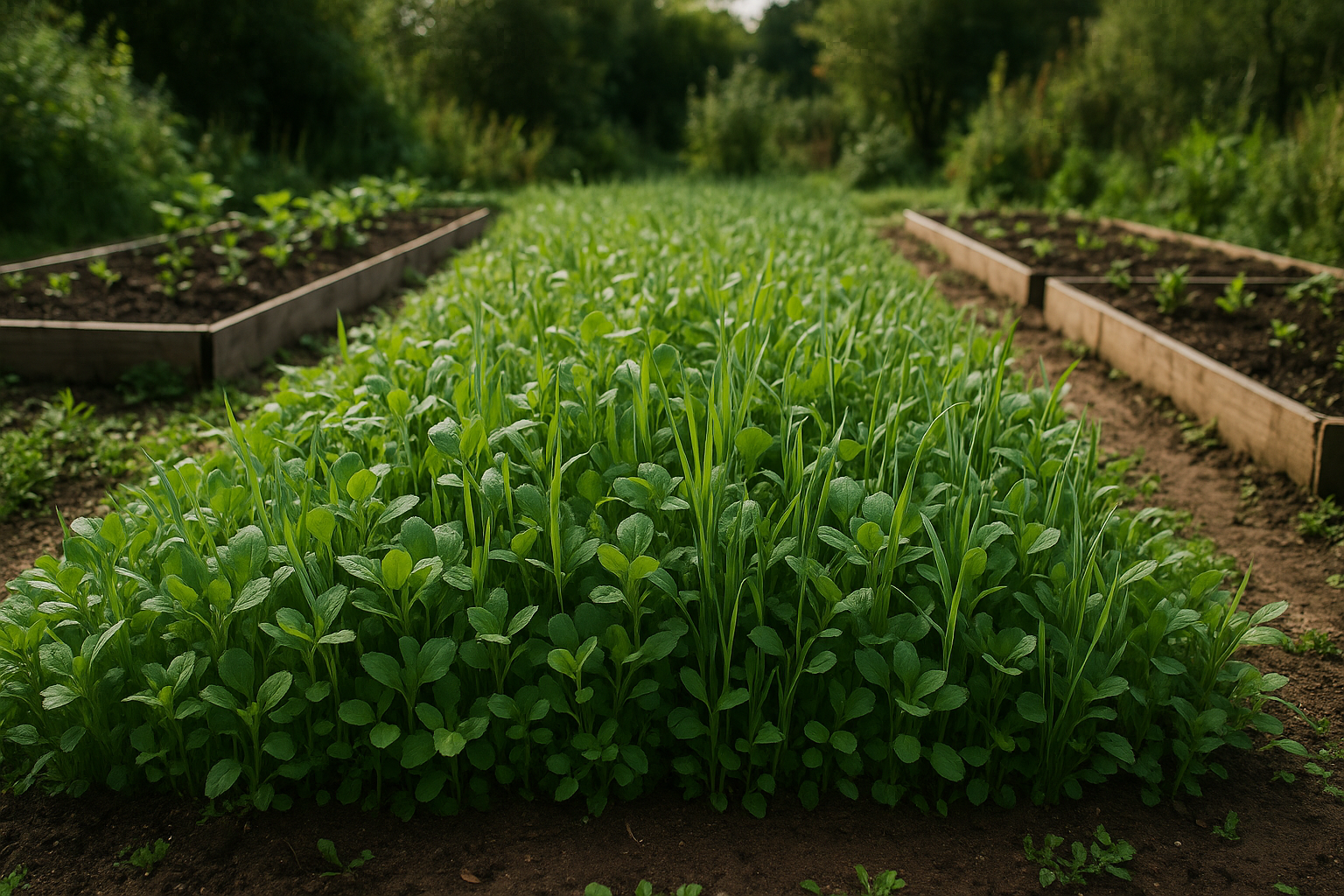
As gardeners, we are always seeking ways to rejuvenate our soil, enhance biodiversity, and maximize yields in the most sustainable manner possible. One often overlooked yet incredibly effective strategy is the use of cover crops. This detailed guide will explore what cover crops are, their benefits, how to choose the right ones for your garden, best planting practices, and maintenance tips. By the end of this article, you’ll be well-equipped to embrace this fantastic gardening technique that not only benefits your garden but also the environment as a whole.
What Are Cover Crops?
Cover crops are plants grown primarily to improve soil health rather than for harvest. These plants are typically cultivated in the off-seasons when the garden beds would otherwise lie fallow. Cover crops serve multiple purposes, such as preventing soil erosion, enhancing soil fertility, controlling weeds, and improving water retention.
Why Plant Cover Crops?
The reasons for planting cover crops are extensive. Here’s a closer look:
-
Soil Health Improvement: Cover crops improve soil structure and fertility, contributing to better plant growth.
-
Nitrogen Fixation: Leguminous cover crops, such as clover and beans, can fix nitrogen in the soil, enriching it for subsequent crops.
-
Weed Suppression: A lush cover crop can effectively outcompete weeds, reducing the need for herbicides.
-
Erosion Control: The root systems of cover crops stabilize the soil and reduce erosion, especially on sloped surfaces.
-
Moisture Retention: Cover crops can help retain soil moisture by reducing evaporation.
-
Biodiversity Boost: Introducing different plant species into your garden can enhance biodiversity, attracting beneficial organisms.
-
Pest Management: Some cover crops can deter harmful pests, providing a natural form of pest control.
Frequently Asked Questions About Cover Crops
1. What Types of Cover Crops Should I Use?
The choice of cover crop depends on your climate, soil type, and intended benefits. Some popular options include:
- Legumes (e.g., clover, vetch): Excellent for nitrogen fixation.
- Cereal Grains (e.g., rye, oats): Great for suppressing weeds and reducing erosion.
- Broadleaf Plants (e.g., mustard, radish): Help break up compacted soil and improve structure.
2. When Should I Plant Cover Crops?
Cover crops are typically sown at the end of the growing season, usually in late summer or early fall, depending on your hardiness zone. They can also be planted early in the spring before annual crops are sown.
3. How Do I Incorporate Cover Crops into My Garden?
To effectively incorporate cover crops into your gardening routine, follow these steps:
-
Preparation: Clear your garden of debris and weeds before sowing your cover crop.
-
Sowing: Depending on the variety, sow seeds either by broadcasting them over the soil or drilling them directly into the soil.
-
Termination: Most cover crops will need to be terminated before your main planting season. This can be done through mowing, tilling, or using a roller-crimper.
4. What Are the Best Practices for Maintaining Cover Crops?
Proper maintenance can make a significant difference in the effectiveness of your cover crops. Here’s how to do it:
- Watering: Ensure your cover crops receive adequate moisture, especially during dry spells.
- Monitoring: Keep an eye on growth and health, looking out for signs of pest infestations or diseases.
- Timing: Remember to terminate the cover crop a few weeks before planting your main crops to allow for decomposition of the biomass.
5. Can I Use Cover Crops in a Small Garden?
Absolutely! Even small spaces can benefit from cover crops. Small-scale gardeners can opt for less invasive varieties or grow cover crops in specific beds while leaving others for immediate planting.
6. How Do Cover Crops Affect Soil Microbes?
Cover crops promote a rich biological community in the soil by providing food and habitat for various microorganisms. This increased microbial activity helps break down organic matter, enhancing nutrient availability for subsequent crops.
7. Will Cover Crops Compete with My Main Crops?
While cover crops are meant to grow without competing with your main crops, careful timing is crucial. Terminating them before planting your main crops will ensure they don’t outgrow and absorb essential nutrients.
Choosing the Right Cover Crop
Choosing the right cover crop is critical for optimizing its benefits. Here are the major considerations:
Climate
- Mild Winters: In regions with milder winters, you can grow more tender cover crops, such as clover and peas.
- Cold Climates: In colder regions, select winter-hardy crops like rye or winter wheat.
Soil Type
- Clay Soils: Consider cover crops with deep taproots, such as radishes, which help break up compacted soils.
- Sandy Soils: Plants with fibrous root systems can help improve water retention.
Specific Goals
- For nitrogen fixation, go for legumes like hairy vetch or red clover.
- For soil structure improvement, plant daikon radishes or buckwheat.
Best Practices for Planting Cover Crops
1. Timing and Preparation
- Clear the Site: Remove weeds and leftover plant debris from your garden.
- Check Soil Temperature: Most cover crops germinate best in soil temperatures above 50°F (10°C).
2. Sowing Techniques
- Broadcasting: Scatter the seeds evenly over the prepared soil and incorporate lightly.
- Drilling: Use a seed drill for more precise planting; this method encourages better seed-soil contact.
3. Maintenance
- Monitor Growth: Check regularly for overall health and growth rates. Adjust watering and nutrient requirements as needed.
- Termination Methods: Use the method that best suits your garden setup; for instance, a mower may be best suited for small gardens.
The Ecological Benefits of Cover Crops
Planting cover crops enhances not only your garden’s productivity but also contributes to wider ecological health. Here’s how:
Soil Biodiversity
By introducing various plant species into your garden, you create a more diverse ecosystem. This diversity can help support beneficial insects, pollinators, and microorganisms.
Carbon Sequestration
Plants absorb carbon dioxide during photosynthesis. By planting cover crops, you can contribute to reducing atmospheric CO2 levels, actively sequestering carbon in the soil.
Water Management
Cover crops help improve the soil’s water retention capacity, reducing runoff and promoting more efficient use of rainwater or irrigation.
Beyond the Basics: Advanced Considerations
1. Multi-Species Cover Crop Mixes
Just as crop rotation is beneficial, planting a mixture of cover crops can maximize ecological benefits. Combining legumes with grains or broadleaf plants can enhance nutrient cycling, pest management, and soil structure.
2. Season Extension
Cover crops like clover and winter rye can be used strategically in combination with other crops to maximize the growing seasons.
3. Organic Farmers and Certification
Organic farms can utilize cover crops as a sustainable practice that aligns with certifying standards, making them a valuable asset in maintaining organic integrity.
What to Expect After Planting
Once you’ve planted your cover crops, observe the following:
- Growth: Expect lush green coverage, which indicates effective growth.
- Nutrient Cycling: You’ll notice improved soil fertility over time, particularly if you’ve chosen nitrogen-fixing legumes.
- Soil Structure: After tilling or incorporating the cover crops into the soil, you should see improved soil texture and aeration.
Conclusion
Cover crops are an invaluable tool in creating a thriving, sustainable garden. From enhancing soil health to promoting biodiversity, their advantages are plentiful and integral to the success of modern gardening practices. By taking the time to understand how to select, plant, and maintain cover crops, you can transform your gardening experience and contribute positively to the environment.
Arming yourself with the knowledge from this guide means you’re not just gardening—you’re cultivating a healthier earth. So, roll up your sleeves, grab your seeds, and let’s get planting!