
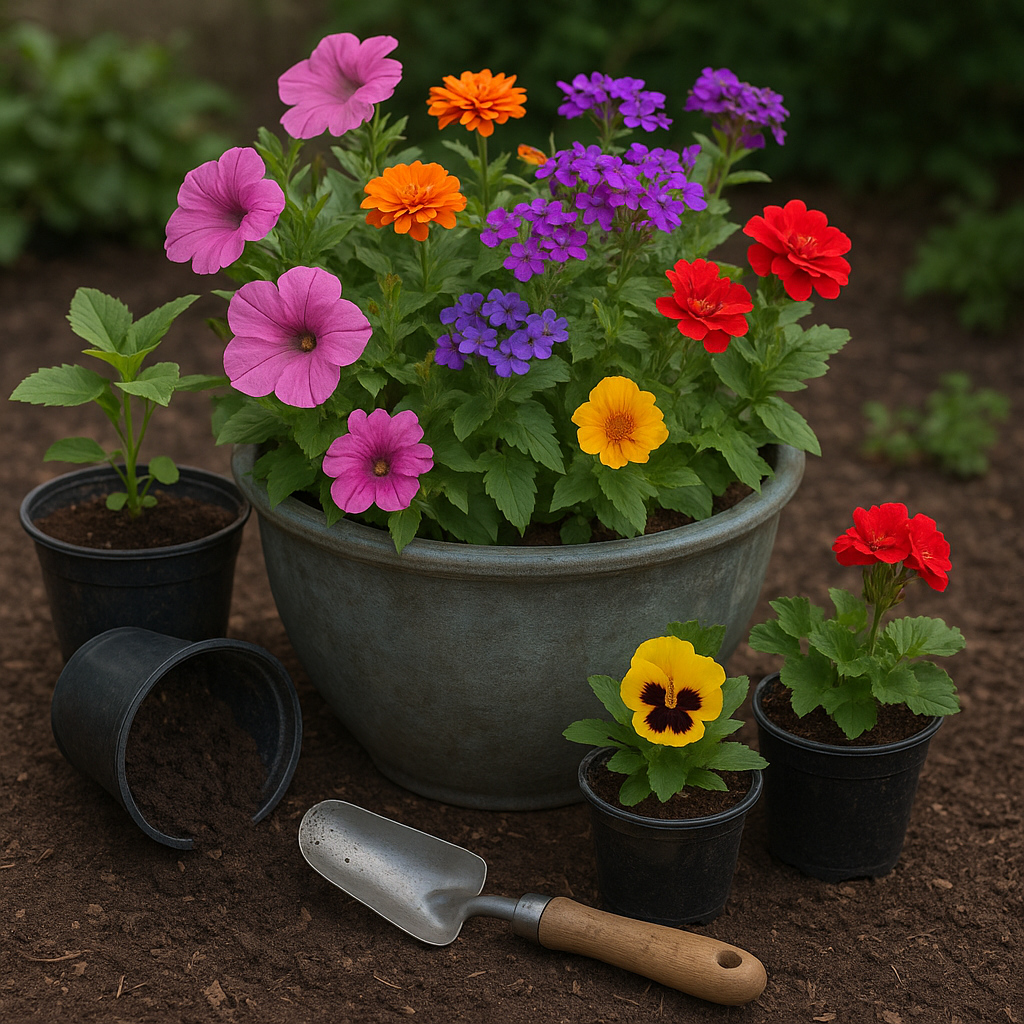
Planting annuals in pots is a gratifying and colorful way to enhance your garden, balcony, patio, or even your indoor living space. These vibrant flowers, known for their bright blooms and diverse characteristics, offer countless benefits and serve as excellent companions for your outdoor and indoor decor. Not only do they add stunning visuals to your surroundings, but they also contribute to mental well-being, foster creativity, and provide an outlet for nurturing instincts. This article will explore the ins and outs of planting annuals in pots, addressing key questions and providing insight that will empower you to cultivate your own botanical masterpiece.
What Are Annuals and Why Choose Them for Potted Planting?
What Are Annuals?
Annuals are flowering plants that complete their life cycle within one growing season, from germination to flowering and seeding. They thrive, bloom, and die in a single year, after which they must be replanted for the following season. Some popular annuals include:
- Petunias
- Marigolds
- Zinnias
- Pansies
- Geraniums
Annuals are characterized by their exuberant growth and remarkable adaptability, making them perfect candidates for container gardening.
Advantages of Planting Annuals in Pots
-
Flexibility and Mobility: One of the greatest advantages of planting annuals in pots is the ability to rearrange them as you see fit. This mobility allows you to experiment with different configurations, colors, and styles throughout the growing season.
-
Space Efficiency: Containers enable you to maximize small spaces—a vital asset for urban gardening or those with limited outdoor space.
-
Diverse Aesthetics: With a wide array of colors, shapes, and fragrances, annuals can be tailored to complement your personal style and enhance the ambiance of any space.
-
Controlled Environment: Pots can offer a controlled growing environment, which can be beneficial for managing soil quality, moisture levels, and even aesthetic design.
-
Extended Blooming Period: Many annuals bloom for a long period, ensuring that your pots remain vibrant and eye-catching throughout the growing season.
Choosing the Right Annuals for Your Space
How Do I Select the Best Annuals for My Containers?
When selecting annuals for your potted plants, consider the following factors:
-
Growing Conditions: Assess the light conditions of your selected space. Is it sunny, partially shaded, or predominantly shaded? Most annuals thrive in full sun, but many species can tolerate a range of light conditions.
-
Climate: Your local climate plays a significant role in the types of annuals you should plant. Certain species may not thrive in extreme weather conditions. Consider your hardiness zone (the USDA plant hardiness zone is a resourceful tool).
-
Size of Pot: Larger pots can hold more soil and retain moisture longer, whereas smaller pots typically require more frequent watering. It’s important to choose annuals that will thrive with the physical constraints of your containers.
-
Growth Habit: Consider the growth habit of the plants. Trailing plants, such as petunias and lobelias, work beautifully in hanging baskets or cascading pots, while upright varieties like snapdragons and zinnias can provide height and focal points.
Which Annuals Are Best for Containers?
Several annuals are particularly well-suited for container gardening due to their growth habits, aesthetics, and overall resilience. Here are some top choices:
-
Petunias: Known for their vivid colors and sprawling growth, petunias can be used in both upright and trailing forms.
-
Calibrachoa: Often called “million bells,” these mini petunias can create lush cascades over the sides of pots.
-
Geraniums: Perfect for sunny spots, they come in a variety of colors and are relatively low-maintenance.
-
Zinnias: These cheerful blooms are known for their bouquet-like appearance and long-lasting flowers.
-
Marigolds: A great choice for pest deterrence, marigolds are hardy and prolific, making them fantastic annuals for beginner gardeners.
-
Impatiens: Ideal for shady spots, impatiens add color where other flowers might struggle to bloom.
Preparing for Planting Annuals in Pots
What Do I Need to Prepare Before Planting?
-
Quality Containers: Choose pots that have drainage holes to prevent waterlogging. Materials like terracotta, ceramic, or plastic are popular options. Ensure they complement your overall decor.
-
Quality Potting Mix: Invest in a high-quality potting mix that offers good drainage and aeration. Avoid using garden soil, as it may compact in containers and hinder proper drainage.
-
Fertilizer: Many annuals are heavy feeders; choose a slow-release fertilizer that meets the nutritional needs of your plants.
-
Watering Can or Hose: Ensure you have an efficient way to keep your plants well-watered.
-
Gardening Gloves and Tools: Protect your hands and improve efficiency with gloves and tools like trowels and pruners.
How Do I Prepare My Containers?
-
Clean Gently: If you’re reusing pots from previous seasons, wash them with a diluted bleach solution (1 part bleach to 9 parts water) to eliminate any harmful pathogens or pests.
-
Fill with Potting Mix: Fill your pots with fresh potting soil, leaving about 1-2 inches of space from the top, which allows for watering without overflow.
-
Incorporate Fertilizer: Mix in slow-release fertilizer according to package directions to ensure your annuals receive essential nutrients.
Planting Annuals in Pots
What Are the Steps for Planting Annuals?
-
Choose Your Arrangements: Before planting, arrange your plants in their pots without digging holes. This allows you to visualize the final display and make adjustments as necessary.
-
Planting Depth: Most annuals should be planted at the same depth they were in their nursery pots. Dig holes in the potting mix, gently place the seedlings or seeds, and backfill with soil.
-
Water Thoroughly: After planting, water the pots well until water drains from the base. This helps settle the soil and ensures that root systems have immediate access to moisture.
What Should I Avoid While Planting?
-
Overcrowding: Be mindful not to overcrowd your containers. This can lead to competition for resources and increased susceptibility to pests.
-
Planting Too Deep: Always plant at the same depth as in the nursery or even slightly higher to avoid stem rot.
Caring for Your Potted Annuals
What Are the Essential Care Tips?
Once you’ve planted your annuals in pots, care becomes integral to their growth:
-
Watering:
- Check the soil moisture level by sticking your finger about an inch into the soil. If it feels dry, it’s time to water.
- Water deeply and allow excess water to drain from the bottom to promote healthy root development.
-
Fertilization:
- Fertilize every 4-6 weeks with a balanced liquid fertilizer to provide ongoing support for heavy feeders.
-
Pruning and Deadheading:
- Regularly prune back and remove dead flowers to encourage new growth and prolong blooming.
-
Pest and Disease Management:
- Regularly inspect your plants for pests like aphids, spider mites, and whiteflies. Use insecticidal soap or neem oil as a natural pest control method.
-
Sunlight and Temperature:
- Rotate pots to ensure even sunlight exposure. During extreme heat or unexpected cold, move pots to provide protection.
Seasonal Considerations
How to Transition Annuals Through the Seasons?
-
Spring: As temperatures rise in spring, transplant seedlings or young plants into your chosen pots. Watch for any late frosts and have protective coverings ready.
-
Summer: This is the growing season when most annuals thrive. Regular maintenance—especially watering—is essential. Frequent deadheading will also ensure blooming continues throughout summer.
-
Fall: Gradually start transitioning your maintenance. Annuals may begin to look less vibrant as day length decreases. Assess whether to replace them with fall-blooming annuals or other seasonal plants.
Can I Extend the Life of My Annuals?
Yes, by using a few strategies:
- Seasonal Insulation: For colder nights, proper insulation can preserve your annuals, allowing them to thrive longer.
- Indoor Transition: Select hardy annuals that you can transition indoors to continue their lifecycle with tailored care conditions.
Frequently Asked Questions
Can I Grow Annuals Indoors?
Absolutely! Many annuals can thrive indoors if they receive appropriate light and care. Consider varieties like geraniums, impatiens, and petunias that are known to do well in lower light conditions.
How Do I Choose the Right Pot Size for My Annuals?
As a general rule, choose pots that are at least 12 inches in diameter for most annuals. Larger pots allow for better moisture retention and root growth.
How Often Should I Water My Potted Annuals?
Watering needs vary by plant and environmental conditions. Generally, check soil moisture daily during hot weather, and let it dry slightly between waterings.
Can I Save Seeds from Annuals?
Yes, many annuals produce seeds that can be saved for overwintering and planting the following season. Ensure seeds are fully mature and dry before storage.
Will My Annuals Come Back Next Year?
As annuals complete their life cycle in one growing season, they do not return the following year. However, some annuals can reseed themselves if allowed to go to seed.
Conclusion
Planting annuals in pots offers a unique opportunity for creativity, color, and joy in gardening. With a wide variety of species to choose from, the flexibility to rearrange, and the rewarding experience of nurturing life, potting annuals is not only a satisfying hobby but also a pathway to a vibrant, living space. Whether you have a sprawling garden, a cozy balcony, or even indoor windowsills, this floral artistry allows you to express your personal style while cultivating a deeper connection with nature.
So, gather your pots, select your favorite annuals, and get ready to create a stunning display that will brighten your environment and bring joy to your everyday life. Happy planting!