
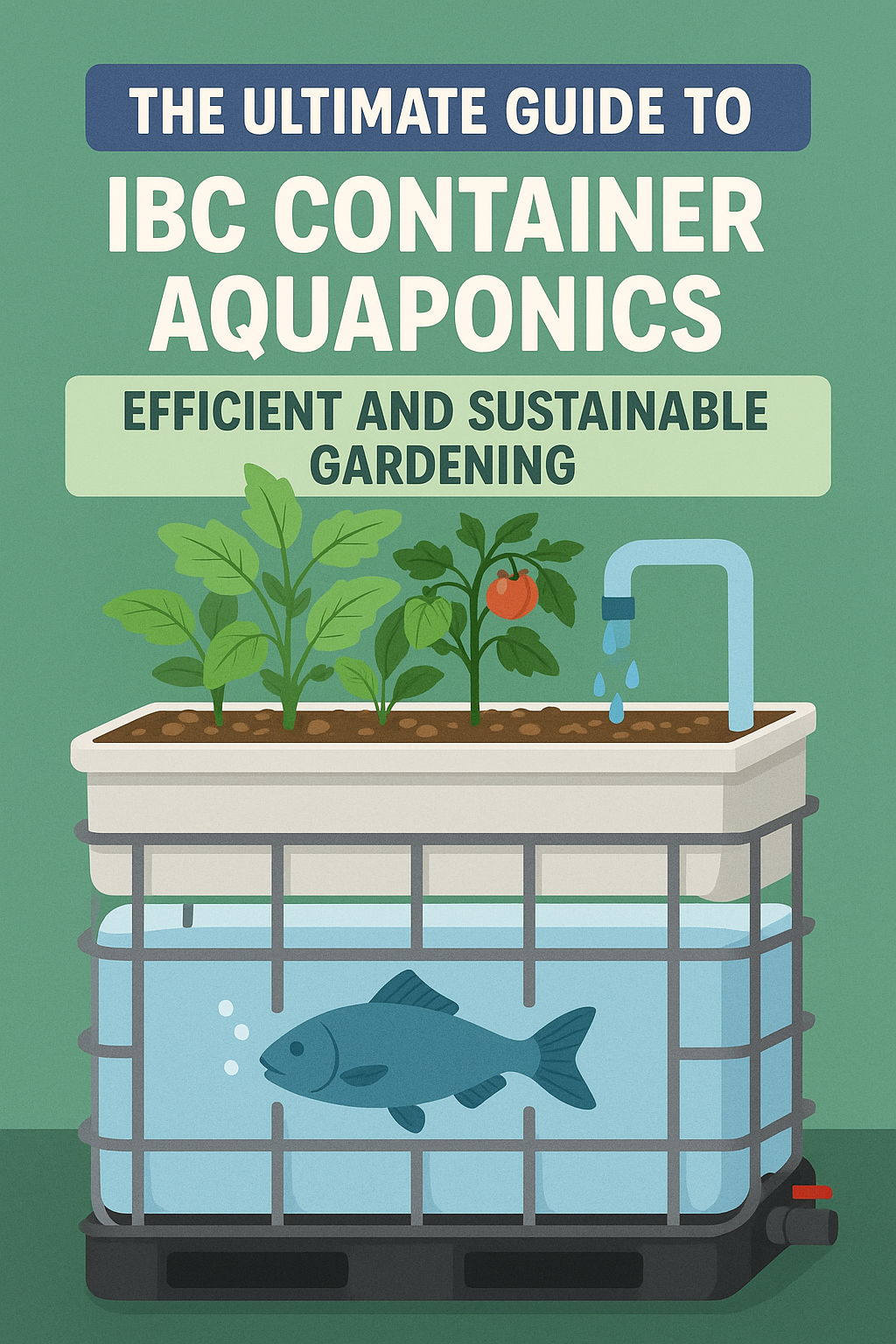
In recent years, global interest in sustainable farming practices has skyrocketed due to concerns over food security, environmental degradation, and climate change. Among these practices, aquaponics—a form of agriculture that combines aquaculture (raising fish) with hydroponics (growing plants in water)—stands out as an innovative and efficient solution. Specifically, using Intermediate Bulk Containers (IBC) for aquaponics has gained traction for its affordability, accessibility, and versatility. In this article, we will delve deep into the world of IBC container aquaponics and answer common questions to make this essential practice more understandable and actionable.
What is an IBC Container?
Intermediate Bulk Containers (IBCs) are large, reusable containers typically made of high-density polyethylene (HDPE) and used for transporting liquids and granular materials. They come in various sizes, but the most common is a cube-shaped container that holds approximately 1,000 liters (about 264 gallons). Because they are sturdy, stackable, and relatively inexpensive, IBCs have become increasingly popular for small-scale farms and home gardening setups.
Why Aquaponics?
Aquaponics is a self-sustaining ecosystem that combines fish farming with vegetable cultivation. The waste produced by fish creates the perfect nutrient solution for the plants, while the plants help filter and purify the water for the fish. This symbiotic relationship mimics natural ecosystems and offers numerous advantages:
- Water Efficiency: Aquaponics uses up to 90% less water than traditional farming due to its closed-loop system.
- No Pesticides or Herbicides: Because fish and plants coexist, the use of harmful chemicals is discouraged, resulting in a safer and organic farming method.
- Space Efficiency: IBC container systems can be set up in relatively small areas, making it perfect for urban gardening or small farms.
- Biodiversity: Growing both fish and plants promotes biodiversity, essential for environmental balance.
- Fast Growth Rates: Fish and plants in an aquaponic setup often grow faster than in traditional farming methods.
How to Set Up an IBC Container Aquaponics System
Setting up an IBC container aquaponics system can seem daunting, but breaking it down into manageable steps can simplify the process. Here’s a step-by-step guide:
Step 1: Select the Right Location
Choose a location that gets adequate sunlight (at least 6 hours a day) and is sheltered from heavy winds. An area with access to electricity (for pumps and aeration) is also advantageous.
Step 2: Acquire Your IBC Container
You can purchase new or used IBC containers from various suppliers. If you choose a used unit, ensure it has not previously held toxic substances. The food-safe IBCs are ideal for aquaponics.
Step 3: Cut the IBC Container
If using a single IBC for aquaponics, you will need to modify it. Typically, you will want to cut it in half to create two sections: one for fish and the other for plants. Use a saw with a fine blade to make a clean cut, and be cautious while doing so.
Step 4: Set Up the Fish Tank
Place the bottom half of the IBC on a sturdy stand or platform. Fill it with water, aerate it, and let it cycle for a period (typically 4-6 weeks) to develop beneficial bacteria.
Step 5: Create the Grow Bed
Use the top half of the IBC as a grow bed. Install a false bottom (gravel or hydroton) to hold the growing medium while allowing water to circulate underneath. This design supports the plant roots while filtering water back into the fish tank.
Step 6: Install the Pump and Plumbing
You’ll need a small water pump to circulate water from the fish tank to the grow bed. Arrange your plumbing to ensure that water drains back into the fish tank after passing through the grow bed.
Step 7: Add Fish and Plants
Start with a small number of fish (e.g., tilapia, goldfish, or trout) and allow them time to acclimate. After a week or so, add plants that thrive in aquaponics, such as lettuce, herbs, or strawberries.
Step 8: Monitor and Maintain the System
Regular testing of pH, ammonia, and nitrite levels is crucial to ensure a balanced environment for both fish and plants. Make adjustments as necessary and replace any lost water due to evaporation.
Step 9: Harvest!
After several weeks, you will start to see growth in both fish and plants. Harvest as needed, and enjoy the fruits of your labor!
Common Questions About IBC Container Aquaponics
1. How Much Does It Cost to Set Up an IBC Aquaponics System?
The overall cost of setting up an IBC aquaponics system varies based on the scale, fish, and plant selection, but on average, it ranges between $200 to $800. This includes the cost of the IBC container, water pump, fish, grow medium, plants, and basic tools.
2. What Types of Fish Can I Raise?
Several fish species adapt well to aquaponics, including:
- Tilapia: Fast-growing and hardy, perfect for beginners.
- Trout: Requires cooler water temperatures.
- Catfish: Suitable for warmer climates.
- Goldfish: Good for small setups and ornamental purposes.
3. What Plants Grow Best in IBC Aquaponics?
Most leafy greens and herbs thrive in aquaponic systems. Strong candidates include:
- Lettuce
- Basil
- Mint
- Spinach
- Kale
Fruits and vegetables like tomatoes and cucumbers can also be grown but may require more space and support.
4. Is It Complicated to Maintain?
While setting up an IBC container aquaponics system requires specific knowledge, maintaining it is relatively straightforward. Regular monitoring of water quality and maintaining the balance between fish and plant life is essential but easily manageable.
5. Can I Use IBC Aquaponics Indoors?
Absolutely! Indoor aquaponics systems using IBC containers can be a great way to grow food year-round. Just ensure you have adequate light through LED grow lights designed for such setups.
6. What Are the Environmental Benefits?
Aquaponics offers a reduced carbon footprint due to minimized transportation costs, less water usage, and no reliance on chemical fertilizers. It leads to sustainable food production, making it an effective farming method against climate change.
7. How Long Does it Take for Fish and Plants to Grow?
The growth rate depends on the specific species and environmental conditions. Fish like tilapia can reach a harvestable size in 6-12 months, while leafy greens can mature in as little as 30 days.
8. Can I Automate My IBC Aquaponics System?
Yes! Automation features like timed pumps, smart sensors for monitoring water quality, and even temperature controls can streamline maintenance and optimize productivity.
Real-Life Success Stories
Case Study: Urban Farming Initiative
A community in San Diego undertook the initiative of turning urban waste into fresh produce by establishing IBC container aquaponics systems in vacant lots. The project not only provided affordable, organic food for residents but also fostered community ties by involving locals in the maintenance and harvesting processes.
Case Study: Educational Outreach
A school in Detroit implemented IBC aquaponics units as part of its curriculum. Students learned about biology, sustainability, and nutrition. Not only did they grow vegetables, but they also sold them to local restaurants, creating a business model that benefitted both the school and the community.
Conclusion: An Accessible Approach to Sustainable Agriculture
IBC container aquaponics is an innovative and sustainable farming technique that can be adapted to different living conditions, from urban backyards to community gardens. By understanding its components, benefits, and best practices, budding aquaponic farmers can start a low-cost agricultural revolution in their communities. Whether you are looking to reduce your carbon footprint, grow fresh produce year-round, or engage in a rewarding hobby, IBC container aquaponics offers countless possibilities. So why not start today? Your journey into sustainable farming awaits!