
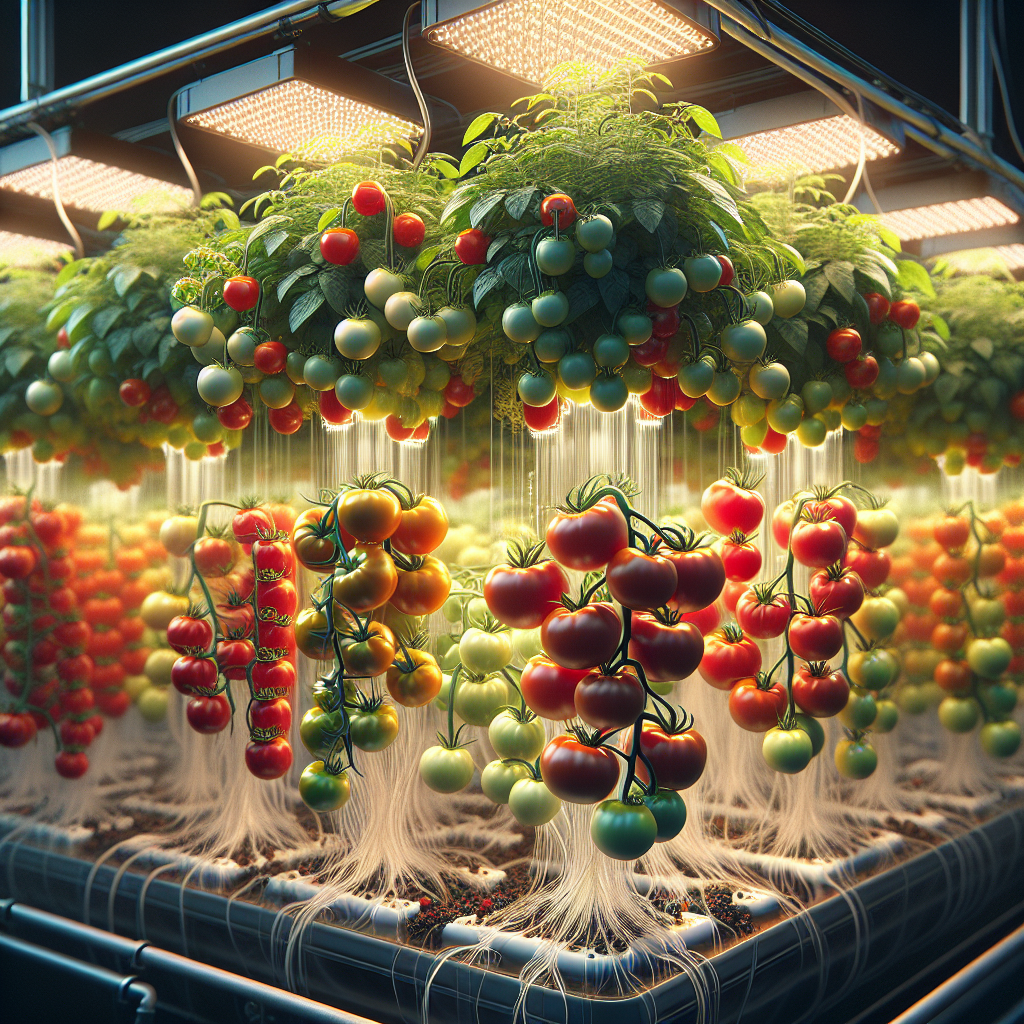
Growing tomatoes is a dream for many gardeners and flavor enthusiasts. The luscious taste of homegrown tomatoes is unmatched, and when it comes to cultivation methods, hydroponics offers a revolutionary approach that enables successful tomato growth without soil. The following guide dives deep into the fascinating world of hydroponics, addressing common questions, detailed methods, tips for growing healthy and delicious tomatoes, as well as troubleshooting problems that may arise along the way.
What is Hydroponics?
Hydroponics is a method of growing plants in water-based, nutrient-rich solutions, without using soil. This method allows for well-controlled environments where essential nutrients are readily accessible, leading to faster growth rates and yielding healthier produce compared to traditional soil gardening. This innovative technique is gaining popularity among home gardeners, large-scale farmers, and horticulturists alike.
Why Choose Hydroponics for Tomatos?
-
Higher Yields: Hydroponic systems often yield more produce than traditional methods. Tomatoes can grow more abundantly due to improved access to nutrients and a controlled environment.
-
Faster Growth: The absence of soil means that plants can take in nutrients more readily. Hydroponically grown tomatoes can reach maturity faster than their soil-grown counterparts.
-
Space Efficiency: Hydroponics allows for vertical farming, making it an ideal option for urban living where space is limited.
-
Controlled Environment: With hydroponics, you can manipulate growth factors such as pH, humidity, and light to create the optimal conditions for tomato growth regardless of external weather conditions.
-
Less Pest and Disease Risk: Growing without soil can often reduce the likelihood of various pests and soil-borne diseases impacting your tomato plants.
Getting Started with Hydroponic Tomatoes
Choosing the Right Hydroponic System
There are several hydroponic systems tailored for growing tomatoes. Here’s a breakdown of the most popular options:
-
Nutrient Film Technique (NFT): A thin film of nutrient-rich water flows over the roots of the plants allowing them to absorb what they need. This method requires constant monitoring to ensure nutrient levels and pH balance remain optimal.
-
Deep Water Culture (DWC): In this method, plants are suspended in a nutrient solution with their roots submerged in water. Aeration is crucial here, typically provided by air stones connected to an air pump.
-
Ebb and Flow (Flood and Drain): This involves flooding the plants with nutrient solution at set intervals, then allowing the water to drain back into a reservoir. This system allows for oxygenation of the roots during the draining phase.
-
Aeroponics: This highly efficient method involves suspending the plant roots in the air and misting them with a nutrient solution. This allows maximum oxygen exposure and nutrient absorption.
-
Wicking System: A simpler system suitable for beginners, where a wicking material draws nutrient solution from a reservoir to the plants.
What Equipment Will You Need?
- Reservoir: To hold your nutrient solution (water mixed with nutrients).
- Growing Medium: Common choices include Rockwool, clay pellets, or coconut coir. Each option has its benefits for root support and aeration.
- Net Pots: Essential for holding the plants in place while still allowing roots to access the nutrient solution.
- Nutrient Solution: A balanced formula rich in all essential vitamins and minerals necessary for healthy tomato growth.
- pH Testing Kit: Hydroponic systems require careful pH monitoring; ideally, the pH should be maintained between 5.5 and 6.5.
- Lighting: If you’re growing indoors, grow lights (such as LED or fluorescent lights) will be necessary to provide the adequate light spectrum for tomato plants.
- Air Pump and Stones (for DWC): Essential for providing oxygenation to the roots.
Which Tomato Varieties are Best for Hydroponics?
While many tomato varieties can be grown hydroponically, here are some favorites:
- Cherry Tomatoes: Quick to grow and produce lots of fruit, they are often great for beginners due to their high yields and short growth cycle.
- Roma Tomatoes: Known for their thicker flesh, they are an excellent choice for sauces and canning.
- Beefsteak Tomatoes: Larger varieties, perfect for salads and sandwiches. Their size may require support structures to manage growth effectively.
Step-by-Step Guide to Growing Hydroponic Tomatoes
1. Setting Up Your Hydroponic System
-
Choose Your Location: Ensure your setup has adequate exposure to light, and it remains at a temperature between 70°F to 80°F (21°C to 27°C).
-
Install the Hydroponic System: Set up your chosen system, ensuring all components like pumps, lights, and reservoirs are functional.
2. Starting Seeds or Seedlings
-
Seed Starting: Start seeds in a sterile medium such as Rockwool or seed-starting cubes. Keep them moist and provide a warm environment until they germinate.
-
Transplanting: Once seedlings are about 2-4 inches tall and have several true leaves, they can be transplanted to the hydroponic system.
3. Nutrient Management
-
Prepare Nutrients: Mix your nutrient solution according to the manufacturer’s instructions. The correct concentration will help in promoting healthy growth.
-
Monitor pH Levels: Check the pH regularly; adjust using pH up or down solutions as necessary. Remember to monitor EC (electrical conductivity) to ensure nutrient levels are appropriate.
4. Light Management
-
Lighting: Depending on the growth stage, ensure that your plants receive adequate light:
- Seedling Stage: 16-18 hours of light per day.
- Vegetative Stage: 14-16 hours.
- Flowering Stage: 12-14 hours.
-
Light Distance: Ensure the lights are positioned at an appropriate distance from the plants to avoid burning them.
5. Temperature and Humidity Control
-
Temperature: Maintain room temperature ideally between 70°F to 80°F (21°C to 27°C) during the day and slightly cooler at night.
-
Humidity: Aim for 50-70% relative humidity, especially during the flowering stage to help with pollination and fruit set.
6. Supporting Tomato Plants
-
Staking: As tomato plants grow, their stems can become heavy with fruit. Use stakes or cages to support them and prevent breakage.
-
Pruning: Regularly prune your plants by removing suckers and dead leaves to promote better airflow and nutrient allocation.
7. Pollination
In a controlled environment, pollination can be challenging. Hand pollination might be necessary. Use a small brush or your finger to gently transfer pollen from flower to flower. Alternatively, you can gently shake plants to aid in natural pollination.
Troubleshooting Common Issues
Problem 1: Yellow Leaves
- Cause: Nutrient deficiency or excess water.
- Solution: Check your nutrient solution and adjust based on your findings. Make sure your roots aren’t submerged in stagnant water, which might lead to root rot.
Problem 2: Brown Spots on Leaves
- Cause: Sunburn or fungal disease.
- Solution: Ensure your plants receive the right amount of light without being too close to the light source. If you suspect a disease, remove affected leaves and treat with appropriate fungicides.
Problem 3: Poor Fruit Set
- Cause: Inadequate pollination, poor temperature, or nutrient imbalance.
- Solution: Ensure proper pollination and maintain ideal temperature and nutrient levels.
Harvesting Your Hydroponic Tomatoes
Tomatoes can typically be harvested when they are fully colored and slightly soft to the touch. Depending on the variety, this can range from 70 to 100 days after planting. Cut the fruit carefully to avoid bruising, and store them in a cool place for optimum flavor.
Conclusion
Growing tomatoes hydroponically can be an exciting and rewarding endeavor, offering numerous benefits over traditional gardening methods. From faster growth rates and higher yields to the ability to control your growing environment, hydroponics opens up new avenues for cultivating this beloved fruit. By following the steps outlined in this comprehensive guide, you’ll be well on your way to enjoying homegrown tomatoes that are not only delicious but also healthier than store-bought varieties.
FAQs
Q: How much space do I need to grow tomatoes hydroponically?
A: You can grow tomatoes hydroponically in as little as a few square feet, especially if using vertical gardening techniques.
Q: How often should I change the nutrient solution?
A: It’s generally good practice to change the nutrient solution every two weeks, but it can vary based on plant growth stages and system designs.
Q: Can I grow tomatoes hydroponically all year round?
A: Yes! Hydroponics allows for year-round cultivation regardless of external weather conditions, especially if you use indoor systems with controlled lighting.
Q: What are the best nutrients for hydroponic tomatoes?
A: Look for a balanced hydroponic nutrient mix specifically designed for fruiting plants, which provides key nutrients like nitrogen, phosphorus, and potassium.
With dedication and attention to detail, you’ll soon be able to relish the experience of growing your tomatoes hydroponically, savoring the flavors of nature in your own home. Go ahead—plant those seeds and watch your hydroponic garden flourish!