
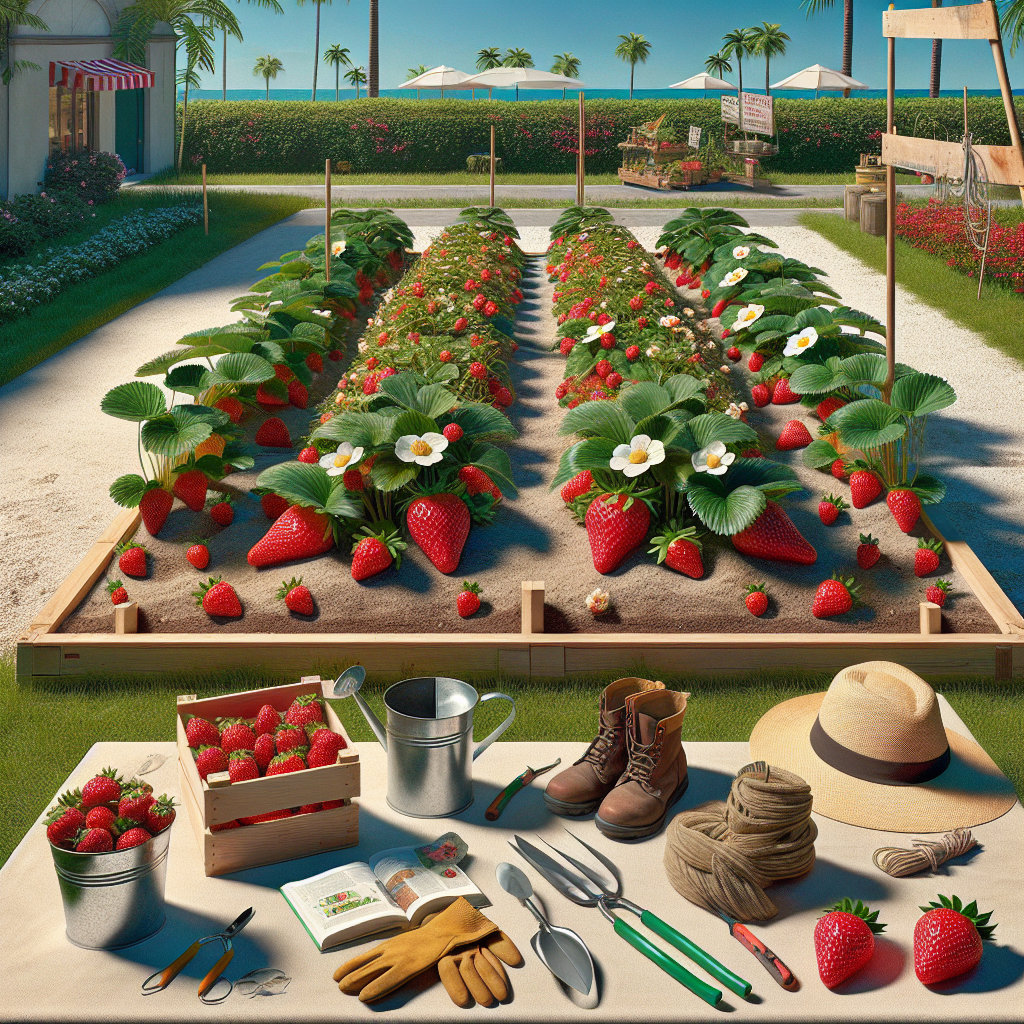
Strawberries are not just delicious, they’re also one of the most popular fruits in the United States. For Florida gardeners, strawberries are a promising choice due to the state’s unique climate and extended growing season. If you’re considering growing your own strawberries in the Sunshine State, this comprehensive guide will walk you through everything you need to know— from choosing the right variety to pest management and harvesting techniques.
Why Grow Strawberries in Florida?
1. Climate and Soil Conditions
Florida’s subtropical climate is conducive to strawberry cultivation, especially the northern and central regions where cooler temperatures can be observed during the winter months. Strawberry plants thrive in temperatures between 60°F and 80°F.
Additionally, Florida’s sandy soils are well-drained, making it ideal for strawberries. The key to successful strawberry production lies in maintaining soil health and proper moisture levels.
2. Variety Selection
Choosing the right strawberry variety is crucial for optimal yield. Florida growers typically choose from three main types of strawberries:
- June-bearing Strawberries: Also known as short-day varieties, these strawberries produce a single, abundant harvest in early summer.
- Everbearing Strawberries: These plants produce continuously throughout the growing season (spring to fall) but offer a lighter yield per harvest.
- Day-neutral Strawberries: These varieties produce fruit continuously regardless of day length, making them ideal for Florida’s varied growing conditions.
Conclusion: For Florida, popular varieties include ‘Chandler’, ‘Sweet Charlie’, and ‘Festival’. Due to their adaptability and flavor, these varieties are favored among home gardeners and commercial growers alike.
Getting Started: Preparing for Your Strawberry Garden
1. Site Selection
Strawberries require full sun for at least 6 to 8 hours a day. When selecting a site, look for a well-draining area free from standing water, as strawberries are susceptible to root rot.
2. Soil Preparation
Soil testing is essential to determine pH and nutrient levels. Strawberries thrive in slightly acidic soil (pH 5.5 to 6.8). If necessary, amend your soil with organic matter like compost or well-rotted manure to improve drainage and nutrient content.
- Testing Soil: Use a soil test kit or send samples to a local extension service.
- Amending Soil: Add lime to increase pH or sulfur to decrease it, based on your soil test results.
3. Choosing a Planting Method
There are various planting methods you can choose from:
- Bare-root Plants: Typically planted in late fall or early spring. Ensure they are healthy and free from disease.
- Transplants: Purchased seedlings can be more dependable, but check they are certified disease-free.
- Strawberry Pots: These containers allow for vertical growth and are excellent for limited-space gardening.
How to Plant Strawberries
1. Ideal Planting Time
In Florida, the best time to plant strawberries varies by region. For most areas, late September through early December is optimal. This timing allows plants to establish roots before warmer spring temperatures set in.
2. Planting Techniques
-
Spacing: Space plants 12 to 18 inches apart and rows about 3 feet apart. This spacing allows for proper air circulation and sunlight exposure.
-
Soil Depth: Plant strawberries so that the crown (the part where roots meet the stem) is just above the soil level to prevent rot.
-
Watering: After planting, water the plants thoroughly. The goal is to keep the soil moist but not saturated.
3. Mulching
Using straw mulch around the plants serves multiple purposes:
- Moisture retention: Helps maintain soil moisture levels.
- Weed suppression: Prevents weeds from competing for nutrients.
- Disease prevention: Keeps fruits clean and reduces the risk of fungal diseases.
Maintaining Your Strawberry Garden
1. Watering Requirements
Strawberries need consistent moisture. Aim for about 1 to 1.5 inches of water weekly— either through rainfall or irrigation. Drip irrigation systems are optimal as they deliver water directly to the plant roots, minimizing disease risks associated with overhead watering.
2. Fertilization
Fertilizing strawberries appropriately is crucial for healthy growth and fruitful harvests.
-
Before Planting: Incorporate a balanced fertilizer (like a 10-10-10 NPK) into the soil.
-
Post-planting: Continue fertilizing every 4-6 weeks throughout the growing season using a water-soluble fertilizer.
3. Pest and Disease Management
While strawberries are relatively easy to grow, they can be susceptible to diseases and pests:
-
Common Pests:
- Spider Mites: Small, red or green pests that can weaken plants. Control them with insecticidal soap.
- Aphids: Can stunt growth and spread diseases. Natural predators like ladybugs can help manage their populations.
-
Common Diseases:
- Powdery Mildew: Looks like white powder on leaves. Use fungicide sprays if detected early.
- Root Rot: Caused by overwatering. Ensure good drainage to prevent this disease.
4. Weeding
Regular weeding is essential since weeds compete for nutrients and water. Mulching significantly reduces it, but you should still check regularly. Hand-pulling weeds or using a hoe are recommended methods.
Enjoying the Harvest: When and How to Pick Strawberries
1. Timing for Harvesting
Depending on the variety, strawberry plants typically produce fruit from late winter through early spring. The fruits are usually ready to harvest about six weeks after blooming.
- Indicators: Look for bright, uniform color—berries should be mostly red and firm.
2. Harvesting Techniques
-
Gentle Handling: Use scissors or garden shears to cut the stem instead of pulling the fruit, as this prevents damage to the plant.
-
Timing: Morning is the best time to harvest, as the fruits are cooler and firmer.
3. Post-Harvest Care
After harvesting, handle the strawberries gently to avoid bruising. Store them in a cool place or refrigerate them for longer shelf life.
Frequently Asked Questions About Growing Strawberries in Florida
Q: How long does it take for strawberry plants to produce fruit?
A: Typically, from planting the bare-root plants in the fall, you can expect to start harvesting within 4 to 6 months, usually around late winter to early spring.
Q: Are strawberry plants perennial or annual?
A: Strawberries are perennial plants, meaning they can produce fruit for several years. However, many growers treat them as annuals and replant each year for better yields.
Q: How can I extend the strawberry season?
A: Use row covers during unexpected cold spells or switch to day-neutral or everbearing varieties that produce fruit throughout the growing season.
Q: What can I do if my strawberries are not producing fruit?
A: Ensure proper pollination, check for sufficient sunlight, confirm that they’re receiving appropriate nutrients, and look out for diseases or pests.
Q: Can I grow strawberries in containers?
A: Absolutely! Strawberries thrive in containers, provided they receive adequate sunlight and proper watering. Make sure the containers have good drainage holes.
Conclusion
Growing strawberries in Florida can be a fun and rewarding experience that yields delicious, juicy fruits. With the right preparation, care, and attention to detail, you can cultivate a thriving strawberry garden right in your backyard. Whether you’re a beginner or an experienced gardener, Florida’s unique conditions offer the perfect opportunity to enjoy one of nature’s sweetest treats. By following this guide, you’ll not only cultivate an abundant harvest but also immerse yourself in the joys of gardening.
With patience, creativity, and a little know-how, your Florida strawberry garden will be a fruitful endeavor, providing fresh berries for cherished moments with family and friends. Whether enjoyed fresh, preserved, or as a tantalizing addition to desserts, your homegrown strawberries will symbolize the beauty of Florida’s bountiful agricultural landscape. Dive into this delicious journey today!