
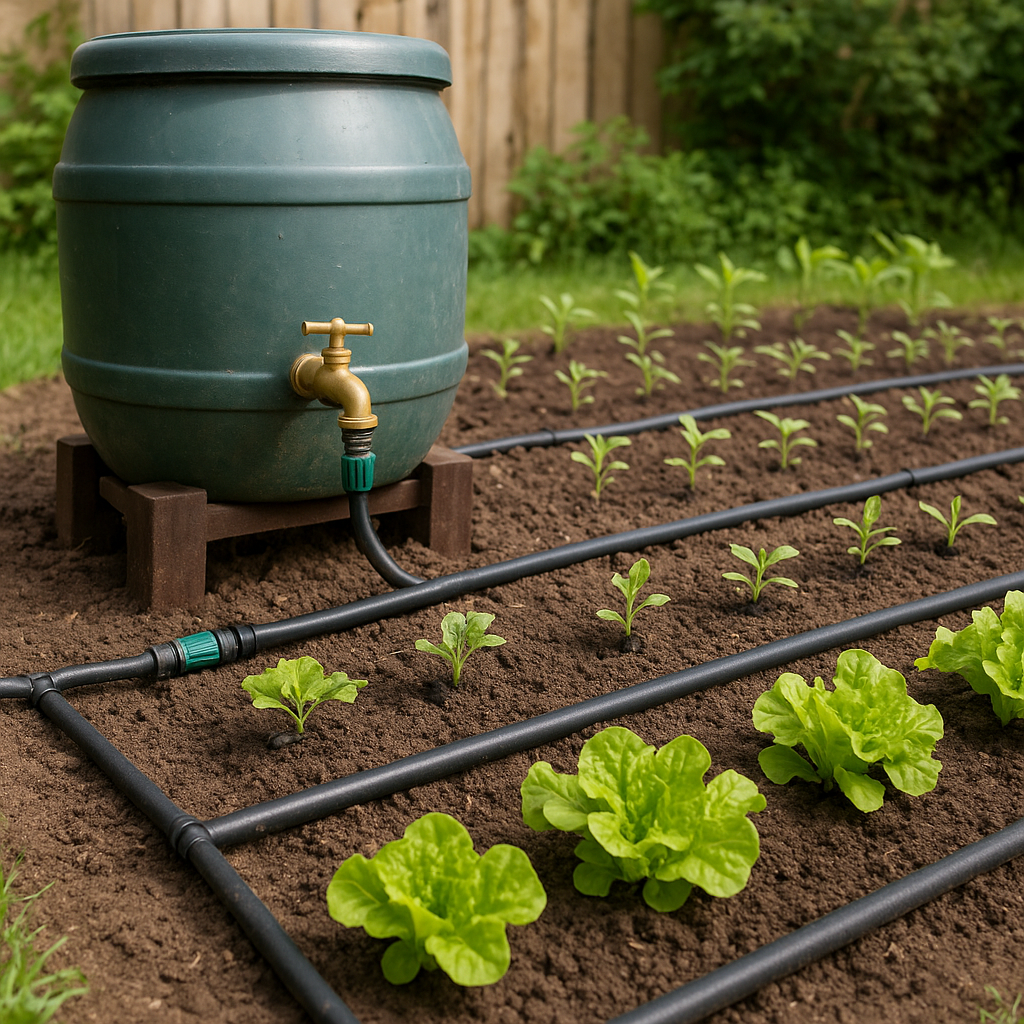
In the realm of sustainable agricultural practices, gravity-fed drip irrigation has emerged as a vital method for optimizing water utilization and enhancing crop productivity. This article will explore the intricacies of gravity-fed drip irrigation: its benefits, design, and implementation, while addressing common questions that prospective users may have.
Understanding Gravity Fed Drip Irrigation
What is Gravity Fed Drip Irrigation?
Gravity-fed drip irrigation is a method that uses the force of gravity to distribute water through a network of tubes and emitters directly to the plant roots. Unlike conventional irrigation systems that rely on pumps, this system capitalizes on the natural downward force of gravity, making it an energy-efficient option for gardeners and farmers alike.
How It Works
The system typically consists of a water source (a reservoir, tank, or pond elevated above the fields), a network of drip lines, emitters, and sometimes a filtration system to ensure clean water delivery. Water flows from the higher elevation to the lower ground through gravity, minimizing energy consumption. The emitters disperse the water slowly, allowing for deep root penetration and reducing evaporation and runoff.
Benefits of Gravity Fed Drip Irrigation
1. Water Conservation
One of the primary advantages of gravity-fed drip irrigation is its ability to conserve water. Studies indicate that drip irrigation can reduce water consumption by up to 50% compared to traditional surface irrigation methods. The slow and targeted delivery of moisture means that plants receive the exact amount of water they need, minimizing waste.
2. Reduced Energy Costs
Since this irrigation method does not rely on electric pumps, it can significantly lower energy costs. The only energy expenditure might come from the initial setup, such as pumping water to an elevated tank. Once installed, the system operates efficiently, as it utilizes gravity to maintain water flow.
3. Enhanced Soil Health
Soil health is crucial for sustainable agriculture, and gravity-fed drip irrigation plays a pivotal role in maintaining it. The gentle application of water reduces soil erosion and compaction, allowing microorganisms and beneficial nutrients to thrive. By preventing overwatering, it also minimizes issues related to salinity and nutrient runoff.
4. Weed and Pest Control
The precise delivery of water at the root zone limits the amount of moisture available to weeds, effectively reducing their growth and the need for herbicides. Additionally, by providing a conducive environment for healthy plants, the system can also improve crop resilience against pests and diseases.
5. Increased Crop Yields
By optimizing water and nutrient delivery directly to the plants, gravity-fed drip irrigation has been shown to promote healthier, more productive crops. A consistent moisture level supports optimal growth conditions, resulting in higher yields over time.
6. Versatility and Scalability
This method is highly adaptable and can be utilized in various settings, including small gardens, commercial farms, or even urban environments. It is suitable for various crops and can be easily scaled up or down based on the agricultural needs.
Components of a Gravity Fed Drip Irrigation System
1. Water Source
The water source is essential for the entire system, and it can be anything from a rainwater collection tank, a pond, or a cistern. The height of the water source significantly influences the pressure and flow rate of the system.
2. Elevation
Choosing the right elevation for the water source is crucial. A height of 3 to 5 feet is typically recommended for efficient gravity flow. This elevation creates enough pressure to ensure adequate water distribution through the system.
3. Filtration System
Introducing a filtration system can help prevent clogging in the drip emitters. Depending on the water quality, different filters (like mesh or disk filters) can be installed to make sure the water is clean and suitable for irrigation.
4. Mainline and Sub-mainlines
The mainline transports water from the source to the fields, while sub-mainlines branch off to deliver water to various parts of the field. These pipes need to be properly sized to accommodate the expected flow rates.
5. Drip Tubing and Emitters
The drip tubing is where the water travels to reach the plants. Emitters, or drip heads, are placed along the tubing to disperse water directly onto the plant root zone. Emitters can be pressure-compensating or non-pressure-compensating, affecting water distribution efficiency.
6. Valves and Connectors
Valves allow for the control of water flow in the irrigation system, supporting easy maintenance and management. Connectors help in assembling the different parts of the system.
Designing a Gravity-Fed Drip Irrigation System
1. Assessing Water Requirements
How do I determine my crop water needs?
Understanding the specific water needs of your crops is crucial for effective irrigation management. Crop water requirement can be calculated based on factors such as plant type, growth stage, soil moisture levels, and climatic conditions. Tools like evapotranspiration data can aid in calculating water requirements.
2. Sizing Your System
Proper sizing ensures that water is efficiently distributed across your growing area. A larger growing area will require a more extensive network of tubing and emitters. Be sure to consider the layout of your garden or fields during this evaluation.
3. Calculating Elevation
What elevation is suitable for optimal flow?
Aim for a minimum elevation of 3 to 5 feet above the ground level to create sufficient pressure for the system. Taller elevations can help increase flow rates but also require careful consideration of structural stability.
4. Selecting Components
Components must be chosen based on specific needs, including the type of crops, field size, and water source quality. Ensure that the pipes, emitters, and filters are compatible with your anticipated flow rate and system configurations.
5. Implementation and Maintenance
How do I install and maintain my system?
Installation involves laying out the mainline, sub-mainlines, and drip tubing systematically. Each component should be secured and connected correctly to prevent leaks or disconnections. Regular maintenance, such as checking for blockages, cleaning filters, and inspecting for leaks, will ensure the longevity and effectiveness of your system.
Addressing Common Questions
1. Can I use gravity-fed drip irrigation for any type of crop?
Yes, gravity-fed drip irrigation is suitable for a wide variety of crops, including vegetables, fruits, and ornamental plants. It is particularly effective in small-scale and organic farming.
2. What type of soil is best for gravity-fed drip irrigation?
While gravity-fed drip irrigation can work with various soil types, well-draining soils, like sandy loam, are generally best. Clay soils may require additional strategies, such as intermittent watering cycles, to ensure adequate moisture penetration.
3. What is the lifespan of a gravity-fed drip irrigation system?
The lifespan depends on the materials used and the quality of installation. High-quality materials can last 10-20 years or more with proper maintenance.
4. Is there a risk of clogging with drip emitters?
Yes, but proper filtration can greatly reduce the risk. Regular system maintenance and using clean water sources will help prevent clogs.
5. How do I calculate the flow rate for my system?
Flow rate can be estimated by measuring the amount of water delivered in a specific timeframe. It’s essential to ensure that the combined emitter flow rates do not exceed the water source capacity.
6. What crops can benefit from using gravity-fed drip irrigation?
Almost any crop can benefit, but perennials, trees, and crops requiring less frequent but deeper watering tend to perform exceptionally well with this method.
Best Practices for Implementation
1. Regular Monitoring
Consistent monitoring of soil moisture levels will allow you to make necessary adjustments. Utilizing soil moisture sensors can further enhance efficacy.
2. Seasonal Adjustments
Water requirements often change with the seasons. Understanding your crops’ needs throughout their growth cycle will be crucial in adjusting the irrigation schedule for optimal productivity.
3. Education and Research
Stay informed about advancements in irrigation technology and practices. Participating in agricultural workshops or courses can provide valuable insights and techniques to enhance your system’s effectiveness.
Conclusion: The Future of Gravity-Fed Drip Irrigation
Gravity-fed drip irrigation represents a sustainable and efficient method for enhancing agricultural productivity while conserving water resources. As water scarcity becomes a pressing global issue, innovations in irrigation techniques will play a pivotal role in securing food resources and ensuring agricultural sustainability.
By understanding the nuances of this irrigation method, farmers, gardeners, and agricultural enthusiasts can harness the full potential of gravity-fed drip irrigation systems to promote healthy ecosystems and resilient crops. Whether you’re interested in a small home garden or a large-scale farming operation, gravity-fed drip irrigation offers the flexibility, efficiency, and sustainability needed for modern agriculture.
Embracing this irrigation system is not just a personal decision to foster growth; it’s also a commitment to a greener, more sustainable future for agriculture. As we look ahead, gravity-fed drip irrigation could become an indispensable part of our global approach to responsible and efficient resource management, ensuring that our fields are nourished, our crops flourish, and our water resources are preserved for generations to come.