
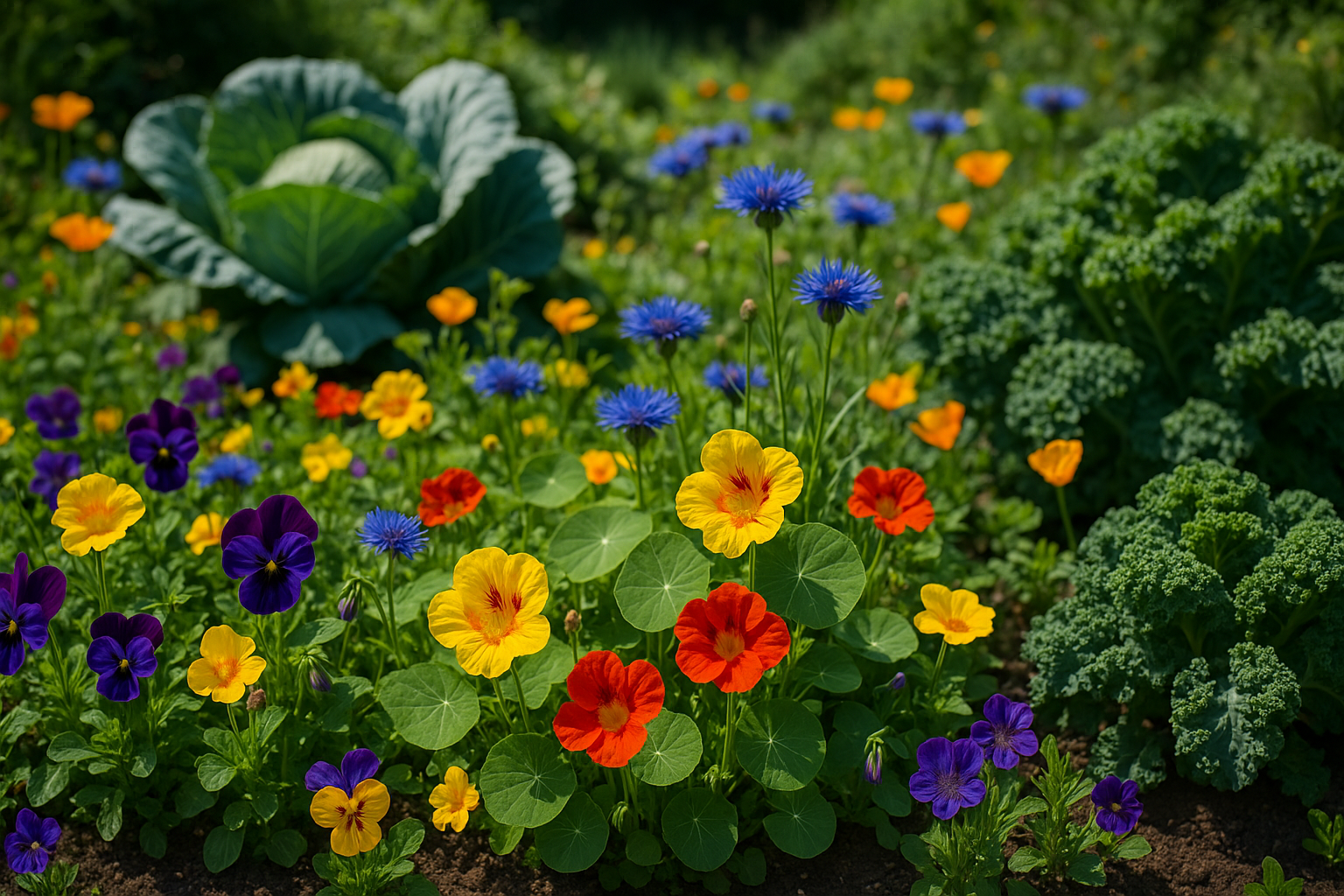
Gardening has often been viewed as an ornamental pursuit, aimed at enhancing the aesthetic appeal of our homes and communities. However, the concept of edible landscaping is transforming this perception by blending beauty with functionality. Edible landscapes are gardens designed not only for visual pleasure but also for producing food. One of the most enchanting aspects of edible landscaping is the incorporation of edible flowers. These delightful blooms can beautify your garden while providing unique flavors and nutrients for culinary adventures.
In this comprehensive guide, we’ll explore the art and science of growing edible flowers, their uses in the kitchen, their health benefits, and how to successfully include them in your landscape.
What Are Edible Flowers?
Edible flowers are blooms that are safe for human consumption. They can be used in salads, as garnishes, in teas, or even in desserts. Not all flowers are edible, and among those that are, not every variety is palatable. Thus, it’s essential to research which flowers are suitable for eating.
Some popular edible flowers include:
- Nasturtiums: Known for their peppery flavor, they add color and zest to salads.
- Calendula: Often referred to as pot marigold, its petals can be used in salads and as a coloring agent in dishes.
- Violets: Sweet and fragrant, violets can be used in desserts or as a beautiful garnish.
- Hibiscus: Known for its tart flavor, hibiscus can be brewed into teas or used in jellies.
- Lavender: The aromatic quality makes it ideal for desserts and infusions.
Why Choose Edible Landscaping?
-
Aesthetic Appeal: Edible flowers can add vivid colors and diverse textures to your garden. They create an inviting atmosphere and enhance the beauty of your living space.
-
Nutritional Benefits: Many edible flowers are packed with vitamins, minerals, and antioxidants. For example, nasturtiums are rich in vitamin C, while calendula has anti-inflammatory properties.
-
Culinary Uses: Edible flowers can elevate your dishes from ordinary to extraordinary. They can be used in salads, infused in beverages, incorporated into cakes, or used as garnishes.
-
Pollinator Attraction: Flowers attract beneficial insects such as bees, butterflies, and other pollinators, promoting biodiversity and the health of your garden.
-
Sustainable Gardening: Edible landscaping encourages sustainable practices by reducing the need to purchase flowers and ingredients from the store. You can grow your ingredients right in your backyard.
-
Kids’ Engagement: Involving children in the garden can create a greater appreciation for nature and healthy eating. Edible flowers are a delightful way to engage them in gardening.
Frequently Asked Questions
1. How do I start an edible flower garden?
Starting an edible flower garden involves a few key steps:
-
Choose Your Location: Look for a sunny spot with well-drained soil. Most edible flowers prefer full sun (around 6-8 hours of direct sunlight daily).
-
Select Flowers: Research which edible flowers are compatible with your climate and seasonal conditions. Start with a few varieties and expand as you gain experience.
-
Prepare the Soil: Ensure your soil is rich in organic matter. You can amend it with compost to improve its nutrient composition.
-
Sow Your Seeds: Follow seed packet instructions regarding seeding depth and spacing. Consider companion planting—growing some flowers alongside vegetables to enhance growth and deter pests.
-
Water and Care: Water regularly, especially during dry spells. Remove dead flowers (deadheading) to encourage further blooming and prevent bolting (flowering too soon).
2. Are there any edible flowers that are easy to grow for beginners?
Absolutely! Some beginner-friendly edible flowers include:
- Nasturtiums: These are hardy and thrive in a variety of soil conditions.
- Marigolds: Besides being visually appealing, they repel pests like nematodes.
- Sunflowers: Easy to grow and their seeds are also edible.
- Pansies & Johnny Jump-Ups: These require minimal care and add beautiful color to your garden.
3. How do I know if a flower is safe to eat?
While many flowers are edible, some are toxic. Here’s how to ensure safety:
- Research: Use reputable sources or guidebooks focusing on edible plants.
- Consult Local Expertise: Local extension services or gardening clubs can provide insights into edible plants suitable for your area.
- Avoid Chemicals: Only consume flowers grown without pesticides or herbicides. If purchasing from a store, verify they are specifically marked as edible.
4. What are the best uses for edible flowers in cooking?
Edible flowers can be utilized in various culinary applications, such as:
- Salads: Create vibrant mixed salads featuring nasturtiums and pansies.
- Herbal Teas: Dried flowers like chamomile and hibiscus can be brewed for refreshing drinks.
- Baking: Incorporate edible flowers into cakes or cupcakes for eye-catching and flavorful desserts.
- Garnishes: Use flowers to adorn your dishes, cocktails, and appetizers, enhancing aesthetics and flavor profiles.
5. What nutritional benefits do edible flowers provide?
Many edible flowers are not just agreeable to the palate but also provide health benefits:
- Antioxidants: Flowers like hibiscus are rich in antioxidants, which help combat oxidative stress in the body.
- Vitamins: Nasturtiums and violets contain vitamins A and C, essential for skin health and immune function.
- Anti-inflammatory properties: Calendula is known for its soothing qualities and is often used in herbal remedies.
6. How do I store or preserve edible flowers?
To preserve the freshness and quality of edible flowers:
- Refrigeration: Store flowers in the refrigerator in a damp paper towel or wrapped in a plastic bag to retain moisture.
- Drying: You can dry flowers like lavender or chamomile. Hang them upside down in a dark, dry area to retain their essential oils.
- Freezing: Freeze edible flowers in ice cubes for a vibrant addition to beverages.
Tips for Integrating Edible Flowers into Your Landscape
-
Theme Your Garden: Consider creating themes—such as a pollinator garden with flowers that attract bees and butterflies or a culinary garden featuring herbs alongside edible flowers.
-
Companion Planting: Edible flowers can complement many vegetables. For instance, marigolds planted near tomatoes deter pests while enhancing the aesthetics of your garden.
-
Layered Planting: Mix edible flowers with taller plants, such as sunflowers, or place them at the front of your garden beds to enhance visibility and access.
-
Container Gardening: Limited space? Many edible flowers grow well in containers. Choose decorative pots to further enhance the beauty of your home.
-
Seasonal Blooms: Plan your planting schedule to ensure blooms throughout the growing season. Include a mix of early, mid, and late-season varieties.
Edible Flowers in Different Cultural Traditions
Different cultures integrate edible flowers into their cuisines, often sharing unique recipes and preparations. Here are some notable examples:
-
French Cuisine: The use of petals from edible roses, violets, and nasturtiums adorn salads and desserts, contributing not just flavor but elegance.
-
Mexican Cuisine: Squash blossoms (flor de calabaza) are commonly stuffed, fried, or used in soups and quesadillas, bringing a unique flavor to the table.
-
Asian Cuisine: Hibiscus petals are often used in traditional drinks, while certain types of chrysanthemums are consumed in salads or brewed as tea.
-
Middle Eastern Cuisine: The rose blossom is used to create flavorful syrups, jams, and desserts, illustrating its importance in hospitality and celebration.
The Environmental Benefits of Edible Landscaping
-
Supporting Biodiversity: An edible landscape enhances biodiversity, attracting a variety of beneficial insects that support the ecosystem.
-
Carbon Sequestration: Plants absorb carbon dioxide and release oxygen. An edible garden contributes positively to combating climate change.
-
Sustainable Practices: By growing your food and flowers, you reduce your carbon footprint associated with food transport and packaging.
-
Waste Reduction: Edible landscaping encourages composting and the recycling of green waste, thus promoting a circular gardening economy.
-
Water Conservation: Many edible plants are drought-resistant, reducing the need for excessive watering and promoting water conservation practices.
Conclusion: Reaping the Rewards
Growing edible flowers is more than just a gardening trend; it’s an art form that harmoniously fuses aesthetics with nutrition. By incorporating these blooms into your edible landscape, you not only enhance the beauty of your garden but also contribute to your culinary experiences and health.
Start small, research your plants, and enjoy the process of nurturing your garden. As your edible flower garden flourishes, so will your culinary skills and appreciation for the environment. With a little patience and care, you can cultivate a garden that delights the senses and nurtures the body. The benefits of edible landscaping go beyond mere beauty—they can transform how we think about food, gardening, and our connection to the earth.
Embrace the journey into the colorful realm of edible flowers, and watch as your garden becomes a vibrant source of beauty and nourishment for your home and family. Happy gardening!