
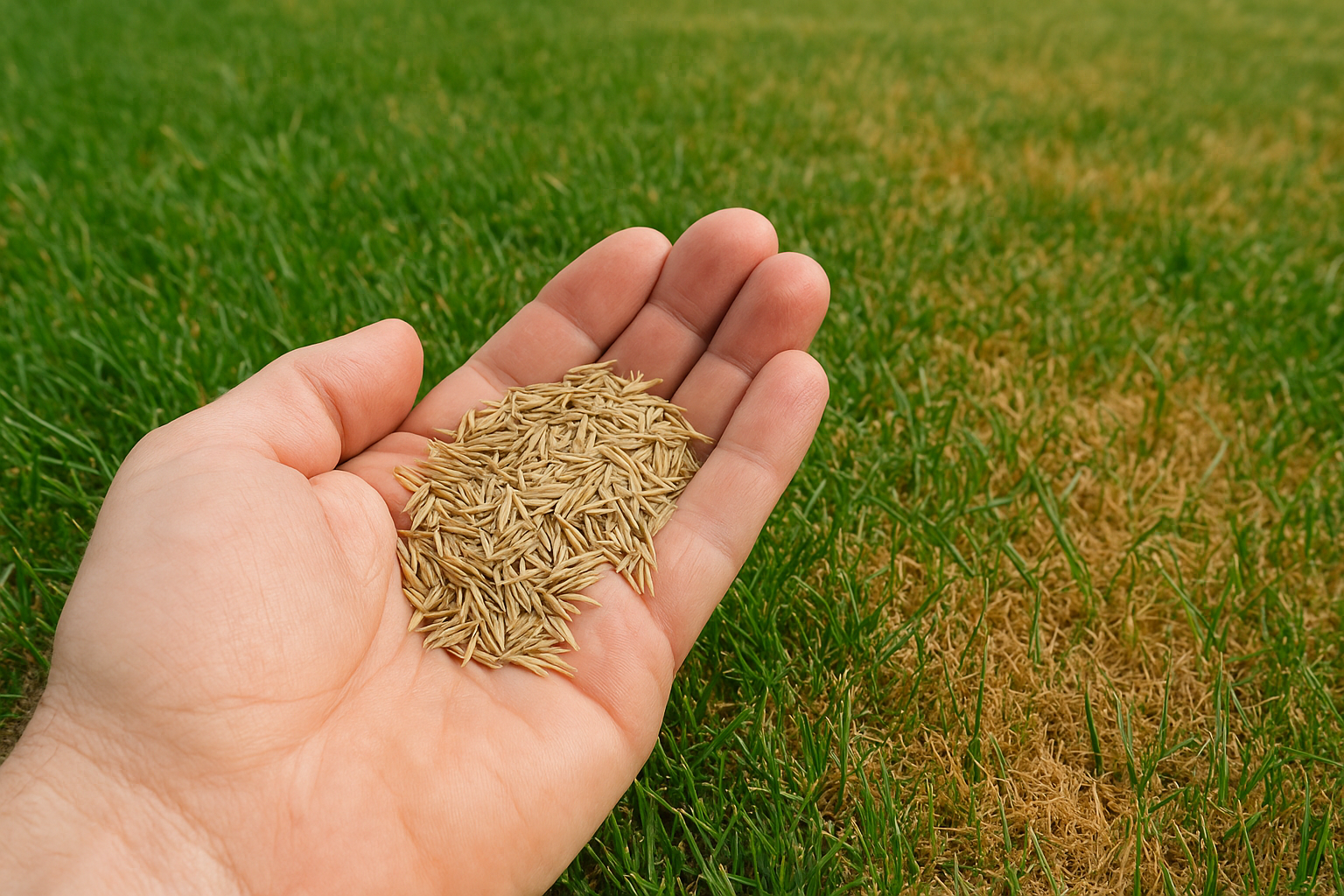
As climate change accelerates and water scarcity becomes increasingly prevalent, the way we approach landscaping and gardening is shifting dramatically. One of the most significant innovations in this space is the introduction and popularization of drought-tolerant grass seed. In this article, we will delve deep into what drought-tolerant grass seed is, its benefits, types, how to select the right seeds for your needs, and answering some of the most common questions that arise when considering these green solutions.
Understanding Drought-Tolerant Grass Seed
What is Drought-Tolerant Grass Seed?
Drought-tolerant grass seed refers to specific varieties of grass that are bred or cultivated to thrive with minimal water. These grasses have evolved mechanisms to withstand periods of drought and heat, making them ideal for regions experiencing water scarcity or for homeowners looking to conserve water.
How Does Drought-Tolerant Grass Survive?
Drought-tolerant grasses have developed several unique traits that allow them to manage water more efficiently:
-
Deep Root Systems: These grasses often extend their roots deeper into the soil compared to regular varieties, allowing them to access moisture stored below the surface.
-
Water-Saving Features: Many drought-tolerant species have leaf structures that minimize water loss. They may possess a waxy coating or narrow leaf blades that limit evaporation.
-
Dormancy Mechanism: Some grasses can enter a dormant state when water is scarce, thus conserving energy and moisture until more favorable conditions return.
The Benefits of Drought-Tolerant Grass Seed
1. Water Conservation
The most apparent benefit of employing drought-tolerant grass seed is water conservation. Traditional lawns require significant irrigation, especially in dry regions. By switching to drought-resistant varieties, homeowners can significantly reduce their water usage—sometimes by more than 50%.
2. Lower Maintenance Costs
With less water necessity comes reduced maintenance. Less frequent watering means fewer expenses, from your water bill to lawn care services. Additionally, drought-tolerant grasses often require less fertilization and aeration, further cutting costs.
3. Environmental Benefits
Using drought-tolerant grass promotes biodiversity and supports local ecosystems. Many of these grasses provide habitats for native wildlife, reducing the need for chemical pesticides and herbicides, which can harm local flora and fauna.
4. Aesthetic Integrity
Contrary to the belief that drought-tolerant grass is less visually appealing, many varieties offer beautiful aesthetics. They can maintain their lush green appearance even in dry conditions, and many have unique textures and colors.
5. Climate Resilience
Drought-tolerant grasses are more resilient to extreme weather conditions, making them a robust choice in the face of climate change. They adapt to varying weather conditions more readily than traditional grasses.
Types of Drought-Tolerant Grass Seed
There are several types of drought-tolerant grass seeds available on the market. Understanding the options can help in selecting the right variety for your region and lawn type.
1. Bermuda Grass
Bermuda grass is a warm-season grass known for its drought resistance and heat tolerance. It is popular in southern states and transitions zones.
Pros:
- Excellent drought resistance
- Establishes quickly
- Thrives in full sun
Cons:
- Requires full sun
- Can be invasive in some areas
2. Fescue Grass
Tall fescue is a cool-season grass celebrated for its adaptability and drought tolerance. It features a deep-rooted system that allows it to thrive in less water.
Pros:
- Adaptable to varying climates
- Great for transitional zones
- Tolerates shade better than Bermuda grass
Cons:
- May go dormant in extreme heat
3. Zoysia Grass
Zoysia grass is a warm-season grass that is extremely drought-tolerant and resilient. It grows slowly but creates a thick, carpet-like lawn.
Pros:
- Very drought resistant
- Dense growth discourages weeds
Cons:
- Slow to establish
- May need extra care in cold weather
4. Buffalo Grass
Buffalo grass is a native North American species adapted to arid conditions. It’s ideal for prairie-like landscapes and is exceptionally low-maintenance.
Pros:
- Low maintenance
- Excellent drought resistance
- Grows well in poor soil conditions
Cons:
- Takes longer to establish
- Limited shade tolerance
5. Perennial Ryegrass
While not as drought-tolerant as other options, perennial ryegrass can be mixed with other grass seeds to create a resilient lawn. It establishes quickly and offers a lush appearance.
Pros:
- Quick germination
- Tolerates cold conditions
Cons:
- Needs regular watering to establish
Selecting the Right Drought-Tolerant Grass Seed
What Factors Should You Consider?
-
Climate: Climate is a crucial factor when selecting the right drought-tolerant grass. Warm-season grasses thrive in southern climates, while cool-season grasses are best for northern areas.
-
Soil Type: Understanding your soil type helps determine the grass seed that will flourish. Sandy, loamy, or clay soils each host different grasses that excel in specific conditions.
-
Sun Exposure: Consider the amount of sun your lawn receives. Certain grasses thrive in full sun, while others do well in shady regions.
-
Use: How you plan to use your lawn—whether for recreational activities, aesthetics, or as a habitat for wildlife—can influence your choice of grass seed.
How to Prepare Your Lawn for Planting
Step 1: Soil Testing
Conduct a soil test to check pH levels, nutrient content, and drainage capabilities. This will give you insight into how to best prepare your soils, such as adding nutrients or organic matter.
Step 2: Soil Preparation
Clear any existing grass or weeds from the area you wish to plant. Loosen the soil with a rake or hoe, and mix in organic compost to aid moisture retention.
Step 3: Seeding
Follow the instructions on the seed package carefully when planting. Use a broadcast spreader for even distribution, and ensure to avoid over-seeding, which can lead to competition for nutrients.
Step 4: Watering
Initially, the area will need regular watering until the grass is established. After that, moderation is key; ensure that you do not overwater.
Frequently Asked Questions (FAQs)
1. How do drought-tolerant grasses compare in looks to traditional grass?
Drought-tolerant grasses are not only functional but also beautiful. They maintain a rich green color even in dry conditions and often have unique textures that add visual interest to your lawn.
2. How much water do drought-tolerant grasses need?
While traditional lawns might require 1-2 inches of water per week, drought-tolerant grasses often thrive with as little as 0.5 inches. Once established, many can survive on rainfall alone during typical dry seasons.
3. Can I mix drought-tolerant grass with my current lawn?
Absolutely! Many homeowners opt to mix drought-tolerant varieties with existing lawns to create a more resilient landscape. Perennial ryegrass, for example, can be blended with other grasses to improve drought resistance. However, be sure to consider the compatibility of species and their growth habits.
4. Can drought-tolerant grasses grow in shaded areas?
While some drought-tolerant grasses like tall fescue can tolerate shade, many prefer full sun. If you have a shaded area, be sure to choose a grass variety specifically marketed for shade tolerance.
5. What is the cost difference between drought-tolerant grass seed and regular grass seed?
Generally, prices may vary based on the variety and location, but the cost of drought-tolerant grass seeds is often comparable to or slightly more than that of conventional grass seed. Going drought-tolerant can lead to significant water savings over time, offsetting the initial investment.
6. Are drought-tolerant grasses invasive?
Most drought-tolerant grass varieties have been bred to fit the ecological balance of their respective environments. However, it’s essential to research your chosen varieties; some grasses may become invasive in certain areas, potentially outcompeting native species.
7. How long do I need to water my new drought-tolerant grass?
Initially, new grass requires frequent watering to establish roots—usually every 2-3 days for the first two weeks, tapering off gradually. Once it is well-established, you can significantly reduce frequency and quantity, adhering to recommended guidelines for drought-tolerant grasses.
8. Can I use fertilizers with drought-tolerant grasses?
Drought-tolerant grasses typically require less fertilizer than traditional grass varieties. If you choose to fertilize, opt for organic or slow-release fertilizers to minimize chemical runoff and promote soil health.
Conclusion
Drought-tolerant grass seed is more than just a practical solution to the challenges of water scarcity; it represents a shift towards sustainable landscaping that aligns with the needs of our changing climate. Whether you’re looking to conserve water, reduce maintenance costs, or beautify your property, incorporating drought-tolerant grasses into your landscape design offers a plethora of benefits.
Investing in drought-tolerant grass not only contributes to your lawn’s health and appearance but also positively impacts the environment by promoting biodiversity and resilience in the face of climate change. With careful selection and preparation, you can create a stunning green oasis that thrives even in the driest conditions. By making informed decisions, you are not only improving your landscape but also playing an essential role in preserving our planet’s vital resources for future generations.