
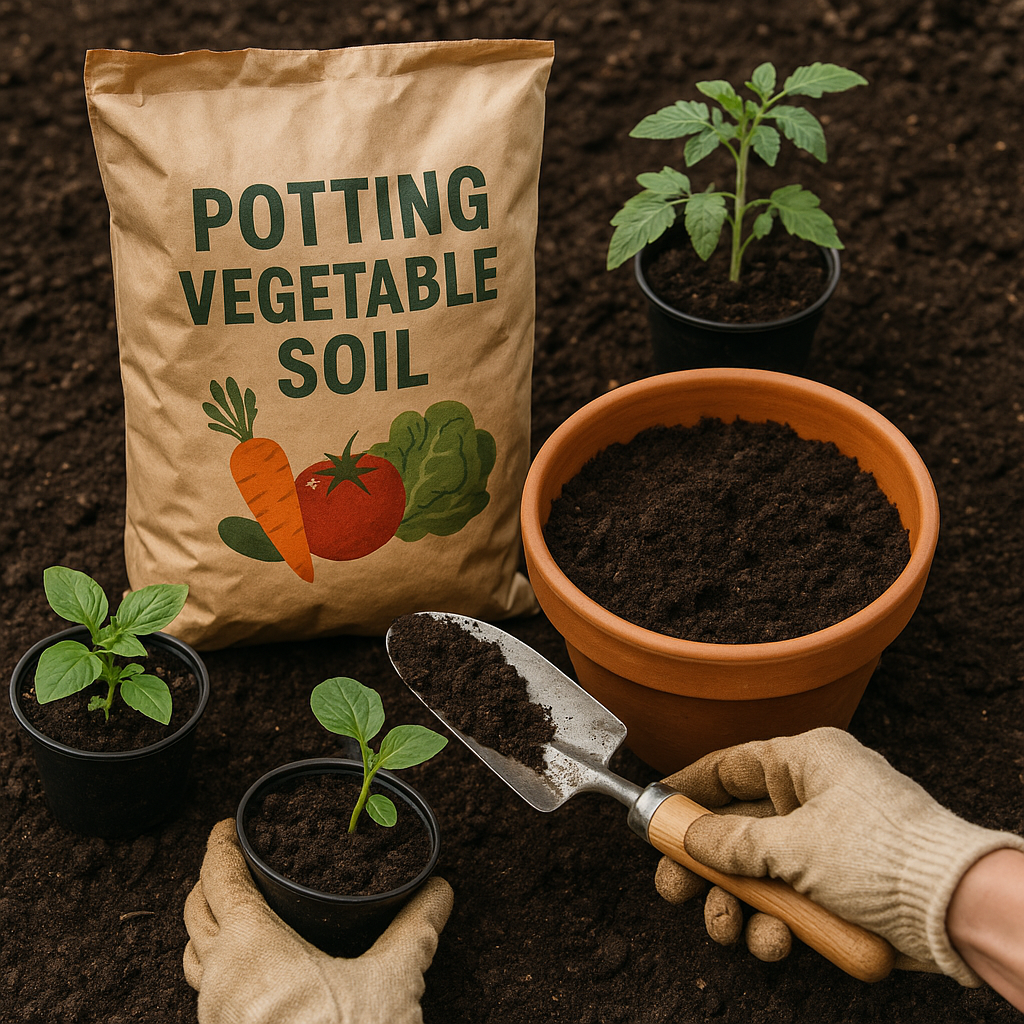
Potting soil is a pivotal element of successful gardening, especially for those who wish to grow vegetables in containers. Proper understanding of potting soil can lead to more fruitful harvests and healthier plants. In this extensive guide, we will explore the composition of potting soil, the types specifically suited for growing vegetables, and offer answers to frequently asked questions. Let’s dig in!
Understanding Potting Soil
Potting soil, or potting mix, is a soil substitute designed for container gardening. Unlike garden soil, which can be heavy and dense, potting soil is formulated to provide an optimal environment for root growth, drainage, and nutrient retention. It typically contains organic materials that promote growth and health in potted plants.
Key Ingredients of Potting Soil
The primary components of potting soil include:
-
Peat Moss: This is a common ingredient in potting soils known for its ability to retain moisture while allowing air circulation. Peat moss is lightweight, making it ideal for container gardening.
-
Coconut Coir: An excellent alternative to peat moss, coconut coir is eco-friendly and provides good moisture retention. It helps in improving aeration and drainage within the potting mix.
-
Vermiculite and Perlite: These lightweight aggregates improve aeration and drainage. They prevent compacting, ensuring that roots receive oxygen and that excess water drains effectively.
-
Compost: Compost rich in nutrients not only feeds plants but also enhances soil structure. It can be homemade or purchased from a garden store.
-
Fertilizer: Some potting mixes contain slow-release fertilizers that provide essential nutrients over time, ensuring your plants receive the nutrients they need for growth.
-
Sand: Coarse sand can be blended into potting soil for additional drainage, making it perfect for plants that require drier conditions.
The Importance of Good Potting Soil for Vegetables
Using quality potting soil is imperative for growing vegetables in containers. Here’s why:
- Root Development: Good potting soil encourages healthy root systems, which are essential for nutrient uptake and overall plant health.
- Moisture Management: Quality potting soil retains moisture without becoming overly soggy, preventing root rot while supplying the plants with essential water.
- Nutrient Supply: Nutrient-rich potting soil supports the growth of your vegetables. The right balance of nutrients can enhance flavor and yield.
- Aeration: Well-aerated soil allows roots to breathe. Compacted soil can stifle root development, leading to poor plant growth.
Choosing the Right Potting Soil for Vegetables
When selecting potting soil for your vegetable garden, consider the following factors:
1. Type of Vegetables You Plan to Grow
Different vegetables have varying soil requirements. Leafy greens like lettuce and spinach thrive in well-draining soil, while root vegetables like carrots and potatoes benefit from looser, sandier soil. Tomatoes, cucumbers, and peppers require nutrient-rich mixes for optimal growth.
2. Organic vs. Non-Organic
Organic potting mix is made from natural materials and does not contain synthetic additives. If you’re growing vegetables, especially those you plan to consume, choosing organic potting soil can be beneficial for your health and the environment.
3. Moisture Retention Capacity
Consider the watering needs of your vegetables. Some potting soils are specifically designed for moisture retention, while others are better for drainage. Read the product descriptions carefully to assess whether it meets the moisture retention needs of your chosen vegetables.
4. pH Levels
Vegetables have varying pH requirements. Most prefer a slightly acidic to neutral pH (6.0 to 7.0). Testing your potting soil’s pH can give you insights into its compatibility with your vegetable choices.
5. Size of the Container
The size of the container will influence how much potting soil you need and therefore how much weight the soil can support. Larger containers typically require denser mixes to support the weight of more mature plants.
FAQs about Potting Vegetable Soil
1. What is the difference between potting soil and garden soil?
Answer: While garden soil is intended for ground planting and is often packed with beneficial amendments, it can be too heavy and dense for container gardening. Potting soil is specifically formulated for providing the appropriate aeration, drainage, and nutrient balance conducive to container-grown plants.
2. Can I use regular soil for potting vegetables?
Answer: It’s generally not advisable to use regular garden soil in containers. Garden soil can compact easily, making it difficult for roots to grow and potentially harboring pests or diseases. Instead, opt for a quality potting mix designed for container gardening.
3. How often should I change the potting soil in my vegetable containers?
Answer: Over time, potting soil can break down, losing its structure and nutrient content. An ideal practice is to refresh potting soil annually. If you notice poor drainage or stunted plant growth, it’s time to replace the soil.
4. Can I make my own potting soil?
Answer: Absolutely! You can create your own potting mix by combining equal parts of peat moss (or coconut coir), compost, and perlite or vermiculite. Adjust the ratios based on the specific needs of the vegetables you wish to grow.
5. What should I look for in a pre-packaged potting mix?
Answer: Look for a mix that lists high-quality organic ingredients. It should include peat moss or coconut coir, perlite or vermiculite for drainage, compost for nutrition, and a slow-release fertilizer. Avoid mixes that have added synthetic chemicals.
6. How can I improve the drainage in my potting soil?
Answer: Mix in materials like perlite, vermiculite, or coarse sand. These additives will enhance aeration and drainage, ensuring that excess water can escape and preventing root rot.
7. What are the signs that my vegetables are suffering from poor potting soil?
Answer: Common signs include stunted growth, yellowing leaves, wilting even when soil is moist, and root rot or fungal issues. Addressing potting soil quality early can help save your plants.
Maintaining Healthy Potting Soil
Maintaining the health of your potting soil is vital for achieving a bountiful vegetable harvest. Regular practices can help sustain its life and effectiveness:
1. Fertilizing
Vegetables deplete nutrients from soil quickly, especially in confined spaces like pots. Regularly fertilize with a balanced organic fertilizer, such as compost tea, fish emulsion, or worm castings, to nourish your plants. Be mindful of your vegetables’ growth stages, as nutrient requirements will change.
2. Moisture Management
Monitor soil moisture levels frequently. Overwatering can lead to root rot, while under-watering can cause stress and stunted growth. Using self-watering containers can help manage moisture levels more effectively.
3. Mulching
Applying a layer of organic mulch to the top of your potted vegetables can help retain moisture, regulate temperature, and suppress weeds. Materials such as straw, grass clippings, or shredded leaves work well as a mulch.
4. Biannual Refresh
Consider refreshing your potting soil every year or at the beginning of each growing season. Remove the top 2-3 inches of soil and replace it with fresh potting mix. This will replenish nutrients and improve soil structure.
5. Assess Plant Health
Regularly evaluate your plants for signs of distress. Leaf colors, wilting, or pests can provide insights into the quality of your potting mix and the overall health of the plant. Adjust your care practices accordingly.
Eco-Friendly Alternatives and Practices
Sustainable gardening practices are increasingly important in our modern world. As an environmentally-conscious gardener, consider the following alternatives and practices:
1. Choosing Eco-Friendly Potting Ingredients
When creating your own potting mix or selecting pre-packaged ones, look for brands that prioritize sustainability. For example, some companies harvest peat moss responsibly, while others offer substrates made from recycled materials.
2. Utilizing Kitchen Scraps
Kitchen scraps can be composted to create nutrient-rich organic compost. Incorporate this homemade compost into your potting soil for an eco-friendly boost.
3. Rainwater Harvesting
When watering your vegetables, consider using rainwater. Establish a rainwater collection system to reduce your water consumption and support your garden sustainably.
4. Plant Diversity
Interplanting different vegetables can reduce the risk of pests and diseases. Using a diverse selection not only promotes ecological balance but can also prevent soil degradation.
Conclusion
With careful consideration and understanding of potting soil, you can cultivate a productive vegetable garden, even in limited spaces. The right kind of potting mix is crucial to the health and productivity of your plants, promoting robust growth while providing necessary nutrients. By following the guidelines in this article, you can create an enriching environment for your vegetables, ensuring a flourishing garden filled with fresh, home-grown produce.
Gardening is more than just a hobby; it’s a rewarding connection with nature and an opportunity to feed yourself and your loved ones. So, grab your pots, mix your soil, and embark on a veggie-growing adventure that will delight your palate and nourish your soul. Happy gardening!