
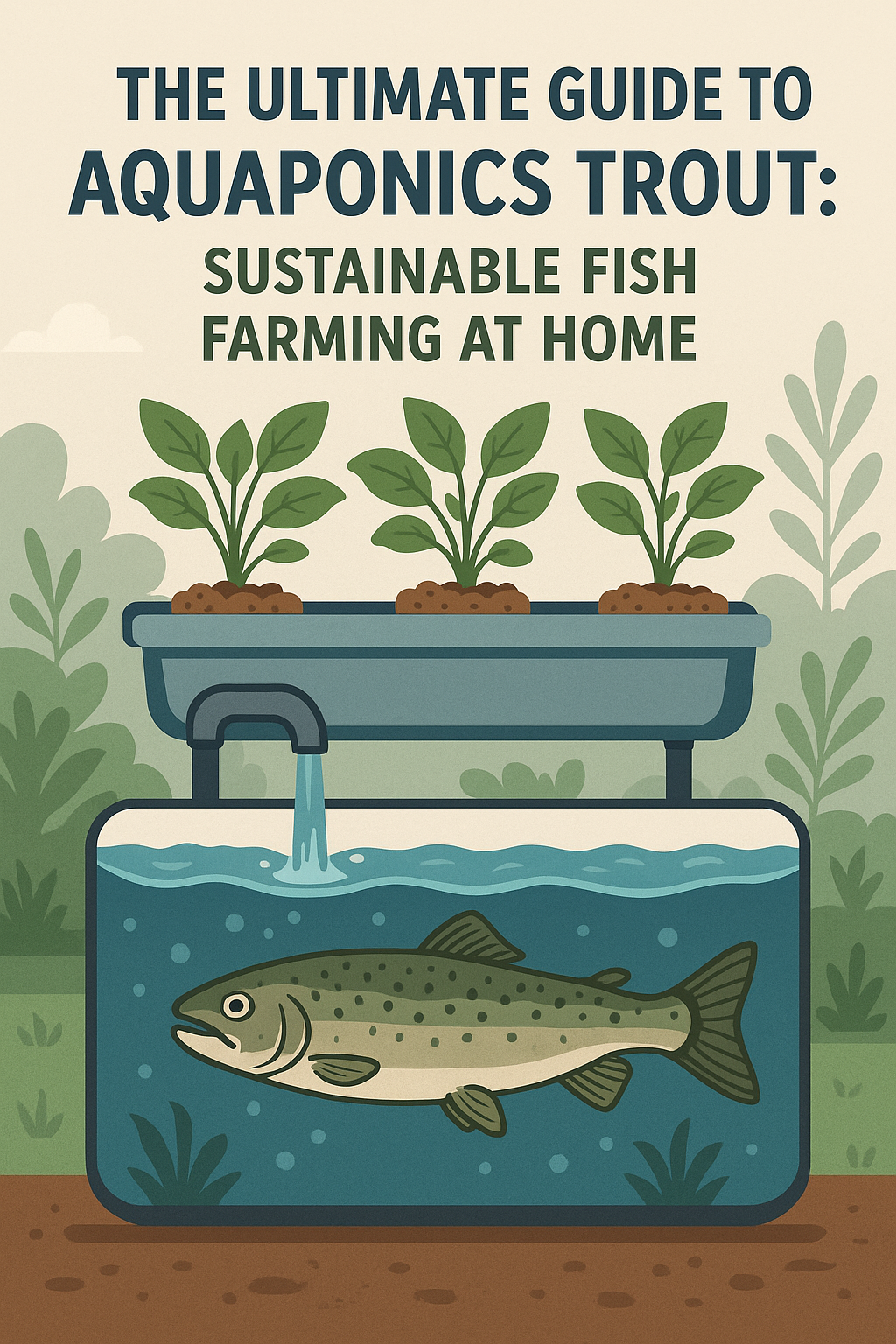
Aquaponics, a method of agriculture that combines aquaculture (raising fish) and hydroponics (growing plants in water), is rapidly gaining popularity as a sustainable farming solution. One of the most intriguing aspects of aquaponics is its potential to cultivate trout, a popular freshwater fish revered for its flavor and health benefits. This article dives deep into the world of aquaponics trout farming, providing you with a wealth of information about its benefits, challenges, and best practices, while answering common questions that prospective aquaponics enthusiasts might have.
Understanding Aquaponics
What is Aquaponics?
Aquaponics is a symbiotic system where fish and plants are grown together in a closed-loop environment. In this system, fish waste provides an organic nutrient source for the plants, while the plants help filter and purify the water, creating an ideal environment for the fish. This sustainable method reduces water usage, encourages biodiversity, and minimizes the need for chemical fertilizers.
How Does It Work?
In a basic aquaponics system, water from the fish tank, rich in ammonia from fish waste, is pumped to a grow bed filled with plants. Beneficial bacteria in the grow bed convert ammonia into nitrites and then nitrates, making the nutrients accessible to the plants. Once the water is filtered and cleaned by the plant roots, it flows back into the fish tank. The entire system mimics a natural ecosystem, promoting harmony between the fish and plants.
The Advantages of Aquaponics Trout Farming
Sustainable Food Source
-
Environmentally Friendly: Aquaponics uses up to 90% less water compared to traditional soil farming methods. This makes it a remarkable option in areas where water scarcity is a pressing issue.
-
Reduced Chemical Use: Since the biological system relies on natural processes, chemical fertilizers and pesticides become largely unnecessary.
-
Soil-less Growth: With no soil, aquaponics minimizes the issues related to soil degradation, erosion, and the need for arable land.
Nutritional Benefits
Trout is a nutrient-rich fish that offers numerous health benefits. It is high in omega-3 fatty acids, which are essential for heart health, brain function, and reducing inflammation. Additionally, trout is an excellent source of protein, vitamins (particularly B vitamins), and minerals such as selenium and phosphorus.
Economic Viability
Aquaponics trout farming offers a unique opportunity for entrepreneurs. With the rising demand for sustainably sourced seafood and locally grown produce, aquaponics systems can provide substantial financial returns. Small-scale operations can successfully serve local markets, restaurants, and community-supported agriculture (CSA) programs, contributing to local economies.
Setting Up Your Aquaponics Trout Farm
What Do You Need to Get Started?
-
Space: Begin by choosing a suitable location. Depending on the scale of your operation, consider indoor spaces (like warehouses) or greenhouses that can protect your fish and plants from extreme weather conditions.
-
Fish Tank: The size of your fish tank will depend on how many trout you plan to raise. A common beginner size is around 200 gallons. Ensure it’s made from non-toxic materials.
-
Grow Beds: These can be constructed from various materials (PVC, wood, etc.) and can take many forms, including media beds, deep water culture, or nutrient film techniques.
-
Pumps and Aeration Systems: Proper water circulation and aeration are vital for your fish’s health. A submersible pump, air pump, and air stones will help maintain oxygen levels in the water.
-
Filtration System: A biofilter is essential for converting fish waste into nutrients. This can be done using existing media like gravel or specific filtration systems.
-
Test Kits: Regularly monitor water quality using kits that test for pH, ammonia, nitrite, and nitrate levels to ensure a healthy environment for both fish and plants.
What Fish Should You Choose?
Trout are an excellent choice for aquaponics due to their fast growth rate and marketability. However, it’s essential to decide what species of trout suits your climate and setup. The two most common types include:
-
Rainbow Trout: Fast-growing and adaptable to various conditions, rainbow trout is a preferred choice for many aquaponics enthusiasts and can thrive in water temperatures ranging from 50 to 68 °F (10 to 20 °C).
-
Brook Trout: Preferring cooler waters, brook trout are also a popular choice but require stricter environmental controls.
Plant Options for Aquaponics Trout Systems
What Can You Grow?
Aquaponics allows for a wide variety of plants to be cultivated alongside trout. Here are some popular plant options:
-
Leafy Greens: Lettuce, kale, and spinach thrive well in aquaponics and offer quick harvest cycles.
-
Herbs: Basil, mint, and parsley are excellent choices that can be sold fresh or used in various culinary applications.
-
Fruiting Plants: Tomatoes, peppers, and cucumbers can also grow in aquaponics systems but require a bit more attention to their nutrient needs.
-
Root Vegetables: Be careful with root vegetables like carrots and potatoes, as they often require more space and specific conditions that aquaponics systems might not provide.
How Should Plants Be Grown?
Plants can be grown in several ways, and you may choose the method that best suits your system:
-
Media-Based Systems: Utilizing gravel or clay pellets allows for excellent drainage and aeration for plant roots.
-
Deep Water Culture (DWC): In this method, plant roots dangle in nutrient-rich water, providing them with adequate nutrients and oxygen.
-
Nutrient Film Technique (NFT): In NFT, a thin film of water containing nutrients flows over the roots of plants, maximizing nutrient uptake.
The Nitrogen Cycle: A Key to Successful Aquaponics
Why is the Nitrogen Cycle Important?
Understanding the nitrogen cycle is crucial for successful aquaponics trout farming. Here’s how it works:
-
Ammonia Production: Fish naturally produce ammonia through waste. Ammonia is toxic to fish, making its management critical.
-
Conversion to Nitrite: Beneficial bacteria (Nitrosomonas) convert ammonia into nitrite, which is still harmful to fish but at a lower level.
-
Conversion to Nitrate: Another group of bacteria (Nitrobacter) then converts nitrite into nitrate, which serves as an essential nutrient for plants.
-
Nutrient Uptake: Plants absorb nitrates, which helps purify the water.
Regular monitoring of ammonia, nitrite, and nitrate levels is vital to maintain a balanced ecosystem and to ensure that both fish and plants thrive.
Common Challenges in Aquaponics Trout Farming
What Challenges Will You Face?
-
Temperature Control: Trout require cooler temperatures, so maintaining the appropriate water temperature can be a challenge in warmer climates or during summer months.
-
Water Quality: Poor water quality can rapidly lead to fish stress and disease. Regular monitoring and swift remediation are essential.
-
Pest Management: While aquatic pests are less of a concern than traditional farming, plant pests can still pose threats. Organic pest management practices should be employed to avoid chemical use.
-
Learning Curve: Like any other agricultural endeavor, aquaponics has a learning curve. Patience and persistence are crucial for troubleshooting and learning from mistakes.
Economic Considerations
Is Aquaponics Trout Farming Profitable?
-
Costs vs. Benefits: Initial setup costs can be high, depending on the scale of your operations, materials used, and technology implemented. However, successful ventures can yield significant financial benefits through fish and plant sales, particularly in local markets focused on sustainability.
-
Market Demand: Research local market conditions. With the increased demand for organic, sustainable seafood, aquaponics trout can find favorable pricing, especially in communities prioritizing local produce.
-
Scalability: Aquaponics systems can be scaled up or down to fit your goals, allowing for flexibility in operations.
Conclusion: A Future Forward
Aquaponics trout farming represents a unique intersection of sustainable living and modern technology. As our global community faces pressing challenges like food security, climate change, and environmental degradation, innovative approaches like aquaponics may become essential solutions for sustainable food production.
By incorporating these methods into your farming practices, you contribute not only to personal health and economic viability but also to the larger objective of creating a more sustainable future. Whether you’re a backyard gardener, an aspiring entrepreneur, or just curious about aquaponics, the world of trout farming is rich with potential—waiting for innovative thinkers to take the plunge.
Frequently Asked Questions
-
Can aquaponics systems be set up indoors?
- Absolutely! Indoor systems can offer complete control of the environment, leading to optimal growth conditions year-round.
-
What is the best fish food for trout in aquaponics?
- Look for high-quality, fishmeal-based formulations that meet the dietary needs of trout.
-
How often should I test my water?
- Weekly testing is recommended when starting out, with less frequent checks once your system stabilizes.
-
Is aquaponics organic?
- While aquaponics itself is a clean method, whether or not your operation is certified organic can depend on specific regulations in your area.
By combining science, technology, and ecological harmony, aquaponics trout farming isn’t just a business model—it’s a visionary approach to nurturing our planet. With the right knowledge and tools, anyone can embark on this incredible journey into sustainable aquaculture.