
Gardening is both an art and a science, and in the realm of organic gardening, the symbiotic relationship between soil and plant health is paramount. Among the many techniques gardeners can deploy, aeration stands out as one of the most effective practices for cultivating a thriving organic garden. This article aims to delve deep into the nuances of aeration, answering questions you may have and providing a comprehensive overview of its benefits and methodologies—ultimately illuminating how to harness its power for your vibrant organic plot.
What is Aeration?
At its core, aeration refers to the process of introducing air into the soil. This can be achieved through various methods, each designed to enhance soil structure, improve moisture retention, and promote healthy root development. The idea stems from the understanding that healthy soil is teeming with life, and this life depends on sufficient air—both in terms of oxygen for aerobic organisms and the overall arrangement of soil particles.
Why is Aeration Important for Organic Gardens?
1. Enhances Nutrient Uptake
One of the primary roles of soil aeration is to improve the ability of roots to absorb nutrients. Nutrient availability often relies on the presence of oxygen in the soil; when soil becomes compacted, it limits root growth and inhibits the function of microorganisms that break down organic matter.
2. Promotes Healthy Microbial Activity
Aerated soil fosters a diverse community of beneficial microorganisms, including bacteria, fungi, and nematodes. These organisms play a critical role in decomposing organic matter, releasing essential nutrients into the soil. Hypoxic (low oxygen) conditions can lead to a proliferation of harmful anaerobic bacteria that could inhibit plant growth or, worse, harm the plants themselves.
3. Improves Drainage
A well-aerated soil structure helps to reduce water pooling and encourages efficient drainage. Excess water can lead to root rot and other moisture-related issues. By creating air pockets, aeration facilitates better water management, ensuring that moisture reaches your plants without becoming stagnant.
4. Supports Root Growth
Roots need space to expand and grow. Aeration breaks up compacted soil, allowing roots to penetrate deeper in their quest for water and nutrients. This contributes to a healthier and more resilient plant, capable of withstanding environmental stresses such as drought.
5. Reduces Soil Compaction
Soil compaction can result from foot traffic, equipment, or even the natural settling of soil. Compacted soil restricts air flow and inhibits root growth. Regular aeration can mitigate these effects and maintain optimal soil structure.
How Can I Aerate My Organic Garden?
The most effective aeration technique will largely depend on your garden’s size, the type of soil, and the specific crops you’d like to grow. Below, we explore various methods for aerating an organic garden.
1. Mechanical Aeration
- Aeration Tools: Mechanical aerators come in various forms, including core aerators, spike aerators, and even manual options like hand-held aerators. Core aerators remove small soil plugs (cores) from the ground, creating holes that allow for air exchange.
- How to Use: For larger garden plots, especially with heavy clay soils, using a core aerator is ideal. Pass the aerator over the garden in a crisscross pattern. Aim for a density of holes roughly every 4-6 inches apart.
2. Manual Aeration
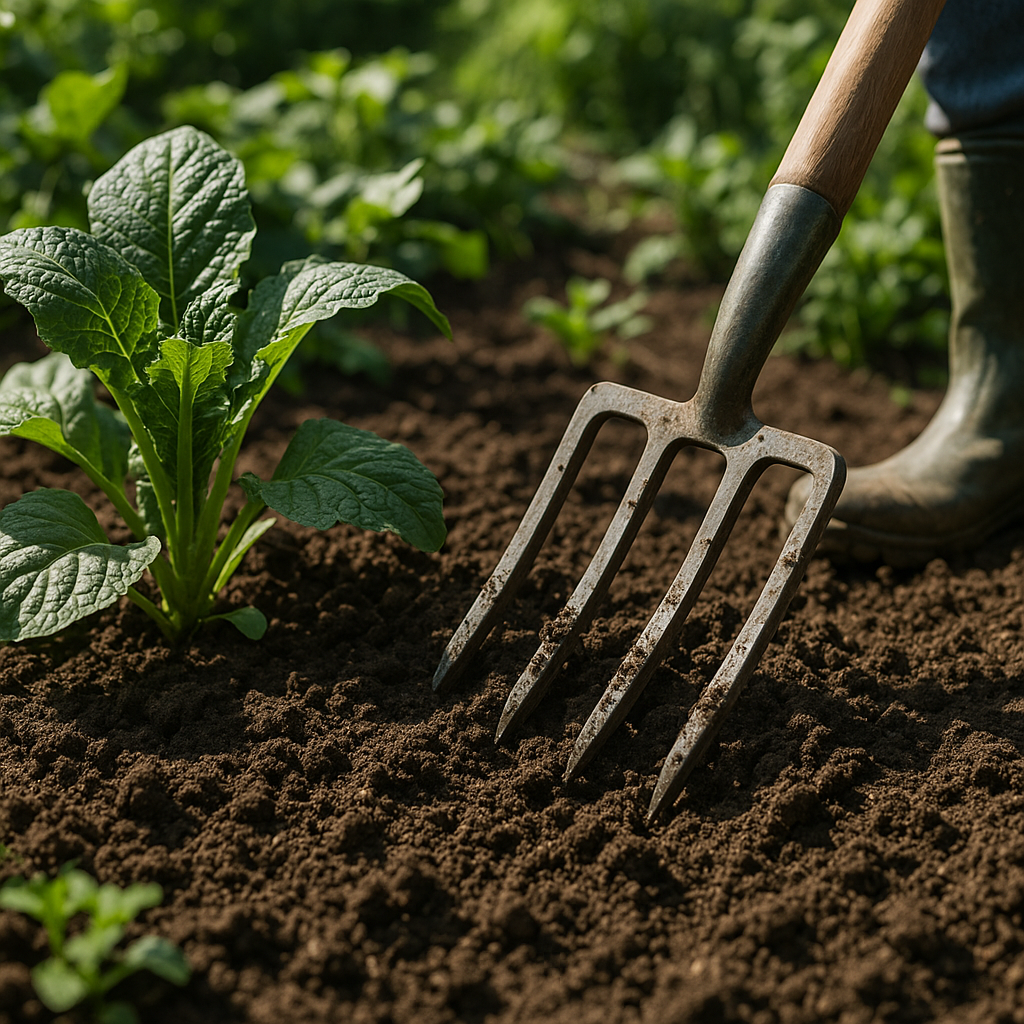
- Garden Fork: For smaller gardens or in tight spaces, a garden fork can serve as an excellent alternative. Simply drive the fork into the soil to a depth of about 6 inches and then gently rock it back and forth to break up compaction.
- How to Use: Work in rows or sections, spacing the fork imprints roughly 6-8 inches apart. This method lets you physically engage with the soil and can be quite therapeutic!
3. Natural Aeration
- Cover Crops: Sowing cover crops such as clover or vetch can aid in aeration. The roots of these plants naturally penetrate the soil, creating channels that allow air and water to reach deeper levels.
- Worm Castings and Compost: Incorporating organic matter such as compost can significantly enhance aeration. As it decomposes, it creates a porous structure that improves aeration and drainage.
4. Aeration with Water and Pressure
- Water Aeration: Use a method called “aerobic watering,” or watering with a high-pressure hose, can help penetrate the soil while simultaneously introducing air. This technique is especially useful during the initial stages of planting or when the soil feels dry.
5. Mulching Techniques
- Organic Mulch: Applying a layer of organic mulch can not only suppress weeds but also enhance soil aeration as it breaks down.
- How to: Spread a 2-3 inch layer of organic material (straw, shredded leaves, or wood chips) around plants. As the mulch decomposes, it improves soil structure, allowing more air to move through.
When Should I Aerate My Organic Garden?
Timing is crucial for effective aeration. Here are a few guidelines to follow:
- Spring and Fall: These are the ideal times for aeration, as this timing allows for optimal recovery and growth.
- After Heavy Rainfall: Aerating when the soil is slightly moist (not overly saturated) can increase effectiveness.
- Before Planting: Aerate the soil before planting to create an ideal environment for seeds or transplants.
What are the Signs of Compacted Soil?
Understanding how to identify compacted soil can inform your aeration efforts. Here are some signs to look for:
- Reduced Water Absorption: Water tends to pool on the surface rather than soaking in, indicating compaction.
- Sparse Growth: If your plants are stunted or poorly growing, it may be due to a lack of access to adequate air, nutrients, and moisture.
- Dried Soil Crust: Observe the top layer of soil. A hard crust implies that air cannot penetrate further.
Common Misconceptions About Aeration
Despite its importance, there are several myths surrounding aeration that tend to mislead gardeners:
1. Only Necessary for Compact Soils:
While compacted soils require aeration, even loose soils can benefit. Aeration enhances microbial activity and nutrient uptake, which is beneficial regardless of soil texture.
2. Aeration is a One-Time Procedure:
Aeration is not a one-off task but a continuous practice to maintain healthy soil. Regular aeration, particularly in high-traffic areas, can prevent compaction.
3. Aeration is Only for Lawns:
Though commonly associated with turf, the principles of aeration absolutely apply to vegetable and flower gardens. Healthy soil is the backbone of any thriving garden.
How Does Aeration Impact Soil Structure?
Soil structure refers to how soil particles are arranged. Good structure consists of clumps, or aggregates, of soil particles, which create pore spaces for air and water movement. Aeration helps:
- Loosen Soil: This encourages the breakdown of soil aggregates, creating more pore spaces.
- Enhance Root Penetration: A well-structured soil means that roots can explore more efficiently.
- Support Aerobic Microorganisms: Healthy soil structure fosters oxygen utilization by beneficial bacteria and fungi.
Advancing Your Aeration Skills: Techniques for the Advanced Gardener
Once you’ve grasped the fundamentals of aeration, you may wish to explore more advanced techniques for optimizing aeration.
Combination Practices
- Chisel Plowing: This technique fractures stubborn, compacted layers without disrupting the topsoil significantly. Utilizing chisel plows is beneficial when restoring compacted fields.
Soil Amendments
- Biochar: Incorporating biochar not only enhances aeration but also captures and stores nutrients while improving overall soil health.
Aeroponics
- If you’re feeling adventurous, consider exploring aeroponic gardening. This method grows plants in a soil-less environment, relying entirely on a nutrient-rich mist to support the roots. While not traditional, it creatively addresses aeration and nutrient uptake simultaneously.
Frequently Asked Questions
1. Can I Over-Aerate My Soil?
Yes, over-aeration can lead to soil disturbance, especially during the growing season. Follow the recommended practices for your garden to avoid upsetting the natural balance.
2. What is the Best Tool for Aerating Small Gardens?
A hand-held garden fork is usually the most practical tool for small gardens, offering precision and control. For moderate pressure, a traditional garden spade can suffice.
3. Will Aeration Affect My Garden’s Appearance?
Aeration may make your garden looks a bit less tidy post-process; however, these short-term aesthetics pale in comparison to the long-term health benefits for your plants.
4. Does Aeration Help with Weeds?
Yes, while aeration does not directly remove weeds, by improving soil health and plant vigor, it can lead to a more competitive growth environment that suppresses weed proliferation.
5. Is Aeration Suitable for Container Gardens?
Container gardens typically don’t require aeration, but be sure to choose well-draining pots with holes. You can simulate aeration techniques by repotting with fresh soil regularly.
Concluding Thoughts
Aeration is a fundamental yet often overlooked aspect of organic gardening that can profoundly affect plant health and garden productivity. By understanding the science behind aeration and utilizing various techniques, you have the power to transform your garden into a lush and bountiful space teeming with life. Whether you’re a novice gardener just starting or an experienced green thumb looking to optimize your soil management practices, the insights shared in this article equip you with the knowledge necessary to embrace aeration and reap its myriad benefits.
With consideration and care, your organic garden can flourish, bursting with vibrant colors and yielding an abundance of nutritious produce. So grab your tools, breathe life back into your soil, and enjoy the many gifts that nature has to offer! Happy Gardening!