
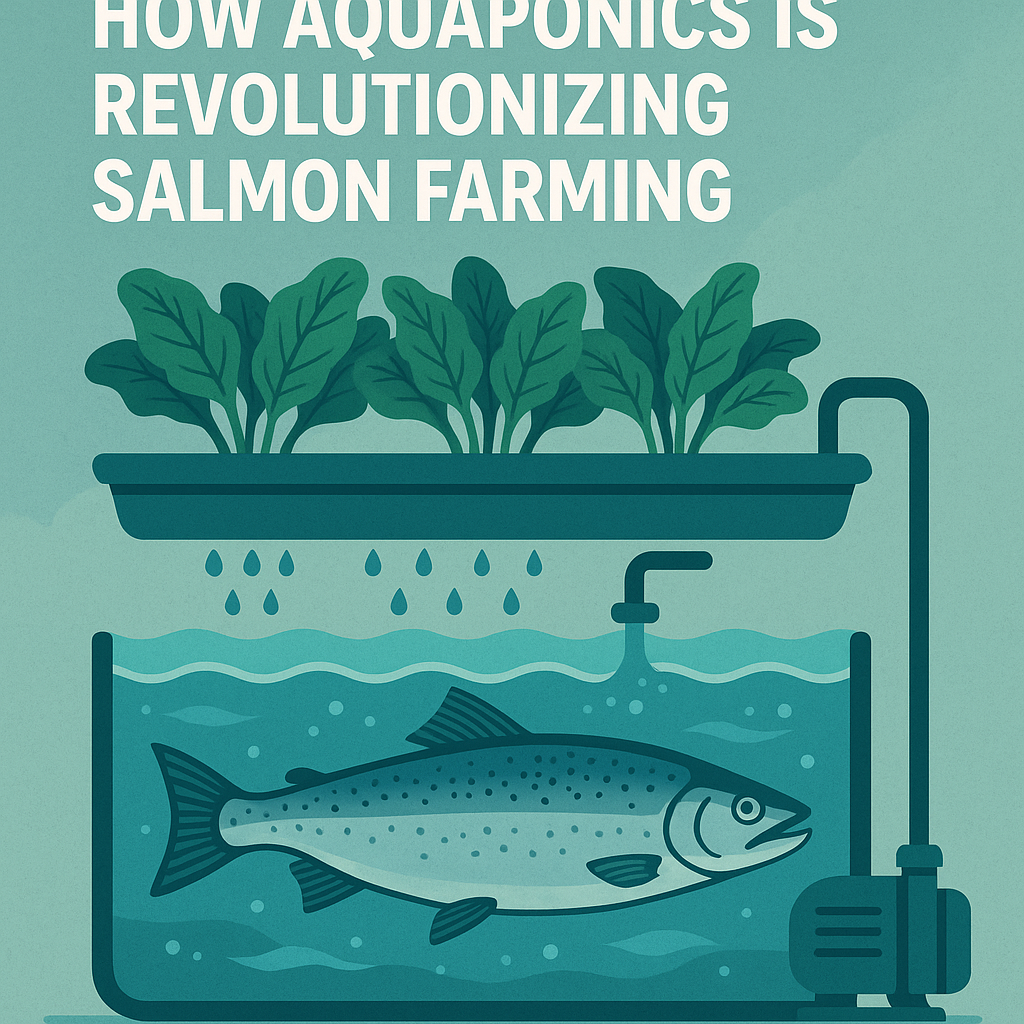
Aquaponics is an innovative farming method that combines aquaculture (the cultivation of fish) and hydroponics (the cultivation of plants in water) into a symbiotic environment. Among the many species that can thrive in an aquaponics system, salmon stands out as a highly sought-after and nutritionally beneficial fish. As the global demand for sustainable seafood continues to rise, the aquaponics approach presents a promising solution to some pressing environmental concerns. In this article, we will delve into the ins and outs of aquaponics salmon, addressing questions surrounding its benefits, challenges, and practical implementation.
What Is Aquaponics?
Understanding the Basics
Aquaponics is a closed-loop system where fish and plants are raised together in a mutualistic environment. The fish produce waste, which contains nutrients. The plants absorb these nutrients through their roots, thus filtering the water that returns to the fish tank, creating an ecosystem that benefits both parties.
The Components of Aquaponics
- Fish Tanks: A controlled environment for growing fish.
- Plants Beds: Where plants are grown, often in media beds or floating rafts.
- Filtration System: This cleans water before it re-enters the fish tanks.
- Pumps and Aeration Systems: These circulate water and ensure that it is adequately oxygenated for fish health.
The Appeal of Salmon in Aquaponics
Salmon is widely regarded for its high omega-3 fatty acid content, rich protein profile, and essential vitamins. However, raising salmon has traditionally posed challenges, particularly concerning the environmental impact, overfishing, and the use of unsustainable feed.
Why Choose Salmon?
- Nutritional Value: Salmon is considered a superfood due to its richness in omega-3 fatty acids, vitamin D, and a variety of B vitamins.
- Growing Market Demand: As consumers seek healthier protein options, the demand for sustainably farmed salmon continues to surmount traditional aquaculture methods.
- Cycle Synchronization: The growth rates and dietary needs of salmon align well with typical aquaponic crops like leafy greens and herbs, making it a suitable choice for integrated farming.
Frequently Asked Questions About Aquaponics Salmon
1. How does one start an aquaponics salmon system?
Starting an aquaponics salmon system involves several key steps:
-
Setting up the Space: Begin with choosing a suitable location that receives adequate sunlight. Depending on your scale, you can start small with a backyard setup or aim for a commercial facility.
-
Choosing the Right Equipment: Invest in fish tanks, grow beds, pumps, and filtration systems. The size of your fish tank will depend on the number of fish you plan to keep.
-
Selecting Fish and Plants: Choose a salmon species (such as Atlantic Salmon) that fits your local climate and regulations. For plant options, leafy greens, herbs, and small fruits work well.
-
Cycle the System: It takes time for the beneficial bacteria to establish (known as cycling), which converts fish waste into plant nutrients. This typically takes 4-6 weeks.
-
Monitoring Parameters: Regularly check water quality parameters such as pH, ammonia, nitrate levels, and dissolved oxygen.
2. What are the benefits of raising salmon in aquaponics?
The benefits of raising salmon in an aquaponics system are manifold:
-
Sustainability: Aquaponics offers a way to produce seafood without the harmful practices associated with conventional fisheries.
-
Water Conservation: Aquaponics uses significantly less water than traditional agriculture, recycling water in a closed loop.
-
Local Food Production: By growing salmon and plants locally, transportation costs and carbon footprints are reduced.
-
Better Fish Welfare: Salmon are less stressed in controlled environments, leading to healthier fish.
3. What challenges might aquaponics salmon farmers face?
While aquaponics presents numerous advantages, it is not without challenges:
-
Regulatory Hurdles: Depending on your location, there may be strict regulations surrounding fish farming.
-
Initial Investment: Setting up a viable aquaponics system, especially for salmon, typically requires a significant financial investment.
-
Knowledge and Skills: A strong understanding of both aquaculture and horticulture is essential for success.
-
Disease and Pest Management: Just like in traditional farming, diseases and pests can be an issue and must be monitored carefully.
4. How can fish health be maintained in an aquaponics system?
Maintaining fish health is crucial to the success of your aquaponics system:
-
Regular Monitoring: Frequent water quality tests to check for ammonia, nitrite, nitrate, and pH levels are essential.
-
Biosecurity Practices: Implementing strict biosecurity measures helps to prevent disease outbreaks.
-
Balanced Diet: Providing a high-quality, sustainable fish feed ensures that your salmon are getting the nutrients they need to thrive.
-
Aeration and Filtration: Ensuring adequate oxygen levels and employing proper filtration techniques will help maintain a healthy environment for the fish.
5. What types of plants grow well in aquaponics systems with salmon?
Many plants can thrive in aquaponic systems with salmon. Some excellent options include:
-
Leafy Greens: Lettuce, kale, and Swiss chard grow quickly and benefit from salmon waste.
-
Herbs: Basil, mint, and cilantro are also popular choices and tend to flourish in aquaponics.
-
Small Fruits and Vegetables: Tomatoes, cucumbers, and peppers can be cultivated but require more careful nutrient management.
The Environmental Benefits of Aquaponics Salmon
1. Reducing Overfishing Impact
The global demand for fish has led to tremendous overfishing, threatening various species, including salmon. An aquaponics system reduces the reliance on wild catch, allowing populations to recover and contributing to the long-term sustainability of marine ecosystems.
2. Minimizing Waste Production
Aquaponics systems are designed to minimize waste by capturing excess nutrients from fish, utilizing them to grow plants. This closed-loop approach effectively turns waste into a resource, reducing overall pollution and environmental impact.
3. Conserving Water Resources
Traditional aquaculture and agriculture are notorious for their high water consumption. Aquaponics can use up to 90% less water than conventional farming methods, making it a water-efficient alternative that is especially crucial in drought-prone areas.
4. Decreasing Chemical Use
In aquaponics, the interconnectedness of fish and plants reduces or eliminates the need for chemical fertilizers and pesticides, which can harm aquatic ecosystems. Beneficial bacteria and natural ecosystems work in harmony to maintain a balanced, healthy environment.
Economic Viability of Aquaponics Salmon
1. Cost Analysis
Although startup costs can be high for an aquaponics salmon farm, the long-term benefits often outweigh these initial investments. The ability to grow local seafood can significantly reduce transportation costs and create more resilient food systems.
2. Market Potential
As consumers increasingly shift toward healthy, sustainable eating, locally sourced aquaponics salmon could carve out a significant niche in the market. Selling directly to consumers or engaging in farm-to-table partnerships can increase profitability.
3. Job Creation
Aquaponics systems can create job opportunities in communities, ranging from farm management to marketing. Given the industry’s growth potential, investing in training and education can foster a skilled workforce.
Innovations in Aquaponics Technology
1. Automation and IoT
With advancements in technology, many aquaponics systems now incorporate IoT (Internet of Things) devices that can automate monitoring and management tasks. Sensors can track pH, temperature, and nutrient levels, sending real-time data to farmers, allowing for quick adjustments.
2. Vertical Farming Integration
Many aquaponics enthusiasts are combining vertical farming techniques to maximize space and productivity. This innovative approach enables farms to grow more plants with limited ground space, making urban settings ideal for aquaponics.
3. Research and Development
Ongoing research in aquaponics aims to address challenges such as disease management and species optimization. Collaborations with universities and agricultural institutions can lead to breakthroughs that enhance system efficiency and output.
Conclusion
Aquaponics salmon is not just a fantastic way to cultivate fish; it represents a sustainable solution to some of the most pressing challenges facing our food systems today. With an increasing focus on environmental stewardship, local food sourcing, and health-conscious eating, aquaponics offers a compelling alternative to traditional methods of farming fish.
Although there are challenges to overcome, the potential benefits of aquaponics—ranging from reduced environmental impact to increased economic opportunities—far outweigh the drawbacks. With the rise of technology and ongoing research, the future looks bright for aquaponics salmon and for anyone interested in creating a more sustainable world.
As consumers, farmers, and policymakers embrace these innovative systems, aquaponics has the potential to transform not just our relationship with food but also our approach to living harmoniously with nature. From backyard setups to commercial enterprises, the journey toward aquaponics salmon is an exciting one, promising a healthier planet for generations to come.