
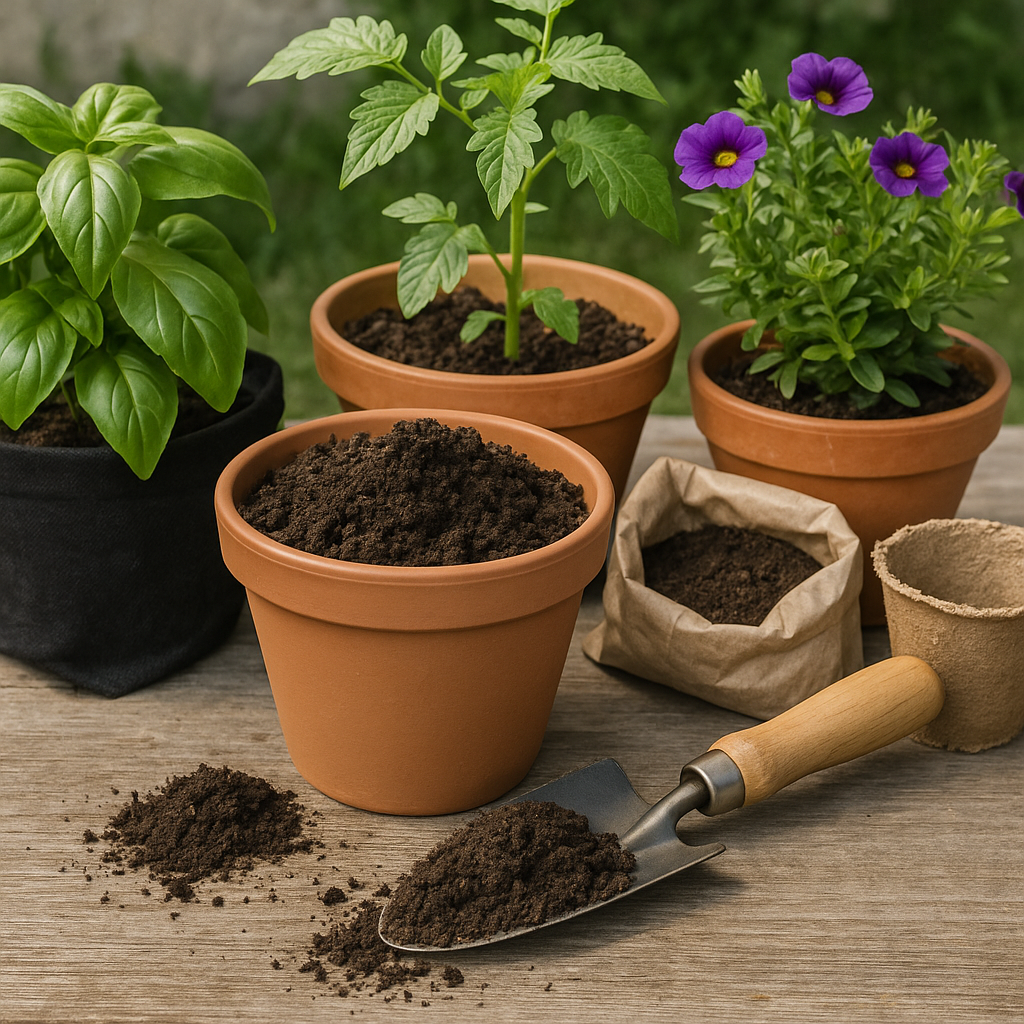
Container gardening is a rewarding and flexible way to grow plants, herbs, and vegetables. Unlike traditional gardening, container gardening allows for a greater degree of mobility and adaptability, making it an appealing choice for those with limited space, such as apartment dwellers or urban gardeners. However, the success of your container garden relies heavily on the quality of the soil you use. In this comprehensive guide, we’ll delve into the best soil for container gardening, answer some key questions, and provide useful tips for creating the ideal growing environment for your plants.
Understanding Container Gardening
Before we dive into the specifics of soil, let’s first clarify what container gardening is. Container gardening involves growing plants in pots or other types of containers rather than in the ground. This method offers several advantages, including:
- Space Efficiency: Perfect for small spaces, patios, or balconies.
- Control Over Soil Composition: Allows for tailored growing conditions.
- Reduced Weed Growth: Less competition from invasive species.
The Role of Soil in Container Gardening
Soil isn’t just a passive medium; it plays a vital role in plant health. It functions as a reservoir for water and nutrients, anchors the plant roots, and promotes the exchange of gases. However, not all soils are created equal. Container gardening requires a unique mix that ensures good drainage, moisture retention, and nutrient availability.
Key Characteristics of Good Container Soil
When selecting or creating soil for container gardening, consider these characteristics:
- Drainage: Excess water should be able to easily escape, preventing root rot.
- Aeration: Loose soil allows air to circulate and provides oxygen essential for root health.
- Nutrient Content: A nutrient-rich environment supports healthy plant growth.
- Moisture Retention: Despite good drainage, the soil should retain some moisture to keep plants hydrated.
What is the Best Soil for Container Gardening?
There are several types of soil mediums available for container gardening, each with its unique advantages. Let’s explore the most well-known options:
1. Potting Mix
Potting mix is a pre-packaged soil blend specifically designed for container gardens. It typically includes a mixture of peat moss, vermiculite or perlite, and compost.
Advantages:
- Lightweight: Makes it easier to move containers.
- Well-Draining: Promotes healthy root growth.
- Pre-Mixed Nutrients: Often contains slow-release fertilizers.
Disadvantages:
- Sustainability Concerns: Peat moss harvesting can damage ecosystems.
- Isolate Limitations: May not hold moisture as well as some natural options.
2. Soilless Mix
Soilless mixes are made from organic materials like coconut coir, bark, and perlite. These are often lighter than traditional soil and allow for excellent aeration.
Advantages:
- No Soil-Borne Pests: Reduces the risk of soil pests and diseases.
- Customizable: Can be tailored to specific plants’ needs.
Disadvantages:
- Nutrient Availability: May require regular fertilization as nutrients can wash away more quickly.
3. Coco Coir
Coconut coir is an increasingly popular medium made from coconut husks. It’s biodegradable, moisture-retentive, and provides good drainage.
Advantages:
- Sustainable: A renewable resource.
- pH Neutral: Offers a balanced environment for most plants.
Disadvantages:
- Can Retain Too Much Moisture: In hot climates, it may require more frequent water checks.
4. Compost
While not a soil substitute on its own, compost can be an excellent additive to potting mixes or soilless mediums.
Advantages:
- Nutrient-Rich: Packed with organic matter that nourishes plants.
- Improves Soil Structure: Aids in aeration and moisture retention.
Disadvantages:
- Weight: Can make the container heavy when mixed with potting soil.
- Inconsistent Quality: Homemade compost can vary widely in nutrient content.
5. Perlite and Vermiculite
These are lightweight volcanic minerals that can be mixed with other soil types to enhance drainage (perlite) or retain moisture (vermiculite).
Advantages:
- Aeration: Both improve soil structure for better root growth.
- Additional Moisture Control: Vermiculite can help retain moisture, making it useful for drought-sensitive plants.
Disadvantages:
- Dust: Perlite can be dusty, so handling may require a mask.
- Limited Nutrients: They don’t provide the nutrients available in richer organic mediums.
FAQs About Soil for Container Gardening
What is the ideal pH level for container garden soil?
The ideal pH for most container-grown plants ranges from 6.0 to 7.5. However, some plants (like blueberries) prefer more acidic soil, while others (like lavender) thrive in alkaline. A simple soil pH test can help you determine if amendments are needed to create the best pH for your specific plants.
How often should I replace container soil?
Soil can be reused for several growing seasons, but nutrients can deplete over time. It’s advisable to refresh the top 2-3 inches of soil annually with new potting mix or compost. Also, if your plants are showing signs of stress or pest infestation, it’s wise to replace the soil entirely.
Can I use garden soil for containers?
While garden soil can be used in container gardening, it is generally not recommended due to its density and potential pest issues. Containers generally require a lighter, well-draining mix that garden soil doesn’t provide. If you’re in a pinch, you can mix garden soil with perlite or sand to enhance drainage.
How can I improve soil drainage for my containers?
Improving soil drainage can often be achieved by adding materials such as perlite, vermiculite, or coarse sand to your existing soil mix. Additionally, ensuring your pots have sufficient drainage holes at the bottom is an absolute necessity.
Do I need to fertilize container plants regularly?
Yes, container plants often require regular fertilization because the nutrients in potting mixes can become depleted more rapidly, especially with fast-growing plants. Use a balanced, slow-release fertilizer while planting and consider supplementing with liquid nutrients during the growing season.
How do I choose the right soil mix for the type of plants I am growing?
Different plants have varying requirements. Herbs and vegetables generally prefer lighter, well-aerated mixes, while succulents require specific soil that drains rapidly. Research your particular plants to determine their needs, or consult local gardening centers for tailored advice.
Tips for Creating the Perfect Container Soil Mix
1. Custom Blends
Create a custom soil blend tailored for your specific plants. A common recipe includes:
- 1 part potting mix
- 1 part compost
- 1 part perlite or coconut coir
2. Water Retention
In dry, hot climates, consider adding water-retaining crystals to your soil mix. As they absorb water, they release it slowly back to the plants.
3. Layering for Success
If you’re using larger containers, consider adding a layer of gravel or broken ceramics at the bottom. This prevents soil from clogging the drainage holes and promotes better drainage.
4. Organic Additives
Incorporate organic additives like worm castings, fish emulsion, or bat guano to boost nutrient content. These organic sources provide a slow release of nutrition over time, enhancing soil health.
5. Monitor Moisture
Containers dry out faster than traditional gardens. Invest in a moisture meter or create a routine to check for dryness at least once a week, particularly during hot weather.
Conclusion
Creating an optimal soil environment for your container garden is crucial for your plants’ vitality and overall success. By understanding the characteristics of various soil types and blends, and by addressing your plants’ specific needs, you’ll be on your way to establishing a flourishing garden, even in the most confined spaces. Whether you’re enjoying vibrant herbs, colorful flowers, or delicious vegetables, the right soil will set the foundation for a garden that thrives.
By following the tips, techniques, and recommendations outlined in this guide, you can embark on your container gardening journey with confidence. Remember, gardening is both a science and an art; don’t hesitate to experiment and find what works best for you and your plants. Happy gardening!