
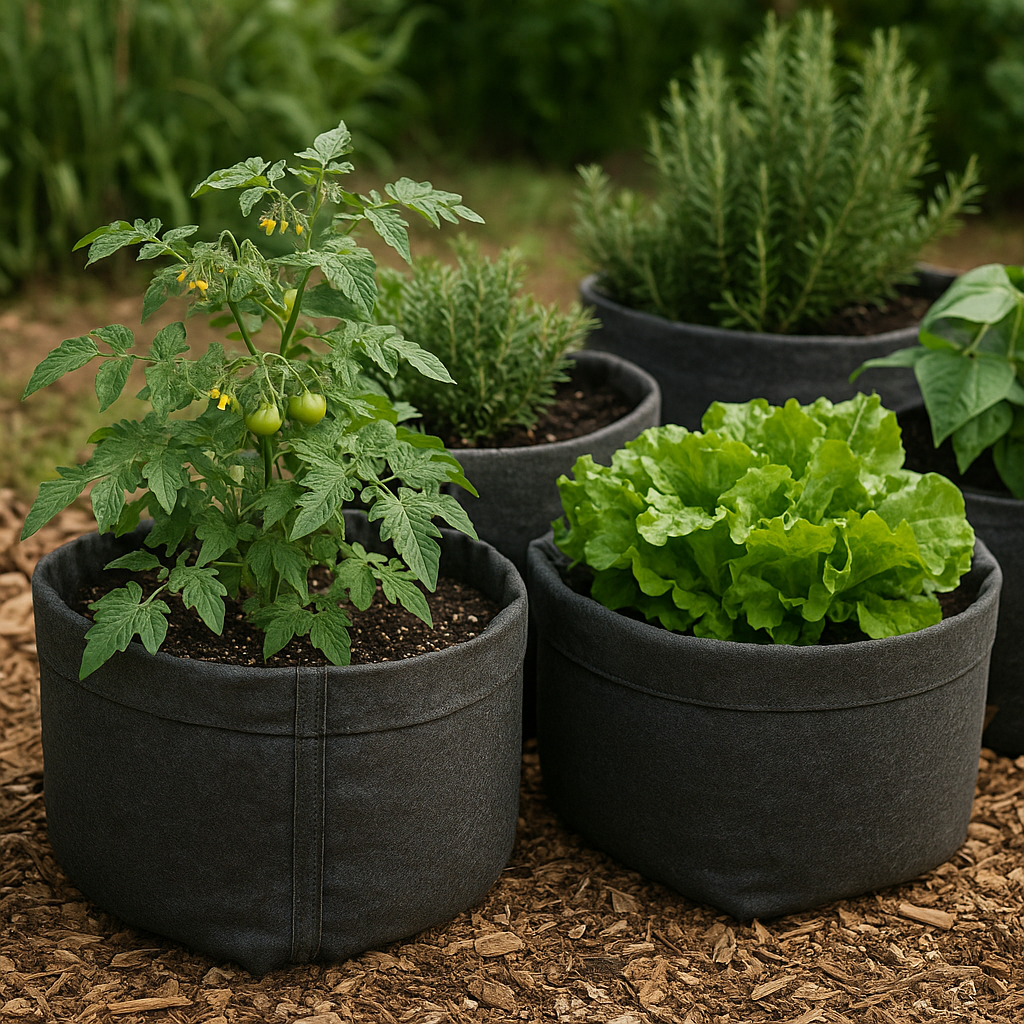
In an age when urban living spaces are becoming smaller and access to gardening space is limited, the appeal of fabric container gardening is on the rise. This innovative approach not only provides a practical solution for plant enthusiasts but also redefines traditional gardening methods with an eco-friendly twist. This article delves deep into fabric container gardening, exploring its advantages, how to get started, the best practices, and addressing common questions to guide you on your green journey.
What is Fabric Container Gardening?
Fabric container gardening involves utilizing biodegradable, breathable fabric pots made from textile materials to grow plants. Unlike conventional plastic pots, these fabric containers facilitate air pruning, drainage, and root health, thus enabling a more efficient growing environment. This sustainable gardening method is gaining traction due to its versatility and ease of use, making it especially appealing to urban gardeners with limited resources.
The Evolution of Gardening
The concept of container gardening has existed for centuries, but the introduction of fabric containers marks a significant evolution in the gardening space. Traditionally, gardeners used clay, ceramic, or plastic pots, which often restrict root growth and lead to waterlogging. Fabric containers, on the other hand, support healthier plant growth by allowing roots to breathe and preventing them from becoming pot-bound.
Why Choose Fabric Containers?
Numerous advantages make fabric container gardening an ideal option for both novice and experienced gardeners:
1. Excellent Drainage and Aeration
Fabric containers are designed to allow excess water to drain out efficiently while simultaneously promoting airflow to plant roots. This prevents waterlogging and the potential onset of root rot, a common issue with traditional pots.
2. Root Pruning
One of the unique benefits of fabric containers is the phenomenon known as “air pruning.” When roots reach the side of the fabric container, they are naturally pruned by the air, promoting denser and healthier root systems. This enhances nutrient absorption and fosters robust plant growth.
3. Portability
Fabric pots are lightweight and flexible, making them easy to move around. This is especially beneficial for urban gardeners who may want to reposition their containers based on sunlight exposure, climate changes, or aesthetic preferences.
4. Temperature Regulation
The breathable fabric allows for better temperature regulation of the soil, keeping roots cooler in the heat of summer and providing insulation during cooler months. This stability encourages a longer growing season and improves plant health overall.
5. Eco-Friendly
Most fabric containers are made from sustainable, biodegradable materials like recycled plastic or natural fibers. They can be reused for multiple growing seasons and eventually decompose when they reach the end of their life cycle, reducing environmental impact.
6. Versatility
From herbs and vegetables to ornamental plants, fabric containers can accommodate a wide variety of plant types. They can be placed on balconies, patios, rooftops, or even in small backyards, making them accessible for nearly any gardening enthusiast.
Getting Started with Fabric Container Gardening
Embarking on fabric container gardening is a straightforward process. Here’s a step-by-step guide to kickstart your gardening journey.
Step 1: Choose the Right Fabric Container
The first step is selecting the right fabric container. Consider the following factors:
- Material: Look for fabric pots made from breathable materials. Popular options include felt, organic cotton, or recycled plastic.
- Size: Smaller pots (1-3 gallons) are suitable for herbs or small flowers, while larger containers (5-20 gallons) are ideal for vegetables or larger plants.
- Style: Fabric pots come in various colors and designs. Choose one that complements your garden aesthetic while serving its practical purpose.
Step 2: Select Your Plants
Choosing the right plants for your fabric containers is crucial for success. Here are some recommendations:
- Herbs: Basil, mint, thyme, and parsley all thrive in fabric pots and can enhance your culinary creations.
- Vegetables: Options include cherry tomatoes, peppers, beans, and lettuce. These plants have relatively shallow roots and adapt well to container gardening.
- Flowers: Marigolds, petunias, and pansies not only beautify your space but can also attract beneficial pollinators.
Step 3: Prepare the Soil
The health of your plants resides in good soil. Use a high-quality potting mix designed for container gardening. Incorporate ingredients like compost, perlite, or coconut coir to enhance aeration and retention of nutrients.
Step 4: Planting
Fill your fabric containers with the prepared soil, leaving enough space at the top to avoid spillage during watering. Gently plant your chosen seeds or seedlings, ensuring they’re spaced adequately to allow for growth.
Step 5: Watering and Maintenance
Regular watering is essential for container gardening. Fabric containers typically require more frequent watering compared to traditional pots because they dry out faster. Monitor the moisture levels and water when the top inch of soil feels dry.
Step 6: Fertilization
While potting soil often contains nutrients, you’ll need to supplement them throughout the growing season. Use organic fertilizers or slow-release nutrients to keep your plants fed and healthy.
Step 7: Pest Management
Keep a keen eye on potential pests. Regularly inspect your plants for signs of infestation, and employ organic pest management solutions such as neem oil or insecticidal soap to mitigate issues without harming beneficial insects.
Common Questions about Fabric Container Gardening
Q1: Can I use plastic pots instead of fabric containers?
A1: While plastic pots can be used, they do not provide the same benefits as fabric containers, such as aeration and drainage. Choosing fabric allows for more optimal root health and overall plant growth.
Q2: How long do fabric containers last?
A2: The lifespan of fabric containers depends on their material and environmental conditions but typically ranges from 3 to 5 years with proper care. After this period, you can replace them with new containers or compost them if they’re made from biodegradable fabrics.
Q3: Are there any specific plants that thrive better in fabric containers?
A3: While many plants can thrive in fabric containers, those with shallow roots—such as herbs, salad greens, and dwarf varieties of vegetables—are exceptionally well-suited for this method.
Q4: What about exposure to the sun?
A4: Fabric containers can get warm in direct sunlight, which might affect soil temperature. To mitigate this, position your containers in a location that receives filtered sunlight or use mulch to keep soil temperatures regulated.
Q5: Are fabric containers suitable for winter gardening?
A5: Yes, fabric containers can be used for winter gardening, but you’ll need to take precautions against frost. Insulate with mulch or move the pots to a sheltered location.
Q6: Can I grow trees in fabric containers?
A6: Depending on the size of the fabric container, you can grow smaller trees, such as dwarf fruit trees. However, for larger trees, ensuring adequate space and stability is crucial to support their growth.
Q7: Do fabric containers require special care?
A7: Fabric containers are relatively low-maintenance, but regular checks for soil moisture, pests, and nutrients are essential. Cleaning the containers and replacing the soil and plants each season can prevent potential diseases.
Ideas for Maximizing Your Fabric Container Garden
Now that you’ve learned the basics of fabric container gardening, here are some creative ideas for maximizing your green space:
1. Vertical Gardening
Due to their lightweight nature, fabric containers can be easily stacked or hung, transforming vertical space into a lush garden. This method is particularly useful for growing herbs, flowers, or even strawberries.
2. Themed Gardens
Consider creating themed gardens using your fabric containers. You could establish a “pizza garden” with tomatoes, basil, and oregano or a “tea garden” with chamomile, mint, and lemon balm.
3. Companion Planting
Explore the benefits of companion planting by growing compatible plants close together for improved health and flavors. Pairing plants like tomatoes and basil can deter pests and enhance growth.
4. Seasonal Rotation
Experiment with seasonal rotations by changing the plants in your fabric containers as the seasons change. This practice keeps your garden energetic and vibrant while you make the most of your growing space.
5. Educational Opportunities
Get family members, especially children, involved in gardening. Not only can it provide education on growing plants, but it can also teach responsibility and appreciation for nature.
6. Seasonal Décor
Use fabric containers to add seasonal décor to your space. Fill them with colorful flowers in spring, festive plants during the holiday season, or edible plants for summer cookouts.
Conclusion: The Future of Gardening Is Here
Fabric container gardening is revolutionizing how we perceive plant growth and gardening. With its myriad advantages—ranging from improved drainage and aeration to sustainability—it is an ideal gardening solution for everyone, regardless of their living situation.
Whether you’re a seasoned gardener or a curious beginner, fabric container gardening opens the door to a world of possibilities. From herbs on a balcony to vegetable gardens on rooftops, this method encourages creativity and connectivity with nature.
As the popularity of this innovative approach grows, so too does our relationship with plants and the environment. Embrace the potential of fabric container gardening and let your urban garden flourish, no matter the size of your space. Happy gardening!