
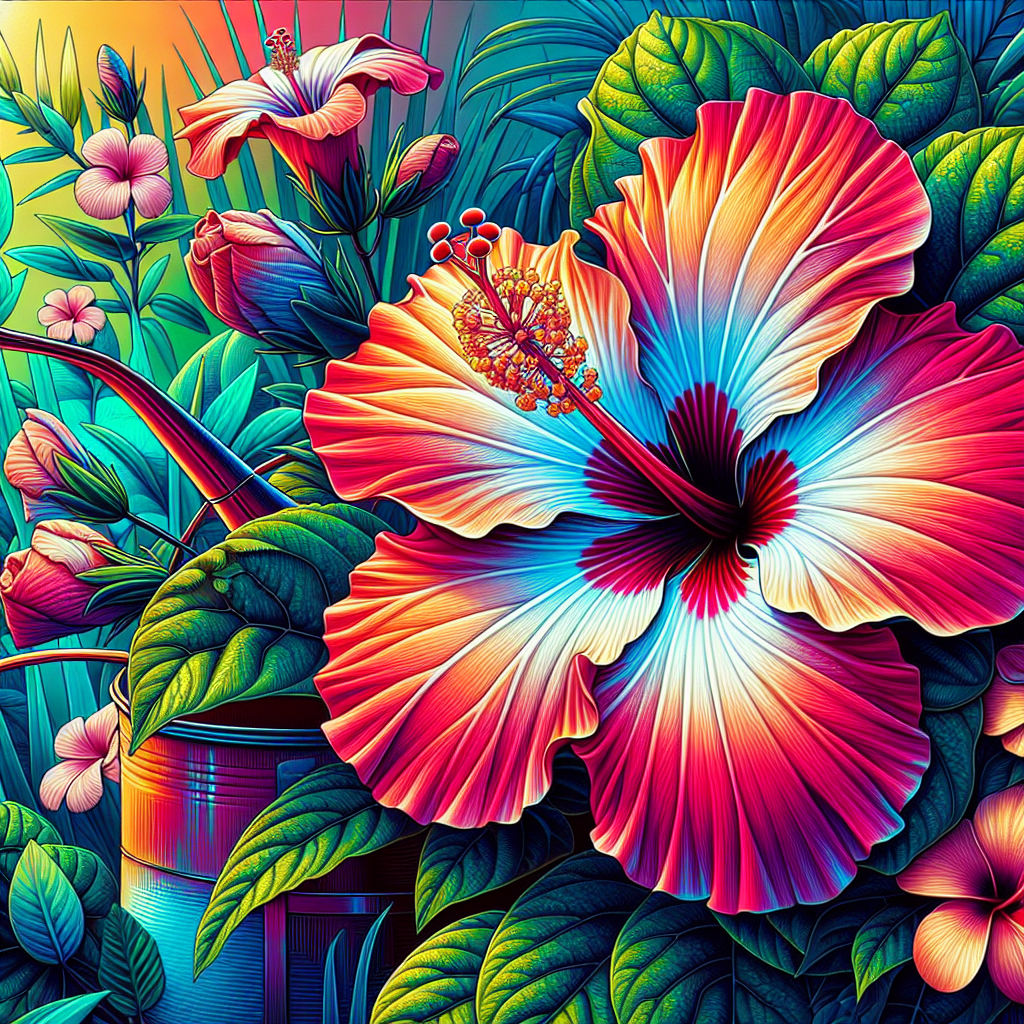
The Hawaiian hibiscus is often regarded as a symbol of the islands’ lush landscapes and vibrant cultures, but there’s much more than meets the eye. This remarkable flower, belonging to the family Malvaceae and primarily the genus Hibiscus, is a spectacle of color and form. Beyond its aesthetic allure, it holds a wealth of cultural, ecological, and medicinal significance. In this comprehensive exploration of Hawaiian hibiscus, we’ll answer questions that you might have about this magnificent plant, delve into its various species, and even uncover how you can cultivate your own exotic blooms.
What is Hawaiian Hibiscus?
At its core, Hawaiian hibiscus refers to a number of species within the Hibiscus genus that thrive in Hawaii. The most renowned of these is the Hibiscus rosa-sinensis, commonly known as the Chinese hibiscus. However, Hawaii is home to many native species, such as Hibiscus brackenridgei, Hibiscus waimeae, and Hibiscus kokio. Each species contributes its unique colors, forms, and cultural implications to the rich tapestry of Hawaiian flora.
Characteristics of Hawaiian Hibiscus
Hawaiian hibiscus flowers are most notable for their striking appearances, often boasting large, trumpet-like blooms that can measure up to 12 inches in diameter. They come in various colors, including red, pink, yellow, and white, with many flowers displaying a gradient or multi-colored effect. The petals are usually silky and slightly crinkled, giving them a delicate yet exuberant look.
Growth Habits
Typically, hibiscus plants are deciduous shrubs or small trees that can grow anywhere from 4 to 15 feet in height. They thrive in full sunlight and well-drained soil, making them ideal for tropical and subtropical climates. In addition, they are relatively low-maintenance, preferring regular watering but being quite tolerant of drought conditions once established.
Why is Hawaiian Hibiscus Important?
Beyond their beauty, Hawaiian hibiscus flowers play a crucial role in the local ecosystem and culture.
Cultural Significance
Hawaiian hibiscus holds substantial cultural importance in Hawaii. The flower is commonly worn in leis and as hair adornments, often signifying the wearer’s marital status. For instance, a flower worn over the right ear indicates that the person is single and available, whereas wearing it over the left ear signifies that they are taken.
Traditional Uses
Historically, Hawaiian hibiscus has also been utilized in various traditional practices. Ancient Hawaiians used the plant’s parts for making cordage, dyeing fabrics, and even for medicinal remedies. The leaves were often used to dress wounds due to their purported anti-inflammatory properties.
Ecological Role
From an ecological standpoint, Hawaiian hibiscus flowers are vital as they attract a myriad of pollinators, especially native Hawaiian honeycreepers, butterflies, and bees. These pollinators play an essential role in maintaining the health of Hawaii’s unique ecosystems by aiding in the reproduction of various flora.
Frequently Asked Questions about Hawaiian Hibiscus
1. What are the Different Species of Hawaiian Hibiscus?
Native Species:
-
Hibiscus brackenridgei: Known as the Hawaiian hibiscus or ma’o hau hele, this native species often has bright yellow flowers with red centers. It typically grows in a shrub form and can be found in higher elevation areas.
-
Hibiscus kokio: This species is usually characterized by its bright red flowers and is commonly found in dry shrublands. It has various subspecies adapted to different environments across the islands.
-
Hibiscus waimeae: Known for its pink flowers, this species is relatively rare and typically grows in dry coastal areas.
Non-Native Species:
- Hibiscus rosa-sinensis: This is a widely cultivated ornamental plant and is not native to Hawaii. However, it has become a significant staple in Hawaiian gardens.
2. How Can You Cultivate Hawaiian Hibiscus?
Cultivating Hawaiian hibiscus can be a rewarding experience, whether in your garden or indoors.
Choosing the Right Location
- Sunlight: Hibiscus thrives in full sun, ideally receiving at least 6 hours of direct sunlight each day.
- Soil: Well-drained soil is crucial. A mix of loamy soil and organic compost can provide the necessary nutrients.
Planting Steps
- Select a Healthy Plant: Choose a young hibiscus plant that shows no signs of disease or pest infestation.
- Prepare the Soil: Amend your soil with organic matter to improve drainage.
- Spacing: Plant your hibiscus at least 3–4 feet apart to allow ample space for growth.
- Watering: Water thoroughly after planting, and maintain regular watering, especially during dry spells.
Maintenance
- Fertilizing: Use a balanced fertilizer designed for flowering plants every 4-6 weeks during the growing season.
- Pruning: Trim back dead or overgrown branches to encourage bushier growth.
- Pest Control: Keep an eye out for common pests like aphids and spider mites, and treat them with organic insecticidal soap if necessary.
3. What Are the Health Benefits of Hawaiian Hibiscus?
Hibiscus tea, made from the dried flowers of Hibiscus sabdariffa, is well-known for its numerous health benefits.
- Rich in Antioxidants: The flowers are packed with antioxidants, which combat free radicals and promote overall health.
- Blood Pressure: Studies suggest that hibiscus tea can help lower blood pressure levels when consumed regularly.
- Digestive Health: The tea is also thought to possess digestive benefits, contributing to improved gut health.
4. Are Hawaiian Hibiscus Flowers Edible?
Yes, hibiscus flowers are edible and can be used in a variety of culinary applications! They can be infused into teas, incorporated into salads, or even used to make syrups and jams. Additionally, the leaves can be used as greens in salads or cooked dishes.
Caution: While hibiscus flowers are generally safe to consume, it is essential to ensure that any flowers you plan to eat have not been treated with pesticides or other chemicals.
The Role of Hawaiian Hibiscus in Sustainable Gardening
As conversations around sustainability and biodiversity become increasingly vital, Hawaiian hibiscus serves as an excellent candidate for sustainable gardening practices.
Enhancing Biodiversity
Incorporating native Hawaiian hibiscus species into your garden can help foster local biodiversity. These plants not only attract pollinators but also provide essential habitat for various local wildlife.
Low Water Use
Once established, hibiscus species are quite drought-tolerant, making them an excellent choice for regions grappling with water shortages. They can help maintain a vibrant garden while conserving precious water resources.
Native Plant Advocacy
Emphasizing the growth of native hibiscus species helps combat invasive alien species that threaten Hawaii’s unique ecosystems. It’s a simple yet impactful way to contribute to preserving Hawaii’s natural heritage.
Conclusion: The Multifaceted Appeal of Hawaiian Hibiscus
Hawaiian hibiscus is more than just a pretty flower; it’s an essential part of Hawaii’s ecology, culture, and even health. Its vibrant colors and stunning forms exemplify the rich beauty of the islands, while its ecological roles help satisfy the needs of local wildlife and support biodiversity.
Whether you’re growing it in your garden, wearing it in a traditional lei, or sipping hibiscus tea, this remarkable flower offers a plethora of benefits and joys. Understanding its cultural significance, ecological importance, and health benefits allows us to appreciate Hawaiian hibiscus on a deeper level.
Take the plunge—consider adding some Hawaiian hibiscus to your life, whether through gardening, culinary exploration, or simply enjoying its beauty in nature. You’ll find yourself under the spell of this enchanting flower, a true treasure of the tropics.