
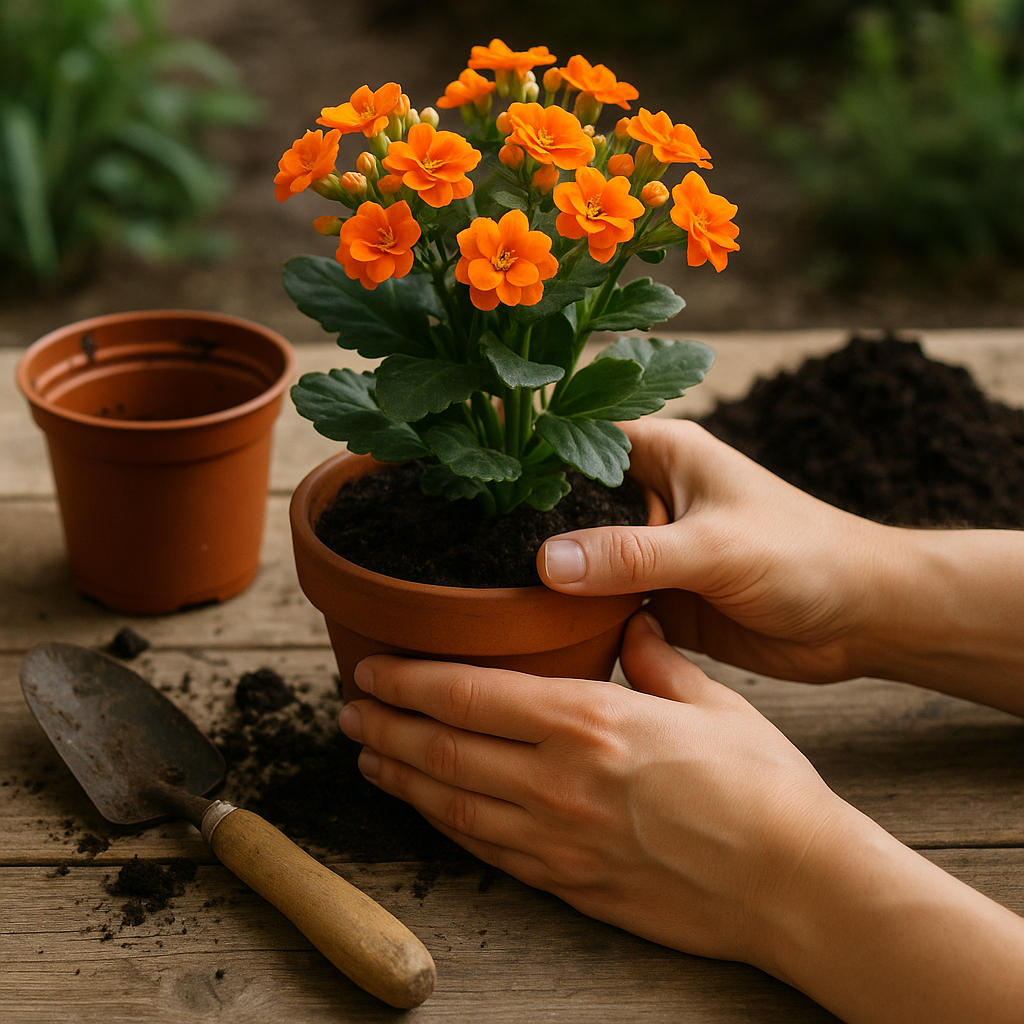
Flowers have an innate ability to bring joy and beauty into our lives. Whether placed within our homes or in our gardens, they can uplift moods, create stunning visuals, and even evoke memories. Making a pot of flowers is not just about planting; it’s an art form that encompasses creativity, knowledge, and a bit of patience. In this article, we’ll explore the process of creating a pot of flowers in depth, answering all the questions you might have along the way.
Table of Contents
- Why Pot Flowers?
- Choosing the Right Flowers
- Gathering Your Materials
- Potting Basics: Choosing the Right Pot and Soil
- Planting Your Flowers
- Caring for Your Potted Flowers
- Troubleshooting Common Problems
- Tips for Long-lasting Blooms
- Design Ideas for Your Flower Pots
- Final Thoughts
1. Why Pot Flowers?
Creating a pot of flowers is not just a gardening activity; it is a mindfulness practice that allows you to connect with nature. Whether you want to enhance your living space, create a gift for a loved one, or explore gardening as a hobby, potting flowers allows for artistic expression and a sense of accomplishment.
Benefits of Potting Flowers
- Aesthetic Appeal: Potted flowers can enhance any space, adding color and vibrancy.
- Accessibility: Potting makes gardening available to those with limited outdoor space.
- Therapeutic Relief: Engaging with nature can reduce stress and promote well-being.
- Biodiversity: Attracts pollinators like bees and butterflies to your space.
2. Choosing the Right Flowers
One of the most exciting steps in potting flowers is choosing the right blooms. But with so many options available, how do you decide?
Consider the Following Factors:
- Climate: What hardiness zone do you live in? Some flowers thrive in certain climates while others may wilt.
- Sunlight: Does your chosen location receive full sun, partial shade, or full shade? Sun-loving plants like petunias differ significantly in their requirements from shade-tolerant varieties like impatiens.
- Style: Do you prefer vibrant colors or subtle hues? Consider complementary color schemes when selecting your blooms.
- Growth Habit: Will you choose upright flowers like snapdragons, trailing varieties like nasturtiums, or an assortment?
Suggested Flowers for Beginners:
- Petunias: Versatile and come in many colors.
- Marigolds: Bright and easy to care for.
- Geraniums: Hardy and vibrant, perfect for pots.
- Basil: Adds aroma and can be used in cooking.
3. Gathering Your Materials
Before getting flowers into the pot, you’ll need to gather some essential materials. Here’s a comprehensive list:
Essential Tools and Materials:
- Flower Pots: Consider the size and style. Clay pots are traditional but plastic is lightweight.
- Potting Soil: A good-quality, well-draining potting mix formulated for container gardening is crucial.
- Fertilizer: Choose a balanced, slow-release fertilizer to nourish your plants.
- Watering Can: A must-have for both planting and maintenance.
- Hand Trowel: Ideal for digging and transplanting.
- Gardening Gloves: Protect your hands during planting.
4. Potting Basics: Choosing the Right Pot and Soil
Choosing the right pot is essential for the health of your flowers. Here are a few tips:
Selecting Your Pot:
- Size: Ensure your pot size is appropriate for the growth of the plants. A good rule of thumb is that every flower needs a minimum volume of soil to thrive.
- Drainage: Make sure your pot has drainage holes to prevent overwatering.
- Material: Different materials offer different benefits. Terracotta pots absorb moisture, while plastic retains it.
Selecting Your Soil:
The right soil is fundamental for the growth and health of your flowers. Here’s what to look for:
- Good Aeration: A quality potting mix will contain materials like perlite or vermiculite for aeration.
- Nutrients: Ensure your soil has a good nutrient profile to support plant growth.
- Moisture Retention: While drainage is essential, so is the ability of the soil to retain moisture without becoming soggy.
5. Planting Your Flowers
Now that you have all your materials, it’s time to plant your flowers. Follow these steps for a successful planting experience:
Steps For Planting:
- Prepare the Pot: Place a layer of small stones or broken pottery at the bottom of your pot to ensure drainage.
- Add Potting Soil: Fill your pot about two-thirds full with your potting mix. Leave enough room for the roots of your plants.
- Transplanting: Carefully remove the flowers from their nursery pots and gently separate tangled roots if necessary.
- Plant Your Flowers: Dig small holes in the soil and place each flower, ensuring the root ball is level with the top of the soil.
- Fill with Soil: Cover the roots with soil and gently press down to eliminate air pockets.
- Water Thoroughly: After planting, give your flowers generous water to help settle the soil.
6. Caring for Your Potted Flowers
Your flowers will require ongoing care to flourish. Below are some essential care tips:
Watering:
- Frequency: Water your flowers when the top inch of soil feels dry. During hot days, you may need to water daily.
- Technique: Water at the base of the plant to avoid wetting the leaves too much, reducing potential fungal issues.
Fertilizing:
- Schedule: Apply a slow-release fertilizer once a month or as directed on the product label.
- Technique: Always water the soil first before adding fertilizer to prevent root burn.
Pruning:
- Deadheading: Regularly remove spent blooms to encourage more flowers and maintain plant appearance.
- Trimming: Lightly prune long or leggy stems to maintain shape.
7. Troubleshooting Common Problems
Like any gardening venture, potting flowers comes with its challenges. Here are some common problems and how to address them:
Pest Issues:
- Identifying Pests: Regularly check for signs of pests like aphids or spider mites.
- Treatment: Use insecticidal soap or neem oil as a natural remedy.
Disease Problems:
- Signs of Disease: Yellowing leaves, wilting, or spotting may indicate disease.
- Prevention: Ensure proper spacing for airflow, avoid overhead watering, and use sterile soil.
Overwatering or Underwatering:
- Signs of Overwatering: Yellow leaves, mushy stems, or root rot.
- Signs of Underwatering: Wilting or crispy, dry leaves.
- Solution: Adjust your watering schedule accordingly.
8. Tips for Long-lasting Blooms
To ensure your potted flowers continue to thrive and bloom beautifully, consider the following tips:
- Rotate Pots: Move pots occasionally to ensure even sun exposure.
- Companion Planting: Pair flowers that thrive together to create a synergistic effect.
- Choose Perennials: If you wish for blooms that return year after year, consider incorporating perennials into your pots.
9. Design Ideas for Your Flower Pots
Creating visually stunning arrangements can elevate your potted flowers even further. Here are some design ideas:
1. Color Schemes
- Monochromatic: Choose flowers in different shades of the same color for a sophisticated look.
- Complementary Colors: Pair colors that sit opposite on the color wheel—for example, purple and yellow.
2. Texture Variation
- Combine Different Flower Types: Mixing the textures of smooth petals with spiky or ruffled blooms creates interest.
3. Height Variation
- Thriller, Filler, Spiller Technique: Use taller plants in the center (thriller), fill in with medium-height flowers (filler), and let trailing plants hang over the edges (spiller).
4. Seasonal Themes
- Seasonal Arrangements: Change flowers with the seasons, mixing spring pansies, summer petunias, autumn mums, and winterevergreen arrangements.
10. Final Thoughts
Creating a pot of flowers is a fulfilling and enriching experience that combines art and nature. Whether you’re planting for personal enjoyment, gifting, or enhancing a space, there is immense satisfaction in nurturing blooming life. With the right flowers, materials, and care, you can cultivate a stunning display that not only beautifies your surroundings but also brings you joy.
Remember that every flower carries a story, and with each bloom, you’re creating a narrative of growth, beauty, and tranquility. So gather your materials, pick your flowers wisely, and dive into the fulfilling world of potting flowers. In doing so, you’ll not only cultivate beautiful plants but also foster a deeper appreciation for the simple wonders of nature. Happy potting!