
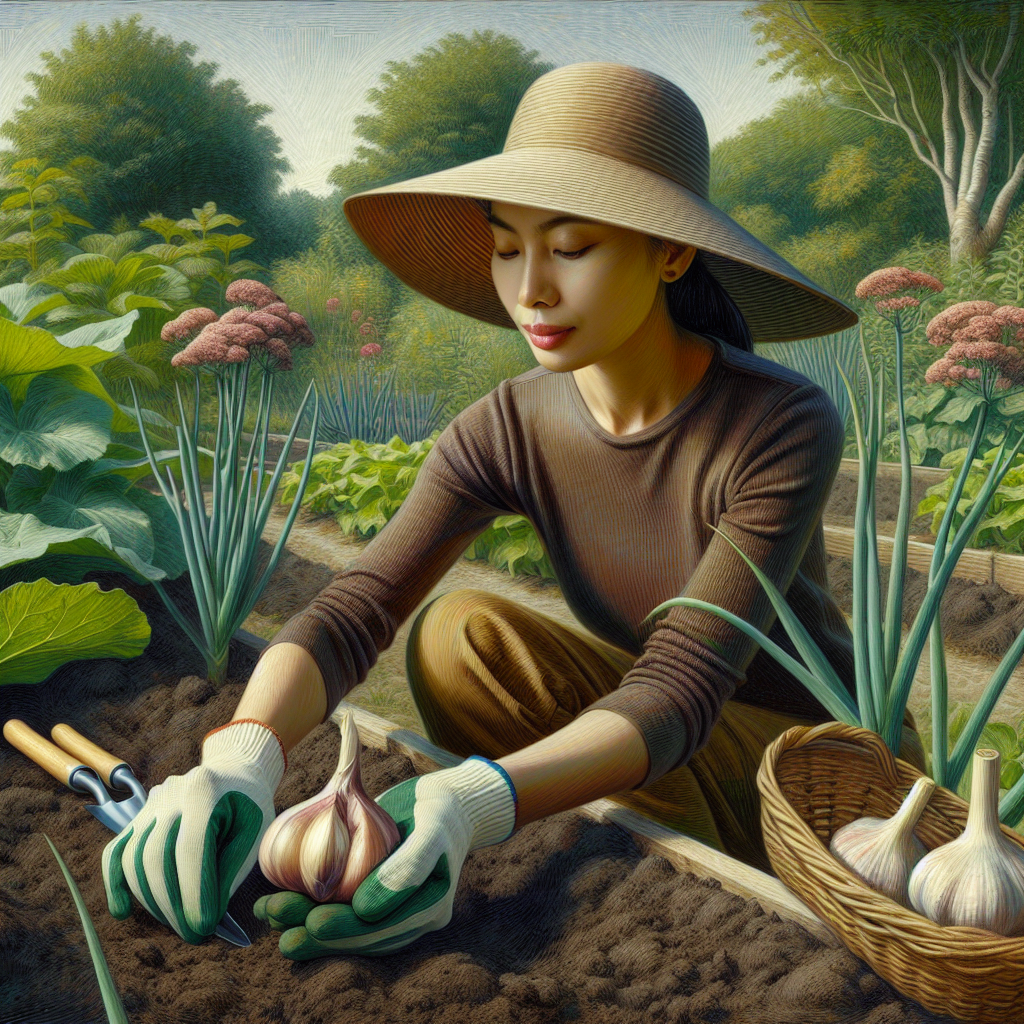
Garlic (Allium sativum) is not just a staple in kitchens worldwide; it also makes a fantastic addition to home gardens. Known for its robust flavor and numerous health benefits, this bulbous plant is a popular choice for both novice and experienced gardeners. However, amidst the excitement of planting garlic, one question often arises: Should you peel garlic before planting? In this article, we will explore the intricacies of garlic cultivation, answer common questions related to peeling, and provide you with a comprehensive guide to successfully growing garlic in your garden.
Understanding Garlic Planting
The Basics of Garlic
Before delving into the question of peeling, it’s crucial to understand the biology and lifecycle of garlic. Garlic is a bulbous plant that grows as a perennial but is often cultivated as an annual. The plant thrives in a variety of climates, but it requires specific conditions for optimal growth. Garlic can be categorized mainly into two types: hardneck and softneck. Hardneck varieties generally produce larger bulbs and are better suited for colder climates, while softneck varieties are more tolerant of warmer temperatures and are often used for creating braided garlic.
Why Grow Garlic?
Growing garlic can be rewarding for several reasons.
-
Flavor Enhancement: Freshly grown garlic is far superior in taste compared to store-bought varieties.
-
Health Benefits: Garlic is known for its numerous health benefits, including anti-inflammatory properties and immune system support.
-
Sustainability: By growing your own garlic, you reduce your carbon footprint and contribute to sustainable practices.
-
Cost-Effectiveness: Garlic is relatively inexpensive to grow, and you can produce a large yield from a small space.
-
Culinary Versatility: Garlic can be used in an array of dishes, making it a highly versatile ingredient.
With so many benefits, it’s no wonder that many people want to grow garlic in their home gardens!
Should You Peel Garlic Before Planting?
The Initial Inquiry
Let’s address the question directly: Should you peel garlic before planting? The simple answer is no, you should not peel garlic before planting. However, let’s break this down further by examining several key aspects of the growing process that illustrate why leaving the skin on is beneficial.
The Protective Nature of the Skin
The outer skin of garlic bulbs serves as a crucial protective barrier that safeguards the inner cloves during planting. Here are a few points to consider:
-
Disease Prevention: The papery layers of the garlic cloves can act as a protective shield against potential soil-borne pests and diseases. When peeled, cloves become more susceptible to rot and infection, significantly reducing the chances of healthy growth.
-
Moisture Retention: The skin helps to maintain moisture levels around the clove, which is essential for germination and root development. Cloves that are exposed can dry out quickly, leading to poor growth or failure to sprout altogether.
-
Nutrient Protection: The nutrients stored within the clove are better preserved when the skin is intact, providing the clove with the resources it needs to sprout and grow effectively.
When to Separate Cloves
While you shouldn’t peel cloves before planting, you do need to separate them. Here’s how to do it:
-
Choose Healthy Bulbs: Start by selecting high-quality, disease-free garlic bulbs. Organic garlic from a reputable source is often the best option.
-
Break Apart the Bulbs: Gently break apart the cloves while keeping their skins intact. Handle them with care to avoid bruising. If any of the outer layers come off, it’s advisable not to plant those cloves, as they may not thrive.
Timing Your Planting
After separating the cloves, it’s essential to consider timing. Garlic can be planted in different seasons depending on the variety and your local climate:
-
Fall Planting: If you live in a region with cold winters, fall planting (around 4-6 weeks before the ground freezes) is the optimal choice. This method helps in developing larger bulbs by allowing the garlic to establish roots during the winter.
-
Spring Planting: In milder climates, spring planting is also feasible. However, be mindful that garlic may not reach its full potential in terms of size and flavor if not given enough growing time.
Soil Preparation
Prior to planting, the condition of the soil is paramount. Garlic prefers well-draining soil enriched with organic materials. Here are the steps to prepare your soil:
-
Soil Test: Conduct a soil test to determine the pH and nutrient levels. Garlic thrives in slightly acidic to neutral soil (pH 6.0-7.0).
-
Amendments: If necessary, amend your soil with compost, well-rotted manure, or organic fertilizer to promote nutrient availability.
-
Tilling: Loosen the soil by tilling it to a depth of about 12 inches. This process aerates the soil and encourages root growth.
Planting Cloves
Now that your soil is prepared, it’s time to plant! Follow these steps for the best results:
-
Spacing and Depth: Plant cloves upright, about 2 inches deep and 6-8 inches apart to allow sufficient room for growth.
-
Mulching: After planting, add a layer of mulch to help retain moisture, suppress weeds, and maintain consistent soil temperatures.
-
Watering: Garlic requires regular watering, especially during dry spells. Aim for about 1 inch of water per week.
Frequently Asked Questions About Garlic Planting
Can I plant store-bought garlic?
Yes, you can plant store-bought garlic, but it’s recommended to use organic varieties whenever possible. Store-bought garlic may be treated with chemicals that inhibit sprouting. Additionally, these garlic bulbs may not be adapted to your local climate, which can affect growth.
How do I know when garlic is ready to harvest?
Typically, garlic is ready for harvest when the lower leaves turn brown and begin to die back while the upper leaves are still green. This usually occurs in mid to late summer, about 3-4 months after planting. Dig carefully to avoid damaging the bulbs and check for maturity by inspecting the size.
What should I do if my garlic plants are not growing well?
There are several reasons why garlic may struggle to grow. Here are some common issues you might encounter:
- Poor Soil: Ensure that your soil is nutrient-rich and well-draining.
- Inadequate Watering: Make sure your garlic receives consistent moisture, especially during the growing season.
- Pests and Diseases: Inspect your plants for signs of diseases such as white rot or pests like onion flies. If detected, take appropriate measures to manage these issues.
Should I fertilize my garlic?
Fertilization can benefit garlic growth, especially in nutrient-deficient soils. A balanced fertilizer or organic options like compost can be applied at planting time. A second application in early spring can also help boost growth.
Do I need to water garlic during dormancy?
Garlic does not require much water during dormancy (winter). However, if you experience a prolonged dry spell in late winter or early spring, a light watering may be beneficial.
Benefits of Growing Garlic
Nutritional Value
Garlic is known for its impressive array of health benefits. Rich in vitamins C and B6, manganese, and antioxidants, garlic can help lower blood pressure, improve cholesterol levels, and support overall cardiovascular health. It also has antimicrobial properties that can enhance immune function.
Pest Deterrent
Interestingly, garlic also serves as a natural pest deterrent in the garden. Its strong aroma can inhibit pests like aphids and spider mites while attracting beneficial insects like ladybugs and lacewings that prey on harmful pests.
Companion Planting
Garlic is an excellent companion plant for various crops. Its strong scent can help mask the smell of other plants, warding off pests. For example, planting garlic alongside tomatoes can help deter spider mites and whiteflies.
Cultural Significance
Garlic has been used in various cultures for centuries, often carrying symbolic meanings related to protection and health. It plays a significant role in folklore, traditional medicine, and culinary practices worldwide.
Final Words: Embrace the Journey of Growing Garlic
Growing garlic is a fulfilling experience that encompasses a variety of agricultural skills, flavors, and health benefits. As you embark on this journey, remember: Leave the skins on! The protective outer layers are critical for successful germination and growth. With careful planning, attention to detail, and a bit of patience, you can cultivate a bountiful garlic harvest that will not only enhance your cooking but also promote health and wellbeing.
Join the Garlic Revolution
As more people seek to grow their food and connect with their roots, garlic planting represents a small but significant step towards sustainability and self-reliance. By understanding the nuances of garlic cultivation and adhering to best practices—such as not peeling garlic before planting—you’ll contribute to a healthier planet while satisfying your culinary cravings.
So grab your bulbs, prepare your garden, and prepare for a rewarding journey into the world of garlic cultivation. Your taste buds will thank you!