
Introduction: The Importance of Soil pH in Gardening
Soil pH is a fundamental aspect of gardening that often receives less attention than it deserves. It plays a critical role in plant health, nutrient availability, and overall soil ecosystem vitality. Beginners and seasoned gardeners alike often grapple with questions regarding whether their garden soil should be more acidic or alkaline. This in-depth article seeks to answer those questions—exploring the nature of soil pH, its impact on plant growth, and how gardeners can successfully manage it to create thriving gardens.
What Does Soil pH Mean?
Soil pH measures the concentration of hydrogen ions in the soil, reflecting its acidity or alkalinity on a scale of 0 to 14. A pH of 7 is considered neutral. Values below 7 indicate acidity, while values above 7 denote alkalinity. For instance:
- Acidic soil: pH less than 7 (e.g., 5.5 is mildly acidic)
- Neutral soil: pH of 7
- Alkaline soil: pH greater than 7 (e.g., 8.5 is mildly alkaline)
Soil pH can drastically influence various factors, including mineral solubility, soil biology, and the overall availability of nutrients essential for plant life.
Why is Soil pH Important for Gardeners?
1. Nutrient Availability
Different nutrients are available to plants at varying pH levels. Most nutrients are optimally available in a slightly acidic to neutral range (typically pH 6 to 7). For example:
- Nitrogen, phosphorus, and potassium (the primary macronutrients) are readily available in this range.
- Iron, manganese, and phosphorus become less available in alkaline soils, leading to deficiencies in your plants.
2. Microbial Activity
Soil organisms play a crucial role in nutrient cycling, decomposition, and promoting healthy plant growth. These organisms thrive best within a pH range of 6 to 7. Acidic or alkaline conditions can hinder their activities, leading to imbalances in nutrient cycling and soil health.
3. Plant Health and Growth
Certain plants prefer specific pH levels. For instance, blueberries and azaleas thrive in acidic conditions (pH 4.5 to 5.5), while asparagus and many herbs prefer alkaline soil (pH 7.0 to 8.0). Understanding your plants’ preferences helps in optimizing their growth potential.
What Plants Prefer Acidic, Neutral, or Alkaline Soil?
Understanding the pH preferences of plants is crucial for informed gardening. Here’s a breakdown of plants that thrive under varying soil conditions:
Acidic Soil (pH < 7)
- Blueberries (Vaccinium spp.): Require a pH of 4.5 to 5.5.
- Cranberries (Vaccinium macrocarpon): Prefer a pH range of 4.5 to 5.5.
- Azaleas (Rhododendron spp.): Thrive in soil with a pH between 5.0 and 6.0.
- Ferns: Generally enjoy acidic conditions, making them suitable for forest garden settings.
Neutral Soil (pH 6.0 to 7.0)
- Tomatoes (Solanum lycopersicum): Prefer a neutral pH of around 6.0 to 6.8.
- Carrots (Daucus carota): Thrive in a pH range from 6.0 to 6.8.
- Cabbage (Brassica oleracea): Grows best in slightly acidic to neutral pH levels, ideally around 6.0 to 7.0.
- Most herbs: Such as basil, chives, and mint, prefer neutral pH conditions.
Alkaline Soil (pH > 7)
- Asparagus (Asparagus officinalis): Thrives in alkaline conditions with a pH of 7.0 to 8.0.
- Lavender (Lavandula spp.): Prefers a slightly alkaline pH, often between 6.5 and 7.5.
- Cabbage family plants (Brassicas): Often tolerate slightly alkaline conditions.
- Certain grasses: Such as fescue and ryegrass, can also tolerate higher pH levels.
How Can I Determine the pH of My Soil?
Testing soil pH is a straightforward process. Here are some methods to do so:
1. DIY Soil Test Kits
These kits are available at garden centers or online and allow gardeners to test soil pH at home. They generally come with:
- Powder for soil sample
- Test strips or a color chart
Follow the instructions carefully to ensure accurate results.
2. Laboratory Testing
For a more thorough analysis, you can send a soil sample to a lab for testing. This can provide not only your pH level but also detailed information about nutrient levels and organic matter content. Most universities with agricultural programs offer soil testing services, often for a nominal fee.
3. pH Meters
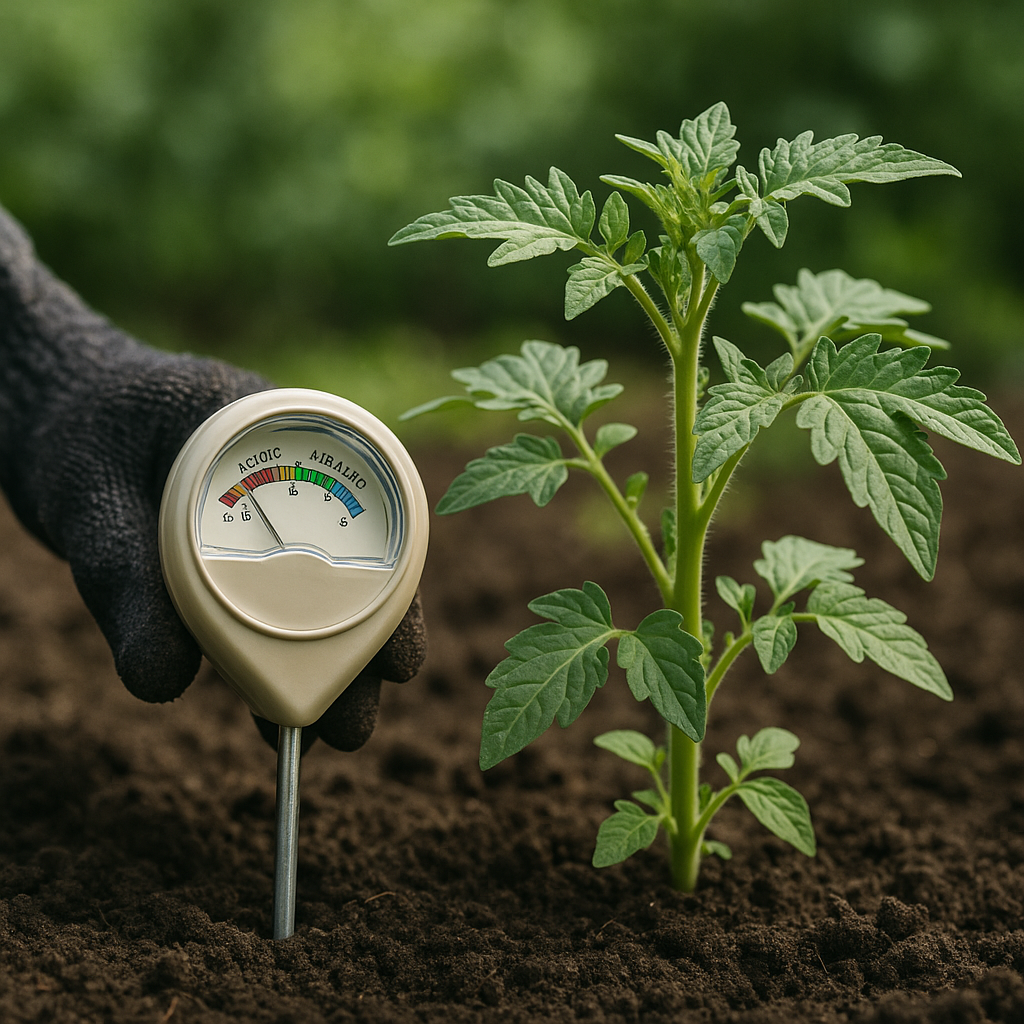
Electronic pH meters provide a quick and easy way to determine soil pH. Simply insert the metal probe into the damp soil, and the meter will give you a pH reading instantly.
What Should I Do If My Soil is Too Acidic or Alkaline?
Managing soil pH levels is vital to create an environment where plants thrive. Here are ways to correct pH imbalances in both acidic and alkaline soils.
For Acidic Soils (pH < 6)
If your soil is too acidic, here are steps to raise the pH:
-
Lime Application: The most common way to increase soil pH is by applying agricultural lime (calcium carbonate) or dolomitic lime (which also adds magnesium). Follow the recommended application rates based on your current pH level.
-
Wood Ash: Ash from hardwoods can also raise pH and provide potassium. A thin layer spread across the soil can be beneficial.
-
Organic Matter: Adding compost can help buffer soil pH over time and improve overall soil structure.
For Alkaline Soils (pH > 7)
If your soil is too alkaline, consider these options to lower the pH:
-
Sulfur Application: Elemental sulfur is commonly used to lower soil pH. Soil bacteria convert it into sulfuric acid, thereby acidifying the soil.
-
Organic Matter: Incorporating organic material such as composted leaves, peat moss, or pine needles helps lower pH and improves overall soil health.
-
Iron Sulfate or Aluminum Sulfate: Both can be effective at quickly lowering soil pH but should be used with caution, as they can introduce metals into the soil.
Can Soil pH Change Over Time?
Yes, soil pH can change naturally over time due to:
-
Precipitation: Rain can affect soil pH by leaching away alkaline elements (like calcium) or introducing organic acids.
-
Plant Growth: Certain plants can alter soil pH through their root exudates. For example, legumes can lower pH in their vicinity due to the organic acids they produce.
-
Soil Amendments: Regular applications of fertilizers and amendments can adjust soil pH, either raising or lowering it, depending on their composition.
How Can I Maintain Optimal Soil pH?
To keep your soil pH at an optimal level, consider these best practices:
-
Regular Testing: Perform soil tests at least once a year, especially prior to planting. This ensures you are aware of any needed amendments.
-
Organic Amendments: Continuously add organic matter through compost, cover crops, or mulches. This will help maintain a balanced soil ecosystem, naturally buffering pH.
-
Crop Rotation: Rotate plants with different nutrient needs and soil pH preferences. This not only promotes soil health but can also prevent soil pH fluctuations.
-
Avoid Over-Fertilization: Apply fertilizers based on soil test results to avoid excess nutrient buildup, which can exacerbate pH imbalances.
Final Thoughts: The Key to Successful Gardening
Understanding whether your garden soil should be acidic or alkaline can significantly impact your gardening success. Plants have varying pH preferences and nutrient requirements, making it essential to educate yourself about your specific soil conditions. It’s not enough to just plop some seeds into the ground; successful gardening requires ongoing monitoring and adjustments to ensure that soil pH levels remain optimal for plant health.
By testing your soil regularly and making the appropriate amendments based on your plants’ needs, you can create a thriving garden that not only flourishes but is also resilient against pests and diseases. Remember that healthy soil yields healthy plants, and mindful management of soil pH is one of the building blocks of an abundant garden. Whether you’re growing vegetables, flowers, or shrubs, a solid understanding of your soil’s pH can help you achieve the lush, vibrant landscape you desire. Happy gardening!