
Gardening is a delightful pursuit filled with joy, creativity, and a considerable degree of self-sustainability. For many, the seasonal constraints imposed by climate can curtail these joys. However, a cold frame can transform your gardening experience, allowing for a more extended growing season and increased variety. In this comprehensive guide, we will delve into the world of plant cold frame gardening, answering common questions, providing insights, and setting you up for success in this rewarding and engaging endeavor.
What is a Cold Frame?
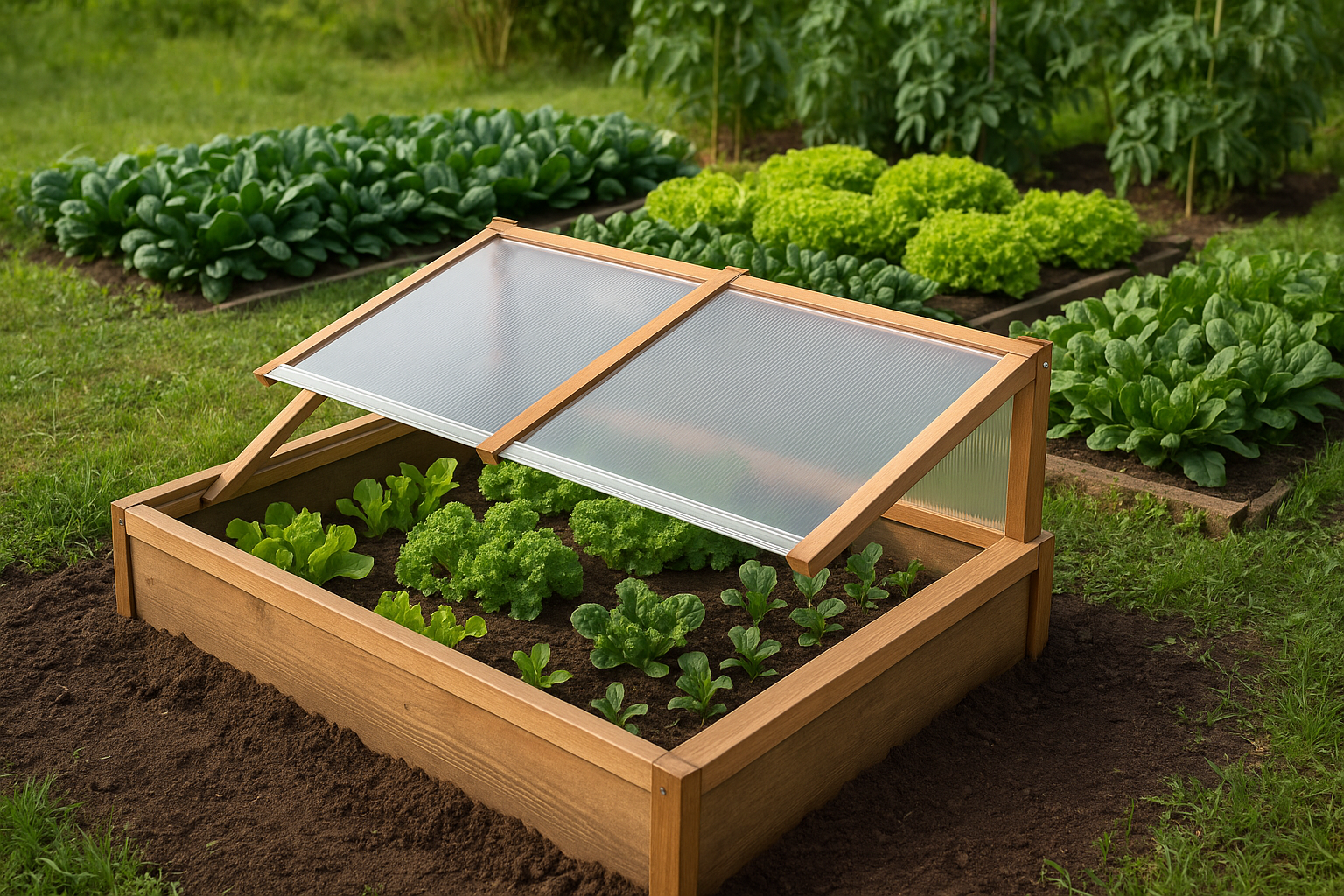
A cold frame is a simple structure used in gardening that consists of a framed box covered with a transparent material such as glass or plastic. Its key purpose is to trap solar radiation, creating a controlled climate around plants that promotes earlier germination, extended growing seasons, and protection from harsh weather conditions. Cold frames come in various designs and sizes and can be built or purchased to suit individual gardening needs.
Why Use a Cold Frame?
Extends the Growing Season
The most significant advantage of a cold frame is its ability to extend the growing season. Gardeners in colder climates can start planting earlier in spring and keep their plants thriving well into the late fall or even winter. This time extension means access to fresh vegetables and herbs when they would not typically be available.
Protection from Harsh Weather
Cold frames offer a unique shelter against inclement weather. They can shield delicate seedlings from freezing temperatures, strong winds, and heavy rain, helping to foster healthy plant growth.
Enhanced Microclimate
The thermal mass created by the enclosed space of a cold frame results in a microclimate that can be several degrees warmer than the surrounding environment. This warmth allows plants to thrive even in cooler conditions.
Building a Cold Frame: A Step-by-Step Guide
Step 1: Choose the Location
Select a location that receives ample sunlight for the majority of the day. The more sun exposure your cold frame receives, the more efficient it will be at regulating temperature. Ideally, you want a southern or southeastern exposure.
Step 2: Build the Frame
You can use a variety of materials to construct your cold frame. Here’s a simple plan:
- Materials Needed:
- Wooden planks (cedar is an excellent option due to its rot resistance)
- Hinged glass or Plexiglass panels for the top
- Screws and nails
- Optional: hinges for the top if you prefer a lid
- Optional: a thermometer to measure internal temperature
Instructions:
- Measure and Cut: Depending on the space you have and your needs, decide the dimensions of your cold frame. A common size is 3×6 feet. Cut the wooden planks to make a rectangular frame.
- Assemble the Base: Using screws or nails, join the edges of the wooden pieces to form a sturdy rectangle.
- Construct the Sides: Cut additional wooden pieces to create a frame that will serve as the sides. The back should be slightly taller than the front to facilitate drainage and airflow.
- Attach the Cover: Once the sides are in place, fit the glass or Plexiglass panels to the top, ensuring they are secured well. Hinges on one side can allow the top to be opened for ventilation.
Step 3: Prepare the Soil
Fill your cold frame with high-quality soil to get your plants started on the right foot. Consider mixing compost with peat or soil to create a rich and fertile environment.
Step 4: Monitor Temperature
A thermometer can help you monitor the internal temperature of the cold frame. The daytime temperature can easily climb 10–30 degrees Fahrenheit above the outside temperature due to the greenhouse effect.
What Can You Grow in a Cold Frame?
Cool-Season Vegetables
Cold frames are ideal for growing cool-season vegetables that thrive in slightly cooler conditions. Here are some excellent options:
- Lettuce: A staple salad ingredient; it germinates well in cool weather and can be harvested multiple times.
- Spinach: Offers nutrient-rich, leafy greens and grows quickly.
- Radishes: Fast-growing and perfect for early spring or late fall planting.
- Kale: Drought-resistant and frost-hardy, kale loves cooler temperatures.
- Carrots: They thrive well in the cooler months, developing better flavor under stress.
Early Blooming Flowers
Cold frames can also help you cultivate early-blooming flowers, enhancing your garden’s aesthetics. Consider:
- Pansies: Hardy and colorful, they bring cheer to any garden.
- Primroses: Blooming in early spring, they can be started in a cold frame for earlier flowers.
Hardening Off Seedlings
If you’ve started your seeds indoors, a cold frame is an excellent place for hardening off your seedlings. It helps acclimatize them to outdoor conditions before transplanting.
When to Use Your Cold Frame?
Spring and Fall Planting
- Spring: Start planting in early spring as soon as the soil is workable. Use the cold frame to germinate seeds and later transplant them into your garden.
- Fall: Extend the growing season into the fall, allowing crops to continue thriving even as temperatures drop.
Winter Use
Some gardeners successfully use cold frames in winter by strategically placing them in direct sunlight and insulating them with blankets or hay on particularly cold nights. Crops like kale, spinach, and carrots can often survive the winter’s chill.
How to Maintain Your Cold Frame
Ventilation
Proper ventilation is critical to prevent overheating and humidity buildup, which can lead to disease. Most cold frames should have an adjustable lid or opening panels to allow for air circulation.
Watering
Pay attention to the moisture levels within your cold frame. The enclosed nature can lead to faster drying, so regularly check the soil’s moisture content. Water when necessary but avoid over-watering since this can also lead to mold or disease.
Pest Management
Maintain vigilance against pests. Cold frames can attract unwelcome garden visitors, but because they are enclosed, you can easily use organic pest control methods such as neem oil, insecticidal soap, or beneficial insects like ladybugs.
Frequently Asked Questions about Cold Frame Gardening
1. Can I use a cold frame in all climates?
Yes! The adaptability of cold frames makes them suitable for various climates. In warmer regions, they can be used to grow sensitive crops during the cooler months. In colder regions, they extend the growing season and protect plants from frost.
2. What materials are best for cold frame lids?
Glass is excellent for cold frame lids as it is highly transparent and allows maximum sunlight through. Plexiglass is also a good alternative as it’s lighter and less prone to breaking.
3. How do I know when to open my cold frame?
As a general rule, open the cold frame lid on sunny days when the internal temperature exceeds 70-75°F (21-24°C) to allow for ventilation. Conversely, keep it closed during cold nights or when it’s particularly chilly.
4. Can I use a cold frame to overwinter plants?
Yes, many gardeners successfully use cold frames to overwinter hardy vegetables. Insulate with straw bales, blankets, or mulch for additional protection.
5. How do I create a DIY cold frame on a budget?
You can create a simple cold frame with repurposed materials like old windows or pallets. Use your creativity to adapt materials that are already available to you, saving both cash and resources.
Success Stories: Real-Life Examples
Local Farmer’s Cold Frame Triumph
Jane, a small-scale farmer, was able to extend her carrot harvest through November by setting up several cold frames in her garden. She reported that the carrots were sweeter than those grown in warmer months, as the cold stressed the plants and enhanced their flavor.
Community Garden Initiative
A community in a northern climate collaborated to build a series of cold frames for their shared garden. This cooperative effort extended their ability to grow fresh produce into the winter months. Local schools partnered with them, teaching children about gardening while utilizing the cold frames for educational purposes.
Conclusion
Cold frame gardening is not only a practical addition to any gardener’s toolkit, but it also represents a turning point for those looking to establish a year-round gardening experience. By learning how to build, maintain, and utilize a cold frame effectively, you can increase the varieties and quantities of produce you grow, regardless of your climate.
Controlled by nature, nurtured by your hands, the cold frame allows you to grow, harvest, and enjoy the flavors of fresh produce throughout the year. Whether you are a seasoned gardener or a curious novice, incorporating cold frames into your gardening routine opens up a world of possibilities—nurturing a deeper connection with nature and enriching your dietary choices. So grab your tools, roll up your sleeves, and get ready to experience the joys of cold frame gardening!