
Introduction
Creating a flourishing garden often begins with the soil beneath our feet. The foundation of any healthy garden ecosystem is the quality of the soil, which directly affects plant health, nutrient availability, and ultimately, your garden’s productivity. One common challenge many gardeners face is alkaline soil, which can hinder the growth of acid-loving plants, cause nutrient deficiencies, and even lead to poor plant health. Fortunately, there are effective methods to lower soil alkalinity and foster a thriving garden. In this article, we will explore the causes of alkaline soil, its effects on plants, and several strategies to amend it.
Understanding Soil pH
Before delving into the specifics of how to reduce soil alkalinity, it’s essential to grasp the concept of soil pH. Soil pH is a measure of the acidity or alkalinity of the soil, with a scale ranging from 0 to 14:
- Acidic Soil: pH less than 7
- Neutral Soil: pH around 7
- Alkaline Soil: pH greater than 7
Ideal pH levels for most garden plants usually range between 6.0 and 7.0. When the pH exceeds 7.5, the soil is considered highly alkaline, leading to issues such as:
- Nutrient imbalances
- Toxicity to plants (e.g., excess sodium)
- Reduced microbial activity
What Causes Alkaline Soil?
Understanding the origins of alkaline soil can help gardeners effectively tackle the problem. Several natural and human-induced factors contribute to soil becoming alkaline:
- Soil Composition: Soils high in calcium carbonate or gypsum are naturally alkaline.
- Climate: Areas with low rainfall often experience higher pH levels due to mineral buildup.
- Irrigation: Watering with alkaline water sources (common in areas with high bicarbonate levels) can raise soil pH.
- Fertilizers: Overuse of lime-rich fertilizers can increase alkalinity.
- Organic Matter Depletion: Over-farming or lack of organic amendment can reduce acidic organic matter, resulting in higher pH levels.
How Do I Know If My Soil Is Alkaline?
To determine whether your soil is alkaline, follow these steps:
-
DIY Soil pH Test:
- Materials: White vinegar, baking soda, soil sample.
- Procedure:
- Take a small amount of soil and mix it with water to create a slurry.
- Add a few drops of vinegar. If it fizzes, the soil likely contains calcium carbonate, indicating alkalinity.
- Rinse and dry the same soil sample, then add baking soda mixed in water. If it fizzles, it might be slightly acidic.
-
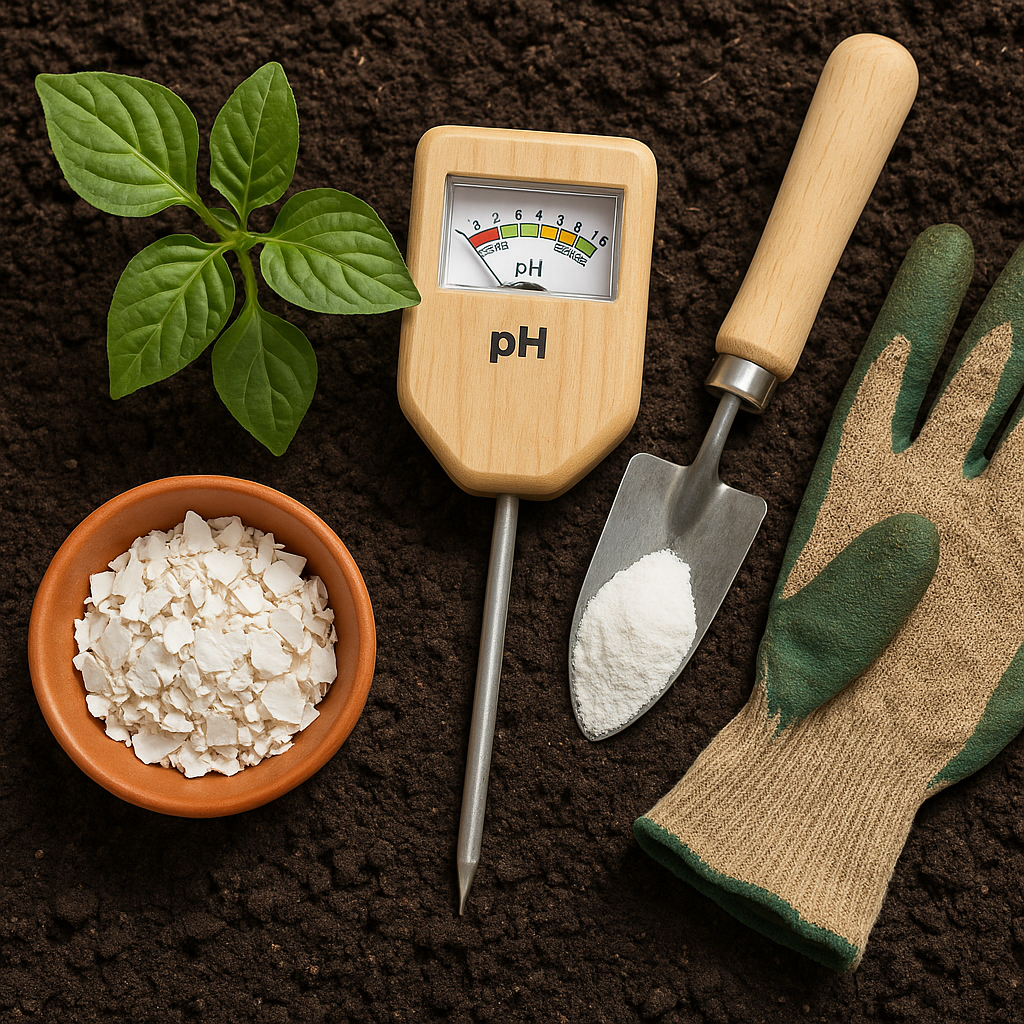
Use a Soil pH Meter: For a more accurate measurement, purchase a soil pH testing kit or meter from a gardening store. Follow the instructions for testing your soil.
-
Send Samples for Laboratory Testing: For the most precise results, consider sending soil samples to agricultural extension services or agricultural laboratories for analysis.
How Does Alkaline Soil Affect Garden Plants?
Alkaline soil poses numerous challenges to plant health:
-
Nutrient Deficiencies: Essential nutrients like iron, manganese, and phosphorus become less available in high pH conditions, leading to deficiencies that stunt plant growth.
-
Poor Microbial Activity: Beneficial bacteria and fungi that contribute to soil health may struggle in alkaline conditions, impacting nutrient cycling.
-
Plant Stress: Many plants, especially those that thrive in acidic conditions (like blueberries, azaleas, and rhododendrons), show stunted growth or even die in alkaline soil.
Strategies to Reduce Soil Alkalinity
Now that we’ve covered the basics of soil pH and its implications, let’s explore effective strategies to make your garden soil less alkaline.
1. Add Organic Matter
Why? Organic matter, such as compost and well-rotted leaves, not only enhances soil structure but also improves nutrient retention and biological activity. As organic matter decomposes, it contributes to lowering soil pH.
How to Do It:
- Compost: Create or buy compost that contains a balance of green (nitrogen-rich) and brown (carbon-rich) materials. Incorporate several inches into your garden beds annually.
- Leaf Mold: Collect fallen leaves, pile them up, and let them decompose. Leaf mold is rich in organic materials that can help lower pH over time.
2. Incorporate Acidifying Amendments
Several naturally occurring substances can enhance soil acidity:
-
Elemental Sulfur: This is the most common amendment for lowering pH.
- Application: Apply 1 to 2 pounds per 100 square feet, till it into the soil, and allow time for it to convert to sulfuric acid through microbial action.
-
Iron Sulfate: Acts quickly to lower soil pH and provide iron.
- Application: Follow label instructions; avoid over-application to prevent toxicity.
-
Aluminum Sulfate: Another rapid acidifying amendment but should be used carefully.
- Application: Similar to iron sulfate, calibrated to avoid toxicity.
3. Utilize Organic Mulch
Organic mulches can contribute to the acidity of the soil as they decompose:
-
Types of Mulch: Pine needles, wood chips, and shredded leaves are excellent choices.
-
Application: Spread a 2-3 inch layer around your plants during the growing season to keep the soil moist and gradually lower pH.
4. Use Acidifying Fertilizers
Certain fertilizers naturally lower soil pH:
-
Ammonium-based Fertilizers: Such as ammonium sulfate, can acidify the soil as they break down.
-
Application Tips: Apply according to the manufacturer’s directions, monitoring for any plant stress or response.
5. Plant Acid-Loving Species
Integrating acid-loving plants can help naturally lower soil pH through their growth and decay:
- Recommended Plants: Blueberries, azaleas, rhododendrons, and heather. As these plants grow and produce organic material, they’ll gradually acidify soil.
6. Improve Drainage
Alkaline soils often retain water; improving drainage can help:
-
Raised Beds: Building raised beds aids drainage and can help control soil pH more easily.
-
Soil Amendments: Incorporate sand or perlite to improve drainage and aeration.
7. Watering Practices
The water you use can significantly affect your soil pH:
-
Water Testing: If you’re using well water, have it tested for alkalinity and adjust your water source if necessary.
-
Rainwater Collection: Using rainwater instead of alkaline municipal water can gradually help lower pH levels in your garden soil.
Frequently Asked Questions
How long does it take to lower soil pH?
Lowering soil pH is not an overnight process. Depending on the method used, it can take several weeks to months. Elemental sulfur, for example, may take 2-6 months to effectively lower pH, whereas organic matter can work faster.
Is it safe to mix different amendments?
Yes, combining acidifying amendments can be effective but requires careful management to avoid over-acidifying. Keep soil tests in mind, and make adjustments based on plants’ health.
Can I use vinegar to lower pH quickly?
While vinegar (acetic acid) can temporarily acidify soil, it is not a sustainable or effective long-term solution. It dissipates quickly and can even harm beneficial microbial life if used excessively.
How often should I test my soil pH?
Test soil pH at least once a year, particularly in gardens with irrigation issues or frequent fertilization. Adjust as necessary based on plant responses and environmental changes.
What are signs of soil alkalinity stress in plants?
You may notice yellowing leaves (chlorosis), stunted growth, or failure to bloom. Nutrient deficiencies often manifest visibly, so keep an eye on your plants for signs of stress.
Conclusion
Creating a productive and vibrant garden starts with understanding and managing your soil’s acidity. By taking the time to assess your soil’s pH, identify symptoms of alkaline conditions, and employing effective strategies for amendment, you can transform your garden into a flourishing landscape of color and life. Remember that each step you take, whether using organic matter, acidifying amendments, or improving drainage practices, contributes to a healthier soil environment, restoring balance, and promoting robust growth for the plants you cherish.
With patience and diligence, you can conquer the challenges posed by alkaline soil and cultivate an environment that supports the full spectrum of garden beauty and biodiversity. Happy gardening!