
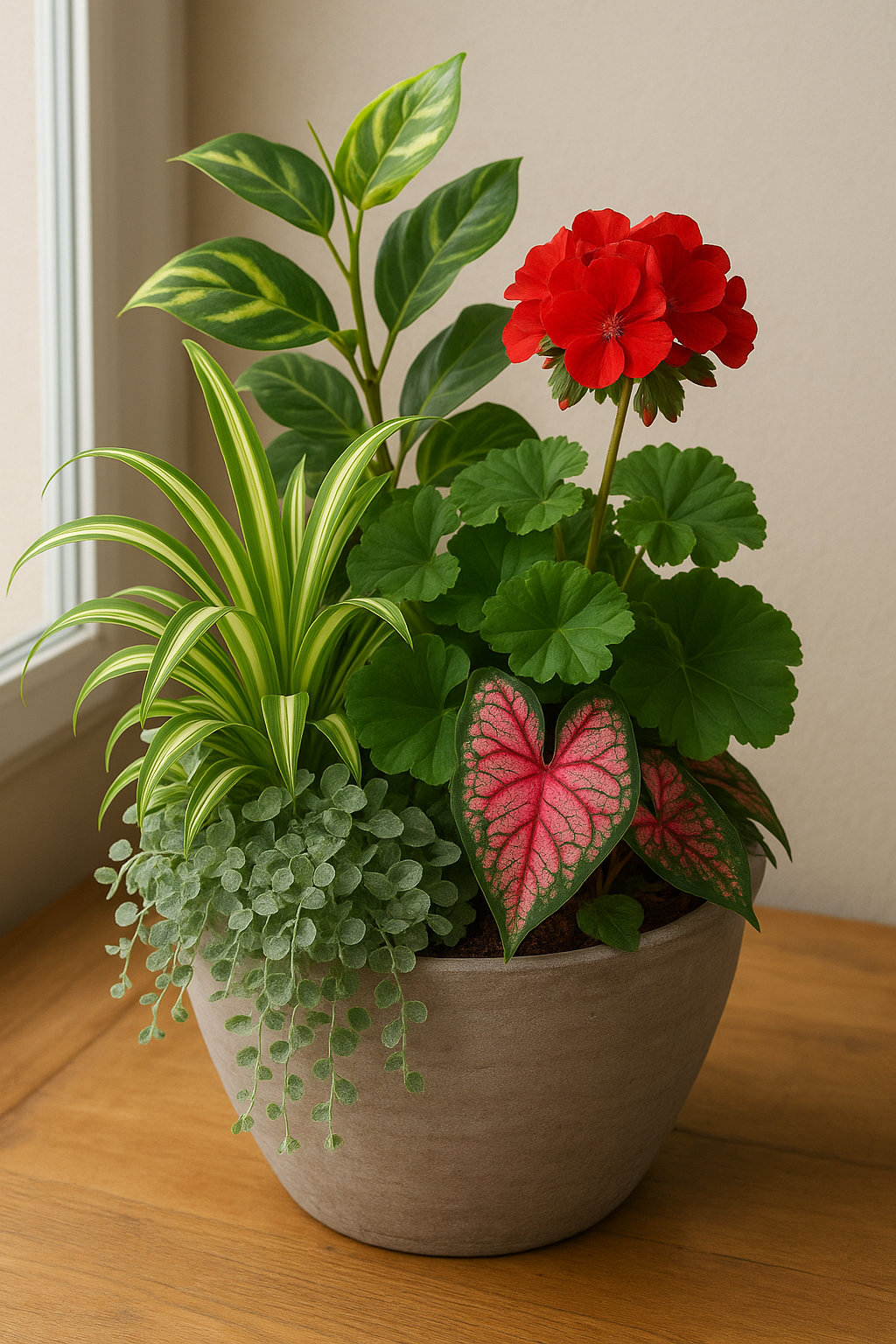
Whether you’re a seasoned plant enthusiast or a novice gardener, mixed plant pots offer a unique way to bring vibrancy and life to any space. Combining various plants in a single pot not only enhances aesthetic appeal but also promotes growth and health. In this extensive guide, we’ll delve into the why, how, and what of creating stunning mixed plant pots, answering frequently asked questions and providing a wealth of information for anyone interested in this captivating gardening approach.
Why Create Mixed Plant Pots?
Aesthetic Appeal
One of the primary reasons for creating mixed plant pots is the visual impact they deliver. A well-planned arrangement blends colors, textures, and forms, creating a lush, dynamic display. Plants with contrasting leaf shapes or colors can draw the eye and add depth to any space, whether indoors on a windowsill or outdoors on a patio.
Ecological Balance
Mixed plant pots can provide ecological benefits as well. Certain plants can help improve the health of others through companion planting. For instance, some plants can deter pests that would harm neighboring plants, while others might attract beneficial insects. This complementarity can create a mini-ecosystem within your mixed pot.
Space Optimization
For urban gardeners or those with limited outdoor space, mixed plant pots can maximize plant variety in a confined area. Instead of dedicating a specific container to a single plant, you can mix multiple varieties to enjoy a diverse garden right at your doorstep.
Personal Expression
Creating mixed plant pots also allows for a form of personal expression. The combination of colors, textures, and plant characteristics can represent your unique style, making your space feel more personalized and reflective of who you are.
Choosing the Right Plants
Compatibility: Friends or Foes?
When selecting plants for your mixed pot, compatibility is crucial. You’ll want to choose plants that thrive under similar light and water conditions. Here are some factors to consider:
-
Light Needs: Ensure that all chosen plants have similar sunlight requirements. A combination of low-light plants, for example, wouldn’t fare well with high-light succulents.
-
Watering Needs: Some plants prefer dry conditions, while others thrive in moist soil. Combining plants with differing watering needs can lead to disaster, as you may end up overwatering or underwatering.
-
Growth Habits: Consider whether plants will quickly overshadow or invade the space of their neighbors. Mixing slow-growing plants with faster-growing ones can lead to imbalances.
Plant Types to Consider
When creating your mixed plant pot, think about incorporating plants from the following categories for optimal interest and harmony:
-
Foliage Plants: Variations in leaf shape and color can provide a stunning backdrop. Consider plants like Caladium, Ferns, or Philodendron for lush greenery.
-
Flowering Plants: Adding flowers can infuse your pot with bursts of color. Plants like Pansies, Petunias, or Snapdragons can provide delightful blooms.
-
Succulents and Cacti: These plants are hardy and require little maintenance, making them ideal for beginners.
-
Herbs: For a useful touch, consider adding edible herbs like Basil, Thyme, or Mint. They provide culinary benefits along with aesthetic ones.
Planning Your Mixed Plant Pot
Container Choice
Your choice of container plays a significant role in the success of your mixed plant pot. Here are some considerations when choosing a pot:
-
Size: Choose a pot that is large enough to accommodate the root systems of the selected plants. A pot that is too small may restrict growth and lead to an unhealthy arrangement.
-
Material: Pots can be made from various materials, including ceramics, terracotta, plastic, and metal. Consider the insulation properties of the material; for instance, terracotta is porous and allows for better air circulation but dries quickly.
-
Drainage: Proper drainage is essential to prevent root rot. Ensure your container has drainage holes, and you may also want to add a layer of gravel or small stones at the bottom to facilitate water movement.
Soil Selection
The foundation of your mixed plant pot is the soil. Different plants may require different soil types, but here are some general guidelines:
-
Quality Potting Mix: A good-quality potting mix is essential for healthy plant growth. Look for soil enriched with organic matter.
-
Consider Substrates: If you’re mixing succulents with ferns, you may want to create a blended soil mixture that meets the specific needs of your plant selection.
Assembling Your Mixed Plant Pot
Step-by-Step Process
-
Prepare Your Container: Clean your pot thoroughly and ensure it has adequate drainage. Adding a layer of stones at the bottom can assist with this.
-
Add Soil: Fill the pot with your potting mix, leaving some space at the top. You should fill the container to about two-thirds full.
-
Arrange Your Plants: Before planting, position your plants in the pot without digging them in. This can help you visualize how they will fit together and ensure an attractive layout.
-
Planting: Once you’re satisfied with the arrangement, plant each one carefully, ensuring their roots are covered and firmed into place.
-
Fill Gaps: Add extra soil around the plants to fill any gaps. This is crucial for stability.
-
Water: Give your new mixed plant pot a good drink, soaking the soil but avoiding waterlogging.
Maintenance of Your Mixed Plant Pot
Creating a mixed plant pot is just the beginning; maintenance is key to keeping your arrangement thriving. Below are tips on how to care for your plants effectively.
-
Watering: Watering needs can vary. Generally, check the top inch of soil; if dry, it’s time to water. Be cautious of overwatering, particularly with certain plants that prefer drier conditions.
-
Fertilization: Use a balanced liquid fertilizer every few weeks during the growing season. Over-fertilizing can harm sensitive plants, so adhere to the recommended dilution.
-
Pruning: Some plants may grow faster, requiring pruning to maintain balance. Regularly check for dead or yellowing leaves and remove them promptly to encourage healthy growth.
-
Repotting: As your plants grow, they may outgrow their pot, necessitating repotting. Keep an eye out for root bound plants, which can show signs of stress, such as stunted growth.
Troubleshooting Common Issues
As you embark on your mixed plant pot journey, issues may arise. Here are common problems, along with their solutions:
Problem: Plants Wilting
Cause: Overwatering or underwatering.
Solution: Check moisture levels by sticking your finger into the soil. If it’s soggy, allow it to dry out; if it’s dry, water adequately.
Problem: Leaves Yellowing
Cause: Nutrient deficiencies or pest infestations.
Solution: Inspect for pests such as aphids or spider mites. Provide balanced fertilizer and consider using neem oil for pest control.
Problem: Mold Formation
Cause: Excess moisture and lack of airflow.
Solution: Reduce watering and ensure adequate airflow. Consider removing the top layer of soil if mold is visible.
Creating a Seasonal Mixed Plant Pot
An exciting way to keep your mixed plant pot dynamic is by changing its content seasonally. Here is how you can approach seasonal arrangements:
Spring
Focus on vibrant blooms with plants like Pansies, Snapdragons, and several herb varieties. This is the season to experiment with pastel colors and fragrant herbs for a cheerful start to the gardening year.
Summer
Incorporate heat-loving annuals like Zinnias, Geraniums, and Lobelia. Give your pot a more tropical vibe with varieties that boast bold colors—imagine a pot overflowing with rich reds and bright yellows.
Fall
Consider transitioning to fall varieties such as Chrysanthemums and ornamental grasses. Plant pumpkins or gourds atop the soil for a festive touch that is perfect for autumn décor.
Winter
Indoor arrangements should focus on evergreen plants and hardy succulents. Christmas Cactus and Amaryllis can bring festive cheer, combined with winter-hardy foliage.
Frequently Asked Questions
What size should my mixed plant pot be?
A good rule of thumb is to choose a pot that’s large enough to accommodate the root systems of all the plants you intend to include. A container that’s 12-16 inches in diameter is usually adequate for smaller arrangements.
Can I mix indoor and outdoor plants in the same pot?
While it’s technically possible to mix indoor and outdoor plants, it’s generally advisable to keep them separate. This is due to differing environmental needs, such as humidity, light, and temperature.
How often should I change my mixed plant pot?
This depends on the growth of the plants and their seasonal needs. If the plants are thriving, you may maintain the arrangement for several months, but aim to refresh your pot at least once a year to keep it vibrant and healthy.
What should I do if my mixed plant pot looks overgrown?
Prune back the plants that are taking over, ensuring not to remove too much foliage at once. If necessary, consider repotting with fewer plants or more space to allow for better growth and air circulation.
Conclusion
Creating mixed plant pots is an art form that hinges on understanding plant compatibility, aesthetic design, and maintenance techniques. As you embark on your journey of arranging your mixed plant pots, remember that, above all, gardening should be a rewarding and enjoyable experience. By experimenting with different combinations and designs, you can create stunning arrangements that enhance your living space, express your personality, and foster a miniature garden ecosystem that brings joy and beauty to your everyday life.
Happy planting!