
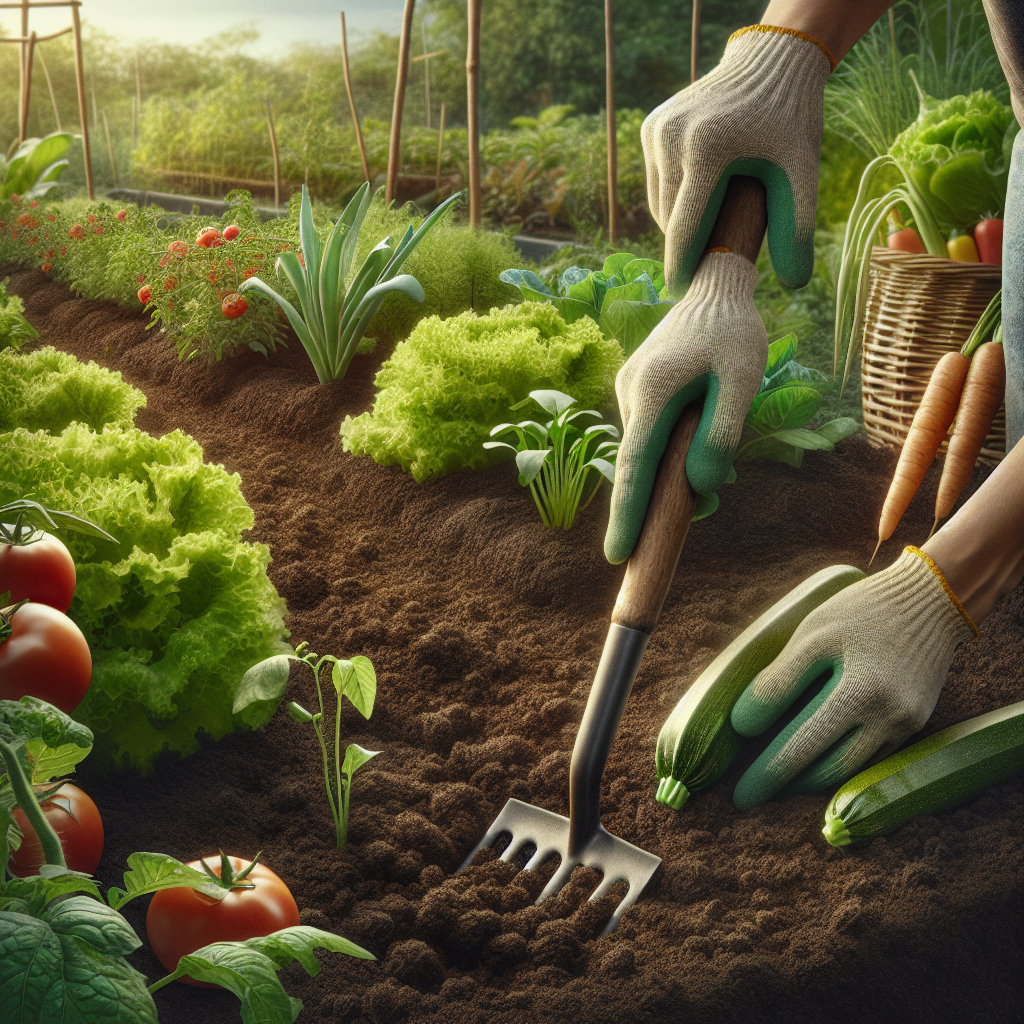
Creating a vibrant vegetable garden starts not only with the seeds you plant and the sunlight that bathes them but significantly with the quality of the soil in which they grow. Aeration is a crucial yet often overlooked practice that can greatly influence the health and productivity of your vegetable garden. In this comprehensive article, we’ll explore the essentials of soil aeration, the benefits it offers, methods to aerate your soil effectively, and answer common questions about this vital gardening technique.
What is Soil Aeration?
Soil aeration refers to the process of loosening and breaking up compacted soil to allow for better airflow, water movement, and nutrient absorption. Healthy soil is filled with tiny air pockets that not only help promote root growth but also facilitate the activities of beneficial microorganisms, insects, and plant roots.
Why is Aeration Important?
-
Improved Water Penetration and Drainage
Compact soil often struggles to absorb moisture effectively. Aeration promotes better water penetration and drainage, ensuring that your plants receive the hydration they need without the risk of waterlogging.
-
Enhanced Nutrient Uptake
When soil is compacted, roots find it difficult to penetrate and access essential nutrients. Aerated soil enables greater root expansion, which leads to enhanced nutrient uptake and healthier plants.
-
Encouragement of Beneficial Microorganisms
Soil is a living ecosystem. Aeration supports the growth of beneficial microorganisms that play key roles in decomposing organic matter and cycling nutrients. Healthy soil microbiomes lead to richer, more fertile grounds for your vegetables.
-
Root Health and Growth
Compacted soil restricts root development, limiting their exposure to moisture and nutrients. Aeration creates space for roots to spread out and grow robustly, enabling plants to thrive.
-
Reduced Soil Compaction
Regular aeration helps prevent soil compaction, a condition that can arise from heavy foot traffic or the use of heavy equipment in the garden.
How to Aerate Your Soil: Methods and Techniques
1. Hand Tools
Hand Tiller or Garden Fork
For small garden spaces, using a hand tiller or a garden fork can be effective. Here’s how to do it:
-
Step 1: Begin by identifying areas of compaction. Look out for dry patches or areas where water tends to pool.
-
Step 2: Insert the fork into the soil at about a 45-degree angle and lift slightly, creating air pockets.
-
Step 3: Work in small sections, moving around the garden bed.
-
Step 4: Be sure to break up large clumps of soil, allowing air to flow freely.
Benefits of Hand Tools: Simple, easy to use, and perfect for small gardens; they allow for very controlled aeration.
2. Mechanical Aerators
Core Aerators
For larger gardens, consider using a core aerator, which extracts small plugs of soil from the ground.
-
Step 1: Choose the appropriate time; aeration is best done during the growing season.
-
Step 2: Rent or buy a core aerator and push it across the soil. The machine will remove plugs of soil, leaving holes behind.
-
Step 3: Leave the soil plugs on the surface to decompose, enriching your soil with organic matter.
Benefits of Mechanical Aerators: Can aerate larger areas quickly and efficiently while providing greater oxygen levels in the soil.
3. Natural Methods
Addition of Organic Matter
One of the best ways to aerate soil naturally is by adding organic matter, such as compost, manure, or leaf mold.
-
Step 1: Spread a layer of organic material over your garden bed.
-
Step 2: Use a fork or tiller to mix it into the top 6-8 inches of soil.
Benefits of Organic Matter: Enriches the soil, improves structure, and provides nutrients while promoting a rich microbial community.
4. Scheduled Aeration
Make aeration a part of your regular garden maintenance schedule. A well-timed aeration can be done a couple of times during the growing season, ideally in spring and fall, to maintain soil health and productivity.
How Often Should You Aerate Your Vegetable Garden?
The frequency of aeration will depend largely on your soil type and the extent to which it becomes compacted. Generally:
- For sandy soils: Aerate once a year to maintain loose texture.
- For clay soils: Consider aerating at least twice a year as clay tends to compact more readily.
- For highly trafficked areas: More frequent aeration may be necessary.
Benefits of Aerating Soil in a Vegetable Garden
Increased Crop Yield
Research has shown that well-aerated soil leads to higher crop yields. When plants have access to the nutrients, water, and oxygen they require, they’re destined to grow larger and produce more fruit and vegetables.
Soil Structure Improvement
Regular aeration helps improve soil structure. It enhances the natural aggregation of soil particles, allowing it to retain moisture and nutrients while facilitating drainage.
Enhanced Pest & Disease Resistance
Healthy plants grown in well-aerated soil are generally more resistant to pests and diseases. Strong root systems and well-nourished plants develop better defenses against stress, contributing to overall garden health.
Improved Soil pH
Aeration helps in balancing soil pH. The microbial activity stimulated by aeration naturally influences the soil’s acidity or alkalinity, necessary for optimal plant growth.
Compliance with Organic Gardening Principles
If you are an organic gardener, aeration aligns with sustainable gardening practices. Open soil allows earthworms and beneficial microorganisms to thrive, turning your soil into a rich environment for growth.
Frequently Asked Questions (FAQs) about Soil Aeration in Vegetable Gardening
Q1: How do I know if my soil needs aeration?
Answer: Signs of compacted soil include poor drainage, dry patches, and difficulty in digging. A simple test is to push a garden fork or stick into the soil; if you meet resistance and can’t penetrate easily, it may be time to aerate.
Q2: What time of the year is best for aerating soil?
Answer: The best time to aerate is during the growing season—early spring or fall—when the plants are actively growing but not in distress. This allows plants to recover quickly from the process.
Q3: Can I aerate too much?
Answer: While regular aeration is beneficial, over-aeration can disturb microbial communities and lead to nutrient depletion. Moderation is key; aim for once or twice a year based on your soil and garden needs.
Q4: Will aerating soil disturb the roots of my vegetables?
Answer: If done carefully, aeration shouldn’t harm vegetable roots significantly. Just be mindful of how deep you’re aerating, especially if plants are already established.
Q5: Are there specific vegetables that benefit more from aeration?
Answer: Most vegetables benefit from aerated soil, particularly root vegetables such as carrots, beets, and potatoes, which thrive in loose soil. Leafy greens, tomatoes, and peppers also appreciate well-aerated soil.
Q6: Is it necessary to remove the soil plugs after aeration?
Answer: No, it’s best to leave the plugs on the surface as they will break down and add organic matter back into the soil.
Q7: How does composting aid in soil aeration?
Answer: Composting naturally creates air pockets within the soil mixture, improving structure. The breakdown of organic matter encourages earthworms and beneficial microbes, which further aids aeration.
Q8: Can I aerate my garden without any tools?
Answer: Yes, using the natural method of adding organic matter, such as compost or mulch, can help aerate soil without tools. Additionally, planting cover crops can enhance soil structure and aeration naturally.
Q9: What should I do after aeration?
Answer: After aerating, it’s beneficial to apply a layer of compost or organic fertilizer to enrich the soil. Water deeply to help settle and nourish your garden.
Conclusion: A Breath of Fresh Air for Your Vegetable Garden
Aerating your soil is not just a recommendation; it is a necessity for anyone invested in growing a thriving vegetable garden. The practice promotes better water drainage, nutrient absorption, and overall plant health, leading to bountiful harvests. With diverse methods available for aerating soil, from manual tools to mechanical devices, and the enriching benefits of organic matter, any gardener can find an approach suited to their garden’s needs.
So, roll up your sleeves, grab your tools, and give your soil the aeration it deserves. Your vegetables will thank you with vibrant colors and exceptional flavors! Embrace the art of aeration and watch your vegetable garden flourish in ways you never thought possible. Happy Gardening!