
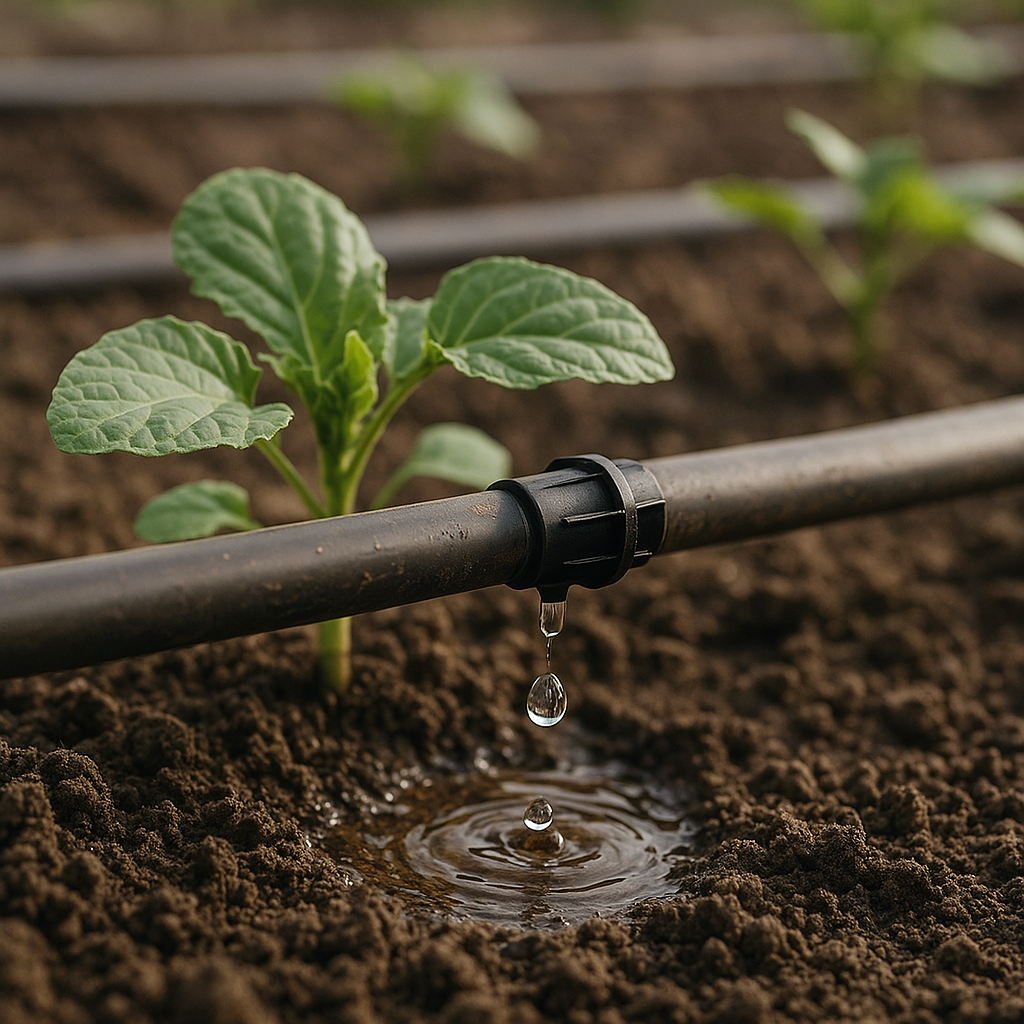
Drip irrigation is a highly efficient watering system designed to deliver water directly to the root zone of plants, minimizing evaporation and runoff. This modern approach to irrigation has transformed agriculture and gardening, delivering water precisely where it’s needed most. In this article, we’ll delve deep into the intricacies of drip irrigation, exploring how often to run it, the factors that influence this decision, and much more.
What Is Drip Irrigation?
Before discussing how often to run your drip irrigation system, it’s essential to understand what it is and how it works. Drip irrigation is a type of micro-irrigation that involves a network of tubes, pipes, and emitters designed to allow water to drip slowly directly to the roots of plants. This system can save water, reduce weeds, and promote healthier plant growth by preventing over-saturation of the soil.
Benefits of Drip Irrigation
- Water Efficiency: Drip irrigation uses 30-50% less water than traditional methods like sprinklers.
- Reduced Soil Erosion: By delivering water directly to the root zone, soil erosion is minimized compared to surface watering.
- Fertilizer Efficiency: Fertilizers can be applied through the irrigation system, reducing the risk of runoff and improving nutrient uptake.
- Weed Control: Watering directly at the base of plants helps reduce weed growth since surrounding areas remain dry.
- Disease Prevention: Targeted watering keeps foliage dry, reducing the likelihood of fungal diseases.
- Adaptability: Drip systems can be adapted to various landscapes, from vegetable gardens to sprawling orchards.
How Often Should You Run Your Drip Irrigation System?
General Guidelines
The frequency with which you run your drip irrigation system depends on several factors, including:
- Plant Water Requirements: Different plants have varying water needs. For instance, succulents require less water than leafy greens.
- Soil Type: Sandy soils drain quickly and may require more frequent watering than clay soils, which retain moisture.
- Weather Conditions: Hotter temperatures and wind can increase evaporation rates, necessitating more frequent irrigation.
- Growth Stage: Newly planted seedlings need more frequent watering than established plants.
Rule of Thumb
As a general guideline, many gardeners and farmers run their drip irrigation systems two to three times a week, with durations ranging from 30 minutes to two hours per session. However, these figures can vary widely based on the factors mentioned above.
How Long Should I Run Drip Irrigation?
The timing of your drip irrigation system is just as crucial as frequency. Here are some guidelines on determining how long to run your system:
-
Soil Moisture Level: The best way to ascertain how long to run your irrigation is to monitor soil moisture. Use a soil moisture meter, or simply stick your finger into the soil; if it comes out dry several inches down, it’s time to run the irrigation.
-
Emitter Flow Rate: Different drip emitters have different flow rates, typically ranging from 0.5 to 2 gallons per hour. Calculate the total output based on the number of emitters and the desired amount of water for your plants. For example, if you have ten 1-gallon-per-hour emitters and want to give your plants 1 inch of water over a 100-square-foot area, you would need approximately 62.5 gallons, which means running your system for about 62.5 hours total or spread over several days.
-
Seasonal Adjustments: In cooler months, you may reduce the run time, while in peak summer, you might increase it.
When Is the Best Time to Run Drip Irrigation?
Timing your irrigation schedule can significantly impact water efficiency and plant health. Here are some tips:
-
Early Morning: The best time to run your drip irrigation is early in the morning. The cooler temperatures reduce evaporation, ensuring more water reaches the roots.
-
Late Afternoon to Early Evening: If morning isn’t an option, late afternoon or early evening is the next best choice, as long as it’s not too late to leave plants wet overnight, which can foster fungal diseases.
-
Avoid Midday: Running your drip irrigation system during the heat of the day is typically not advisable due to high evaporation rates and potential for leaf scorch.
What Factors Impact the Frequency of Drip Irrigation?
Soil Type and Texture
Sandy Soils: These soils drain quickly, often requiring more frequent irrigation. You may need to run the system every day for shorter intervals.
Clay Soils: These retain moisture longer and may only need watering every 4-7 days depending on weather and plant needs.
Loamy Soils: A balance between sand and clay, loamy soils tend to hold moisture well. Adjust based on observed moisture levels.
Plant Type
Vegetables and Fruits: Most garden vegetables and fruits benefit from regular moisture and may need watering every 2-3 days, especially during their growing phase.
Succulents and Cacti: These plants thrive on minimal water and typically require irrigation once every two weeks during the growing season.
Ornamental Plants: Check specific requirements, but ornamental shrubs and perennials might vary significantly in their water needs.
Weather Conditions
-
Temperature: Higher temperatures increase evaporation, so plants may require more frequent watering.
-
Humidity: In regions with high humidity, plants may need less frequent watering.
-
Rainfall: Always check local weather forecasts and adjust your irrigation schedule based on recent rainfall; over-watering can be just as damaging to plants as under-watering.
Growth Stage of Plants
- Seedling Stage: Young plants need more frequent watering (often daily) to encourage deep root growth.
- Established Plants: Once established, most plants can thrive on less frequent watering.
Common Questions About Drip Irrigation Frequency
How Do I Know When to Water?
Monitor your soil’s moisture level using a moisture meter, or check by inserting your finger into the soil. If the top 2-3 inches of soil is dry, it’s time to water.
Can I Overwater with Drip Irrigation?
Yes, overwatering is possible, especially if the system is run too frequently or for too long. Signs of overwatering include yellowing leaves, the presence of mold or fungus, or wilting despite wet soil.
What Maintenance Does a Drip Irrigation System Require?
Regular maintenance is critical for optimal operation:
- Check for Clogs: Regularly inspect emitters for clogs due to mineral buildup.
- Flush the System: Periodically flush the system to remove debris and sediment.
- Inspect Components: Regularly examine pipes, connectors, and emitters for leaks and damages.
Can I Use Drip Irrigation for All Plants?
While drip irrigation is versatile, not all plants prefer this method. Certain plants, particularly those that thrive in wet conditions, might not perform well. Understanding the preferences of each plant type is crucial.
Is Drip Irrigation Eco-Friendly?
Absolutely! Drip irrigation is among the most sustainable methods of watering, using significantly less water while maximizing plant growth. The precise application reduces waste and protects the environment.
How Can I Automate My Drip Irrigation System?
Consider using timers or smart irrigation controllers that adjust watering schedules based on climate data, ensuring optimal water usage.
Conclusion
Understanding how often to run drip irrigation is fundamental to maximizing its benefits while supporting the health of your plants. Remember, there’s no one-size-fits-all answer—your specific watering frequency should reflect various factors such as plant type, soil conditions, and weather patterns.
Drip irrigation is more than just a method of watering; it’s a powerful tool in sustainable agriculture and gardening that helps conserve water, reduce labor, and promote better plant health. As you experiment with your drip system, you’ll develop a better understanding of your landscape’s needs, ensuring both your plants and your water supply thrive.
By carefully considering each aspect of your drip irrigation system and making adjustments based on ongoing observations, you’ll not only improve the health and yield of your plants but also take a significant step towards sustainable gardening and farming practices. So roll up your sleeves, dig into the process, and enjoy all the benefits that drip irrigation has to offer!