
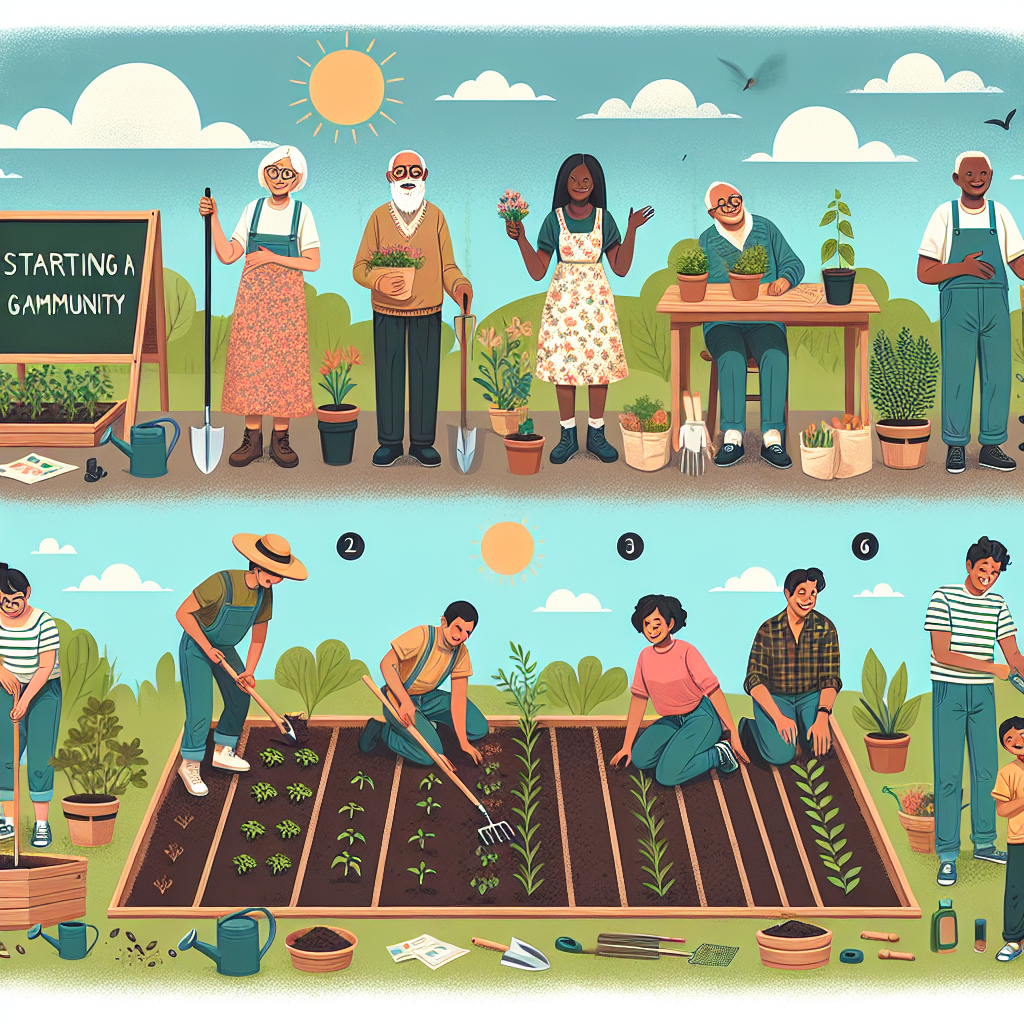
Community gardens have blossomed in cities and towns all around the world, serving as green oases that nourish the body, mind, and soul. Many individuals and organizations have turned to these gardens as a way to promote sustainability, foster community spirit, and improve local food security. But one question often looms large: how much does it cost to start a community garden? This article addresses that question in detail and provides a comprehensive overview of the financial, organizational, and logistical aspects involved in creating one.
Understanding Community Gardens
Before diving into the costs, it’s important to define what a community garden is. Generally, community gardens are shared spaces where multiple individuals or families cultivate fruits, vegetables, flowers, and herbs. These gardens can vary in size, design, and purpose, ranging from small plots maintained by families to larger shared spaces managed by neighborhood associations.
Why Start a Community Garden?
Community gardens offer numerous benefits that justify the investment:
-
Food Security: These gardens empower communities to grow their own food, helping to alleviate food deserts and promote healthy eating.
-
Social Cohesion: They create a space for community interaction, building friendships and fostering social networks among diverse groups.
-
Educational Opportunities: Many community gardens provide valuable opportunities for learning about gardening, nutrition, and environmental stewardship.
-
Environmental Benefits: Green spaces enhance urban biodiversity and contribute to cleaner air and water.
-
Mental Health: Gardening is linked to reduced stress, anxiety, and depression, providing physical and mental health benefits for participants.
Initial Costs: What to Expect
Starting a community garden involves several costs that can vary significantly depending on various factors, including location, size, and existing infrastructure. Below is a breakdown of the potential costs you might incur when starting your community garden:
1. Land Acquisition
One of the most significant expenses is whether you will need to purchase or lease the land.
- Leasing or Renting Land: This may range from $100 to $1,000 per year, depending on your location, the size of the plot, and whether the land is public or private.
- Land Ownership: If your community is fortunate enough to already own land, this cost can be minimized significantly.
2. Soil Preparation and Amendments
Quality soil is the foundation of a successful garden.
- Testing Soil: It’s essential to test the soil for contaminants and nutrient content. A soil test can cost between $30 and $100.
- Soil Amendments: Depending on what’s needed, costs can range from $50 to $200 for compost, fertilizers, and mulch.
3. Garden Design and Layout
The design of the garden, which can affect both aesthetics and functionality, plays an important role.
- Map Making: Simple designs can be created for free using online tools, while hiring a professional landscape designer may cost between $500 and $2,000.
- Paths and Structures: If you’re planning on adding paths or raised beds, that could add another $100 to $1,000.
4. Tools and Equipment
Every garden requires a set of tools to make planting, maintaining, and harvesting feasible.
- Basic Tools: A shovel, trowel, rake, hose, and watering can might total around $200-$500.
- Bigger Equipment: For larger community gardens, consider a tiller or a wheelbarrow, which can add between $100 and $400.
5. Seeds and Starts
You’ll need to budget for the flora that will thrive in your garden.
- Seeds: Depending on what plants you choose, seeds can cost anywhere from $50 to $200.
- Starts: Purchasing seedlings can increase costs to around $300 if you prefer to plant young plants instead.
6. Water Supply
Depending on your location, securing water can be a vital addition.
- Irrigation Systems: A basic irrigation system can cost around $500, while more complex systems may go upwards of $2,000.
- Water Turner Fees: You might also need to account for water tap permits, which can be a one-time cost of about $100.
7. Fencing
If you live in an area with wildlife, a fence may be necessary.
- Basic Fencing: Costs range from $200 to $1,500, depending on materials and length.
- Creative Solutions: If budget is tight, consider using recycled materials that may cost little to nothing.
8. Seeds and Plants
The flora you grow can dramatically affect your initial costs.
- Seeds: Expect to spend anywhere from $50 to $200, depending on the variety and volume.
- Starts: If you prefer to start with seedlings, plan for higher costs, potentially up to $300.
9. Maintenance Costs
Ongoing costs should also be considered to ensure sustainability.
- Water: Monthly expenses can range from $20 to $50, depending on climate and size.
- Fertilizers: Maintenance of soil health can cost between $50 and $200 annually.
- Community Events: Hosting workshops or community days might entail additional costs around $100-$300 annually.
10. Insurance and Permits
Depending on local regulations, you may need insurance or permits.
- Insurance: Community gardens may require liability insurance that could range from $300 to $700 annually.
- Permits: Local governments may require permits that could cost between $50 and $500.
Total Estimated Costs
Based on the various items discussed, the total initial cost of starting a community garden can range widely:
- Low Budget: Approximately $500 – $1,000.
- Mid Budget: Around $1,000 – $3,000.
- High-End Budget: From $3,000 – $10,000, depending on chosen materials and scale.
Budgeting Tips
Here are some strategic budgeting tips:
- Fundraising: Engage with local businesses and nonprofits to seek sponsorships or donations.
- Grants: Various organizations offer grants specifically aimed at community projects. Research and apply for grants to help cover costs.
- Volunteers: Use volunteer labor for installation to offset higher labor costs.
- In-kind Donations: Encourage local nurseries or hardware stores to donate seeds, tools, and materials.
- Community Workshops: Organize workshops that cover topics like composting, organic gardening, and cooking to generate funds.
Questions Community Garden Leaders Should Consider
To ensure the success and sustainability of your community garden, consider the following essential questions:
1. What is the primary goal of this garden?
Defining the garden’s purpose—whether for food production, education, or beautification—will help shape its design and the type of plants you choose.
2. Who will manage and maintain the garden?
Establish a leadership team that can organize tasks, delegate responsibility, and set schedules.
3. How will the garden be funded?
Explore various funding options to offset costs, including specific roles in fundraising.
4. What plants are suitable for my climate?
Research and consult local agriculture resources to ensure you select plants that will thrive in your environment.
5. How can we involve the community?
Develop a community outreach strategy to engage your neighborhood in your project; consider volunteer days or educational workshops.
Conclusion: Nurturing Community Through Gardening
Starting a community garden requires a thoughtful approach to understand costs, logistics, and community engagement. The initial investment, while potentially significant, yields immeasurable benefits in terms of food security, environmental sustainability, community connection, and mental well-being.
Whether you are motivated by nourished bodies or communal bonds, the transformation of vacant lots into lush green patches can unite communities and sow the seeds for a healthier future. Remember, every garden is unique, and with careful planning and community support, you can cultivate not only plants but the very essence of community itself. Embrace the challenge, and you may harvest far more than you initially expected—both in terms of produce and friendship.