
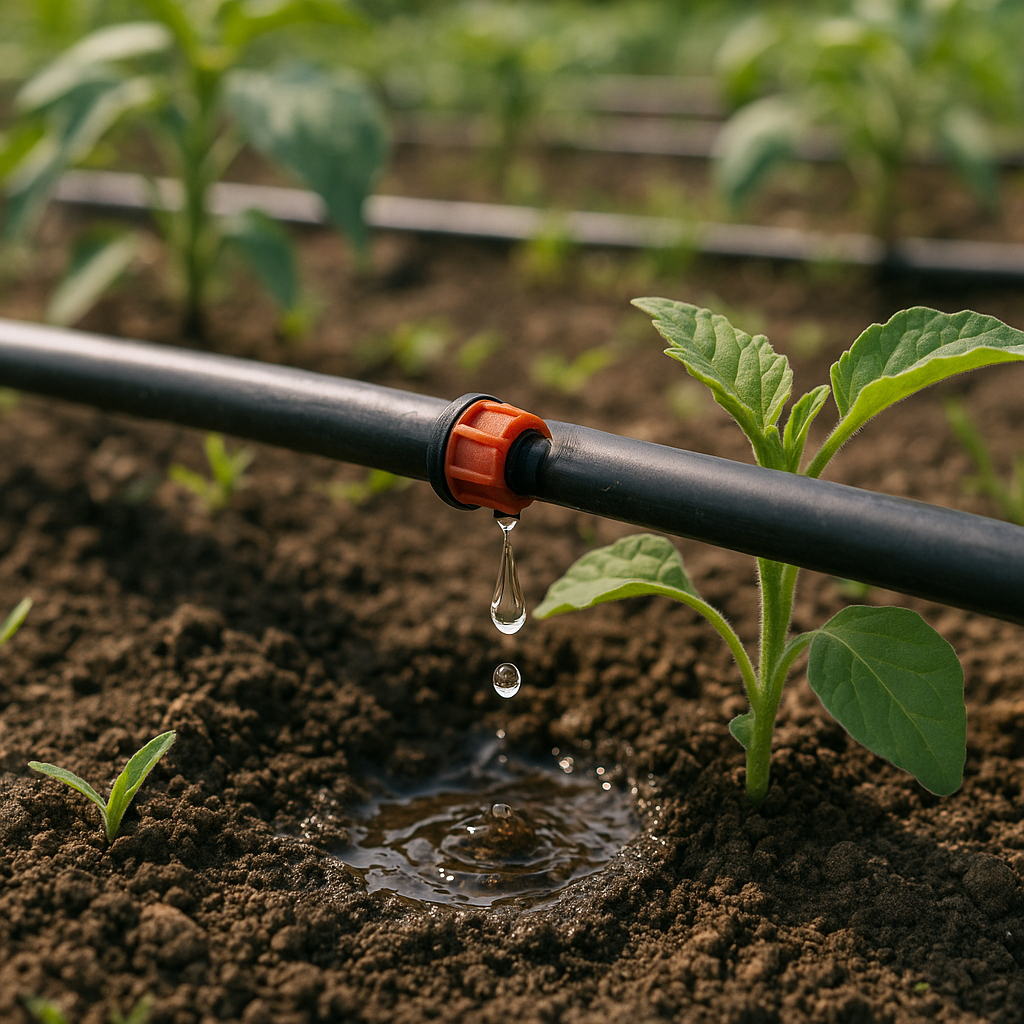
Drip irrigation has become one of the most effective and efficient methods of watering plants, especially in regions where water conservation is crucial. It allows for targeted watering, minimizing evaporation and runoff—to say nothing of the resultant savings on both labor and water costs. However, one question that frequently arises for both novice and experienced gardeners alike is: How long should you run drip irrigation? This article delves deep into this question, addressing various aspects of drip irrigation, including types, benefits, scheduling, and troubleshooting—ultimately helping you understand how to make the most of this superb watering technique.
Understanding Drip Irrigation
What Is Drip Irrigation?
Drip irrigation is a method of delivering water directly to the base of plants through a network of tubing, pipes, and emitters (also called drippers). This technique allows for slow, precise watering that penetrates the soil in such a way that plants can absorb moisture continuously rather than being inundated at once.
Advantages of Drip Irrigation
Before diving into how long to run drip irrigation, it’s essential to understand why you might want to use it:
-
Water Efficiency: Drip irrigation is known for minimizing water wastage. Water drips directly onto the soil or plant base, reducing evaporation and runoff.
-
Reduced Weeds: Watering targeted areas (where plants are planted rather than the entire garden) discourages weed growth in non-planted areas.
-
Plant Health: Continuous and adequate moisture leads to healthier root systems. It facilitates the growth of strong plants and reduces the chances of root rot and fungal diseases that are prevalent with overhead watering.
-
Labor Savings: Once installed and programmed, drip irrigation requires significantly less hands-on labor than traditional watering.
-
Ease of Automation: Drip irrigation systems can easily be automated using timers or soil moisture sensors.
Factors Affecting Run Time
1. Soil Type
One of the most influential factors in determining how long to run your drip irrigation system is the type of soil in which your plants are growing. Different soil types absorb water at different rates:
-
Sandy Soil: Sandy soils drain quickly, requiring shorter run times but potentially more frequent watering.
-
Clay Soil: On the other hand, clay soils absorb water slowly and may require longer run times to soak deeply.
-
Loamy Soil: A combination of sand, silt, and clay, loamy soils are generally easier to manage and can hold moisture well, making them ideal for a longer irrigation cycle.
2. Plant Requirements
Different plants have different water needs. For instance, a vegetable garden with shallow-rooted plants such as lettuce may require more frequent watering than deep-rooted crops like tomatoes. Understanding the specific water requirements of your plants is vital for optimal growth.
3. Weather Conditions
Hot weather, wind, and low humidity can lead to faster evaporation rates. Consequently, you may need to increase the run time of your irrigation system during extended periods of heat. Conversely, during cooler or rainy periods, you may need to reduce watering times.
4. System Design and Emitter Type
The design of your drip irrigation system and the type of emitters you’re using also affect how long you should run the system.
-
Emitter Flow Rate: Emitters come in various flow rates, usually ranging from 0.5 to 2 gallons per hour. The flow rate will impact how long you need to run the system. For instance, low-flow emitters will require prolonged run times for the same volume of water.
-
Number of Emitters: Each plant may be supplied by one or more emitters depending on its size and water requirements. Make sure to account for how many emitters are in use when planning your run time.
How Long to Run Drip Irrigation: A General Guideline
While it can be challenging to provide a one-size-fits-all answer, a general guideline is to run your drip irrigation system for 30 minutes to 2 hours. Here’s how you can fine-tune this duration:
Step-by-Step Process
-
Perform a Soil Test:
- Dig down about 6 inches in your garden bed.
- Observe how quickly the soil absorbs water. If it’s a sandy soil, you might find that a shorter duration is effective. For clay soils, aim for a longer run time.
-
Check Plant Watering Needs:
- Research the specific water needs for the plants you are growing. High water-needy plants would require a longer run time than drought-tolerant plants.
-
Monitor Weather Conditions:
- If temperatures are rising or it’s windy, consider increasing the run time. Conversely, if rain is on the way, you can decrease it.
-
Calculate the Emitter Rate:
- If you’re using a drip emitters rated at 1 gallon per hour and have several plants on the same setup, calculate the total water they would need.
- For example, if you have 5 plants, each requiring 0.5 gallons per week, you’ll need your system to run long enough to accumulate 2.5 gallons.
-
Adjust Based on Feedback:
- Observe your plants. If they appear wilted, your run time may need to be extended. If the soil becomes overly saturated, reduce it.
Common Questions About Drip Irrigation Timing
How Often Should I Run My Drip System?
The frequency with which you need to run your drip irrigation system can vary based on several factors already mentioned, mainly soil type, plant needs, and environmental conditions. As a general rule:
-
Vegetable Gardens: These may need daily watering during hot weather but can be reduced to every other day during cooler months.
-
Established Perennials: These generally require less frequent watering, ranging from 1 to 3 times per week.
-
New Plantings: Newly planted seeds or transplants often require daily watering for the first 2 weeks to help establish the root system.
Should I Water in the Morning or Evening?
The ideal time to water your plants is in the early morning. This timing allows foliage to dry out during the day, preventing mold and mildew from developing. Evening watering can be acceptable, but it may leave plants damp overnight, potentially making them susceptible to diseases.
Can I Use a Timer for My Drip Irrigation?
Absolutely! Timers save time and ensure consistency. You can program them for specific run times across several days, resulting in a hassle-free watering routine.
What are Common Mistakes in Drip Irrigation Timing?
-
Overwatering: Many beginners tend to overestimate how much water their plants require, leading to waterlogged soil and root rot.
-
Inconsistent Timing: Establishing a watering schedule is vital. Inconsistent watering can stress plants and lead to uneven growth.
-
Ignoring Seasonal Changes: Failing to adjust your watering schedule as seasons change often leads to poor plant health. You’ll want to monitor climate changes and act accordingly.
What Are Signs That My Plants are Over or Under Watered?
-
Under Watered: Leaves may curl or become crispy, the soil feels dry significantly below the surface, and growth may appear stunted.
-
Over Watered: Leaves may turn yellow, develop mold or fungus, and noticeable root rot may occur.
Can I Use Drip Irrigation for a Lawn?
While drip irrigation is primarily designed for gardens and landscaping plants, it can be used effectively for lawns in the form of commercial-grade systems. However, traditional sprinkler systems may be more effective for large grass areas requiring significant amounts of water.
Advanced Tips for Effective Drip Irrigation Management
1. Use Mulch
Applying mulch around your plants will help retain moisture in the soil, reducing the overall amount of time required for watering. Mulching also improves soil fertility, helps in weed control, and regulates soil temperature.
2. Employ Soil Moisture Sensors
Installing soil moisture sensors gives real-time feedback about soil conditions, allowing you to automate watering based on actual moisture content rather than a set schedule.
3. Perform Regular Maintenance
Regular checks on your drip system are essential to ensure all emitters are functioning efficiently. Blockages occur frequently, so a periodic look can save a range of problems down the line.
4. Consider Seasonal Adjustments
As the seasons shift, so too should your drip irrigation schedule. Warmer temperatures and dryer conditions typically require increased run times. Flexibility in your setup helps adapt to changing conditions.
5. Track Water Usage
Using a water meter can help monitor how much water is actually being used. Over time, this data can inform necessary adjustments to your watering times and help in budgeting resources efficiently.
Conclusion
Understanding how long to run drip irrigation ultimately hinges on a respectful observance of your specific garden conditions—soil type, weather, and plant requirements. By paying attention and evaluating these factors, you can create an efficient watering regimen that promotes healthy plant growth while conserving water.
With modern advancements in sensor technology and automation, maximizing the effectiveness of a drip irrigation system is easier than ever. Armed with the knowledge from this comprehensive guide, you’re now well-equipped to make the most out of your drip irrigation system—leading to flourishing plants and a thriving garden!
And as you develop your skills in managing this efficient watering method, remember: the best practices evolve, so be willing to continue learning and adjusting. Happy gardening!