
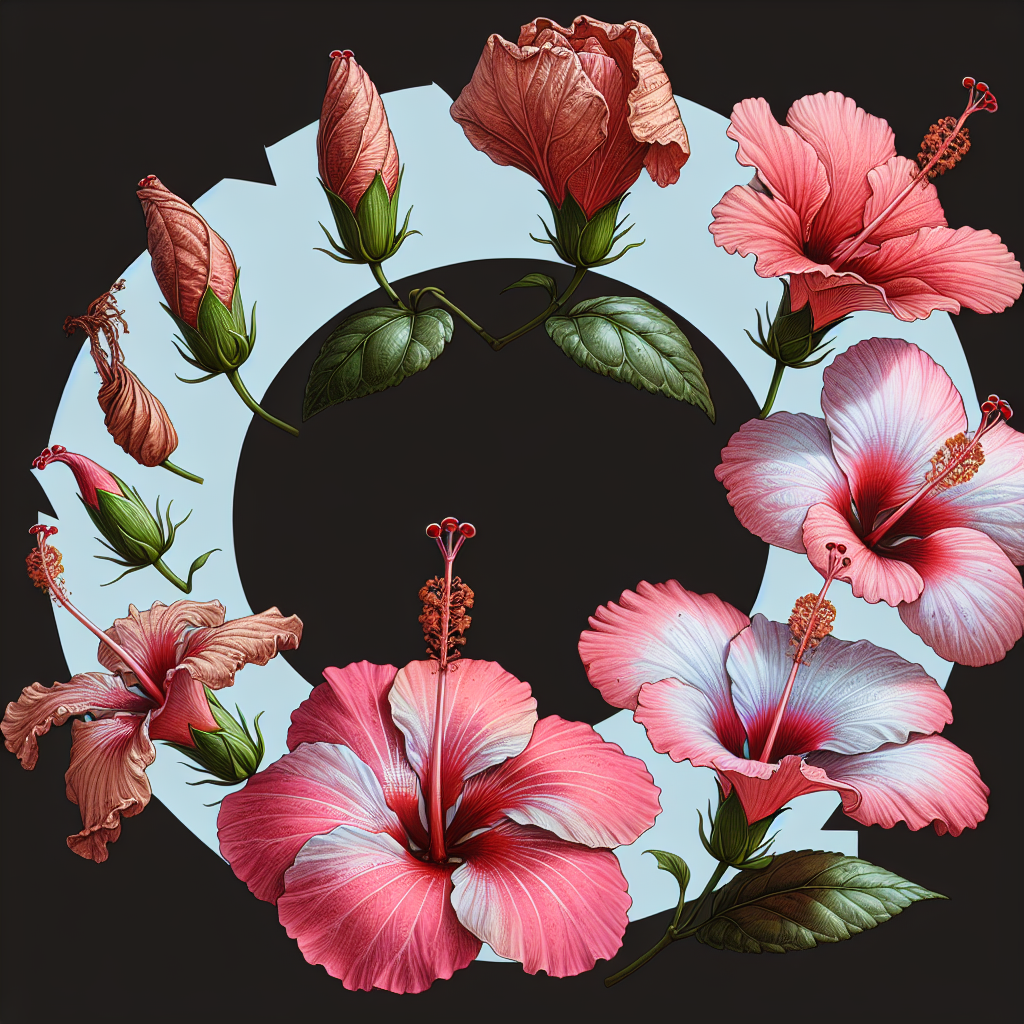
Hibiscus flowers are renowned for their radiant colors, large size, and tropical charm. These stunning blooms are not just a sight to behold; they also carry significant cultural and medicinal importance in many parts of the world. One of the most frequently asked questions regarding hibiscus is, “How long does the hibiscus bloom last?” This article delves deep into the blooming period of hibiscus, the various factors that influence it, and how to care for these beautiful plants to extend their flowering season.
What Is Hibiscus?
Hibiscus is a genus of flowering plants in the family Malvaceae, with approximately 200 species. They are native to warm and tropical regions worldwide and are often celebrated for their large, vibrant flowers that can range in color from red and pink to white and yellow. The two most common types cultivated for ornamental purposes are the tropical hibiscus (Hibiscus rosa-sinensis) and the hardy hibiscus (Hibiscus moscheutos).
Varieties of Hibiscus
-
Tropical Hibiscus: Known for its large and flamboyant blooms, tropical hibiscus thrives in warm climates and produces flowers that last only a day.
-
Hardy Hibiscus: These flowers tend to be more robust and can tolerate colder climates, blooming for a much longer period compared to their tropical counterparts.
-
Perennial Hibiscus: Also known as swamp hibiscus, these plants are hardy and can withstand winter conditions, producing blooms that last from mid-summer to early fall.
How Long Does Hibiscus Bloom Last?
Now to address the primary question: how long do hibiscus blooms last? The flowering duration can vary based on several factors, including the species, environmental conditions, and care. Let’s explore these factors one by one.
1. Species Comparison
-
Tropical Hibiscus: Typically, tropical hibiscus flowers bloom for just one day. However, thanks to their numerous buds, you’ll find continuous blooming through the growing season. In the right conditions, you can enjoy flowers for several months—from spring until the first frost.
-
Hardy Hibiscus: Hardy hibiscus blooms can last longer compared to tropical varieties. The blooms typically emerge in mid-summer and can last anywhere from six to eight weeks, depending on the species and environmental conditions.
2. Environmental Conditions
The blooming duration of hibiscus can also be affected by environmental factors:
-
Temperature: Hibiscus thrives in warm temperatures, ideally between 60°F and 90°F (15°C to 32°C). Cooler temperatures can stunt their growth and flowering potential.
-
Sunlight: Hibiscus plants require full sun for optimal blooming—about 6 to 8 hours of direct sunlight per day. Insufficient light can affect bud formation, leading to fewer blooms.
-
Watering: Consistent watering is vital. Hibiscus prefers moist but well-draining soil. Too much or too little water can lead to stunted growth or bloomed dies prematurely.
-
Soil Quality: Fertile, well-drained soil enhances blooming duration. Enriching the soil with organic matter can provide the necessary nutrients for healthy growth.
3. Care Techniques
Hibiscus, like any other plant, requires proper care for sustaining bloom duration:
-
Fertilization: Regular feeding with a balanced fertilizer during the growing season promotes flowering. Over-fertilizing can lead to lush foliage with fewer flowers.
-
Pruning: Pruning plays a crucial role in encouraging bushier growth and more blooms. Trim back old or dead branches in early spring to encourage new growth and blooming.
-
Pest Management: Hibiscus plants are susceptible to pests such as aphids, whiteflies, and spider mites. Regular inspections and appropriate treatments can prevent infestations that could diminish blooming.
Frequently Asked Questions About Hibiscus Blooms
1. What Time of Year Do Hibiscus Flowers Bloom?
The blooming period for hibiscus varies depending on the species:
-
Tropical hibiscus typically starts blooming in late spring, often continuing until fall.
-
Hardy hibiscus usually begins blooming in mid-summer and can extend into early fall.
2. Can I Extend the Blooming Season?
Yes, several practices can help extend the blooming season of your hibiscus:
-
Provide Optimal Light: Ensuring your hibiscus receives adequate sunlight can boost flowering.
-
Regular Pruning: This can encourage new growth and more blooms throughout the season.
-
Fertilization: Regular feeding with the right nutrients enhances overall plant health and promotes extended blooming.
3. What Are Common Issues Affecting Hibiscus Blooms?
Common problems that can prevent hibiscus from blooming or shorten bloom duration include:
-
Insufficient Light: Not receiving enough sunlight can reduce flowering.
-
Water Stress: Both overwatering and underwatering can affect bloom longevity.
-
Pests and Diseases: Infestations or root rot can inhibit bloom production. Early detection and treatment are crucial.
4. Is Hibiscus Blooming A Seasonal Event?
Yes, hibiscus is typically a seasonal bloomer. However, indoor tropical hibiscus may bloom throughout the year under ideal conditions, such as consistent temperatures and ample sunlight.
5. What Colors Do Hibiscus Flowers Come In?
Hibiscus flowers are available in a wide array of colors, including:
- Red
- Pink
- White
- Yellow
- Orange
Some varieties even have multi-colored or gradient petals, which further enhance their appeal.
6. How Do I Care for My Hibiscus During Winter?
For regions with harsh winters, hibiscus care is crucial:
-
Tropical Hibiscus: Move them indoors to a heated space where they can receive adequate light.
-
Hardy Hibiscus: In colder climates, they can usually survive outdoor conditions but should be mulched to protect their roots.
7. Can Hibiscus Be Grown Indoors?
Absolutely! Tropical hibiscus thrives as an indoor plant, especially in regions with colder winters. Ensure they receive ample sunlight (a south-facing window is ideal) and maintain a warm, humid environment.
8. Is Hibiscus Toxic to Pets?
No, hibiscus is generally considered non-toxic to pets. However, some pets may experience mild stomach upset if they ingest large amounts, so it’s always wise to monitor their behavior.
Conclusion: The Lasting Charm of Hibiscus Blooms
Hibiscus blooms, with their captivating beauty and extensive range of colors, provide a vibrant touch to gardens, patios, and indoor spaces. Understanding how long hibiscus bloom lasts can enhance the gardening experience, allowing plant lovers to extend their flowering season through proper care and maintenance.
Summary Points:
- Tropical hibiscus blooms last approximately one day but can bloom from spring to fall due to continuous bud formation.
- Hardy hibiscus can bloom for six to eight weeks in mid-summer to early fall.
- Optimal conditions—temperature, sunlight, and proper watering—are essential for maximizing bloom duration.
- Regular care, including fertilization and pruning, can enhance plant health and prolong blooming.
Whether you’re an experienced gardener or a novice enthusiast, growing hibiscus promises to bring joy and color to your life. These flowers not only brighten the landscape but also serve as a reminder of the beauty that nature has to offer. Embrace the art of hibiscus cultivation, and enjoy the vibrant blooms all season long!