
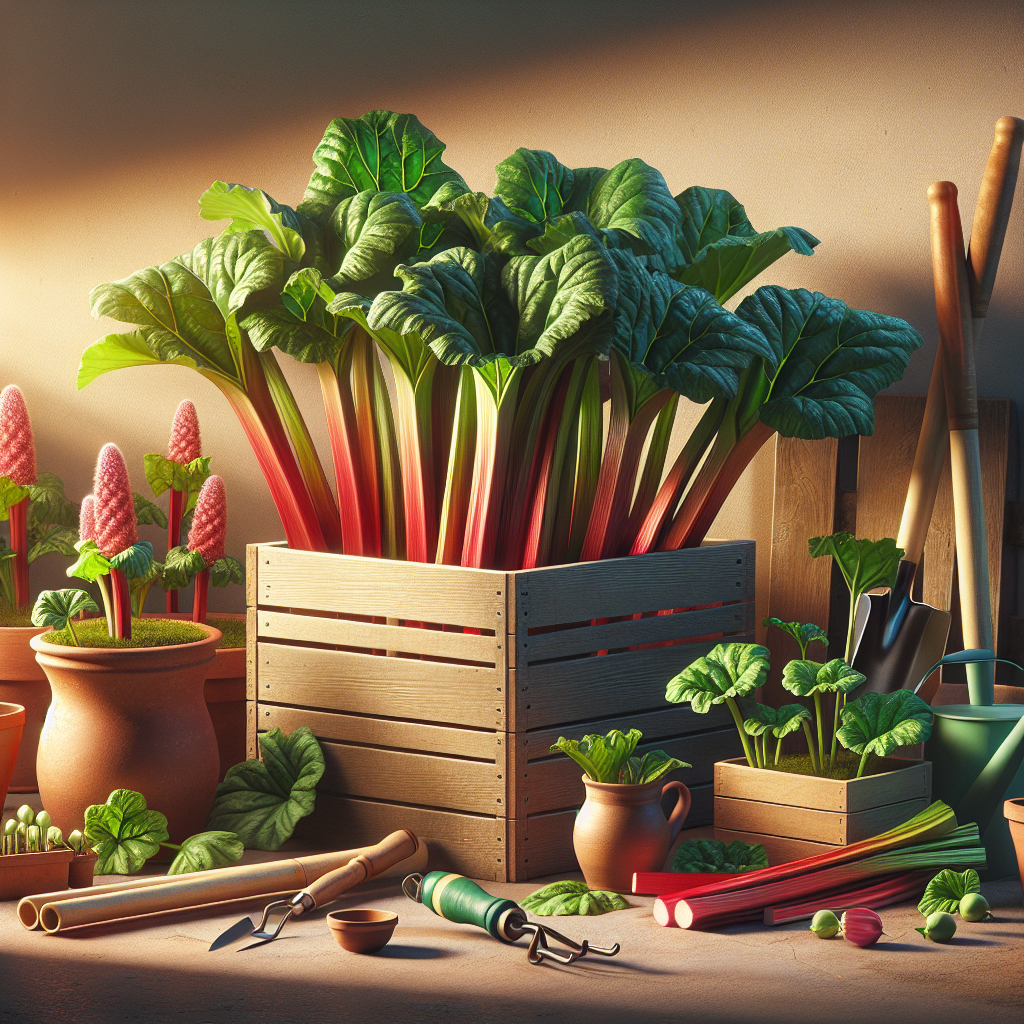
Rhubarb, with its tart flavor and stunning red stalks, has been a beloved plant in gardens and kitchens for centuries. Known for its versatility and nutritional benefits, this perennial vegetable is often mistaken for fruit, thanks to its culinary uses in pies, sauces, and jams. If you’re looking to spice up your gardening adventures while enjoying homegrown rhubarb, container gardening is an excellent way to bring this wonderful plant into your life. In this comprehensive guide, we’ll explore rhubarb container gardening in-depth, answering common questions, offering tips for success, and sharing the joy of growing this unique plant.
Table of Contents
- What is Rhubarb?
- Why Grow Rhubarb in Containers?
- Choosing the Right Container
- Rhubarb Varieties for Containers
- Ideal Growing Conditions for Rhubarb
- Planting Rhubarb in Containers
- Watering and Fertilizing Rhubarb
- Pest and Disease Management
- Harvesting and Using Rhubarb
- Common FAQs about Rhubarb Container Gardening
- Conclusion: The Rewards of Growing Rhubarb
1. What is Rhubarb?
Rhubarb (Rheum rhabarbarum) is a perennial vegetable known for its lush, large leaves and edible stalks. The stalks can range in color from deep red to green, with red often being associated with sweetness, though they can be quite tart regardless of color. Rhubarb is primarily grown for its stalks, which are used in a variety of dishes, most famously in pies. However, the leaves are toxic to humans and should always be removed and discarded.
Rhubarb is hardy and can thrive in various climates, making it a popular choice for home gardeners. Its rich historical significance, particularly in traditional British cooking, adds an interesting cultural dimension to its allure.
2. Why Grow Rhubarb in Containers?
Container gardening offers numerous advantages, especially for growing rhubarb:
-
Space Efficiency: Perfect for small spaces, patios, or balconies, containers allow urban gardeners or those with limited yard space to enjoy the pleasures of growing their food.
-
Mobility: Container gardening allows you to reposition your plants as needed, whether for sunlight, shade, or aesthetic appeal.
-
Controlled Environment: Growing in pots can help mitigate soil-borne diseases and pests, as well as allow for better control over soil quality.
-
Aesthetic Appeal: Containers come in various shapes, materials, and colors, making it easy to create a visually appealing garden space.
-
Longer Growing Season: Containers can heat up quicker in spring, giving you an early start on your growing season.
3. Choosing the Right Container
When selecting containers for rhubarb gardening, consider the following:
-
Size: Rhubarb has deep roots and needs room to grow. Choose a container that is at least 15-20 gallons in size, with a depth of at least 18 inches to accommodate its root system.
-
Material: Options range from plastic to ceramic to wood. Each material has its advantages. For example, ceramic retains moisture well but can be heavy, while plastic is lightweight but may not insulate roots as effectively.
-
Drainage: Ensure that your container has adequate drainage holes. Rhubarb does not like “wet feet,” and poor drainage can lead to root rot.
-
Mobility Features: Consider pots with wheels or lightweight materials for easy transport.
4. Rhubarb Varieties for Containers
While there are many varieties of rhubarb, some are better suited for container gardening:
-
‘Victoria’: A classic variety known for its bright red stalks. It’s robust and can handle a range of conditions, making it a reliable choice for beginners.
-
‘Crimson’: Has striking crimson stalks and is often sweeter. It’s compact enough for containers without sacrificing flavor.
-
‘Timperley Early’: This variety is particularly noted for its early harvest. It’s well-suited to container gardening and produces tender stalks.
-
‘Cherry Red’: As the name suggests, this variety has rich red coloration and a sweet flavor, perfect for making desserts.
Choose a variety that appeals to your tastes and culinary plans.
5. Ideal Growing Conditions for Rhubarb
Rhubarb’s growing conditions can significantly impact its health and yield. Here’s what to consider:
-
Light Requirements: Rhubarb thrives in full sun to partial shade. Aim for at least 6-8 hours of sunlight daily for optimal growth.
-
Temperature: Rhubarb prefers cool to moderate temperatures (60°F to 75°F or 15°C to 24°C) and may struggle in extreme heat.
-
Soil: Use a high-quality potting mix enriched with organic matter. A slightly acidic to neutral pH (6.0-7.0) is ideal. Consider a blend of peat, compost, and perlite or vermiculite for aeration.
-
Humidity: Rhubarb appreciates a humid environment, so keep an eye on moisture levels, especially in dryer climates.
6. Planting Rhubarb in Containers
Step-by-Step Guide:
-
Prepare the Container: Fill your chosen container with a high-quality potting mix, leaving a few inches of space at the top.
-
Space the Rhubarb: If planting multiple rhubarb crowns, ensure they are spaced at least 18 inches apart.
-
Planting Depth: Place the crown of the rhubarb at soil level. Excess burying can lead to rot.
-
Water Immediately: After planting, thoroughly water the rhubarb to settle the soil and provide moisture to the roots.
-
Mulch: Applying a layer of mulch can help retain moisture and keep the roots cool, especially during warmer months.
-
Label Your Plants: If you’re growing multiple varieties, consider using labels to keep track of them.
7. Watering and Fertilizing Rhubarb
Maintaining proper moisture and nutrients is key to growing healthy rhubarb in containers.
-
Watering: Rhubarb needs consistently moist soil, particularly during the growing season. Monitor the top inch of soil; water when it feels dry, taking care not to overwater, as this can lead to root rot.
-
Fertilizing: Use a balanced fertilizer (10-10-10) or an organic option to fortify your plants. Fertilize in early spring and mid-season, following the package instructions. Organic options like compost or well-rotted manure can also be beneficial.
8. Pest and Disease Management
Container gardening helps minimize the risk of some pests and diseases, but vigilance is still necessary:
-
Common Pests: Watch for aphids, slugs, and snails. Use organic pest control options such as neem oil or insecticidal soap and hand-pick larger pests.
-
Diseases: Fungal diseases like crown rot can occur from overwatering. Ensure good drainage and air circulation to prevent diseases.
9. Harvesting and Using Rhubarb
When to Harvest:
-
Timing: Wait until your rhubarb stalks are at least 12 inches long before harvesting, which typically occurs in spring and early summer. Avoid harvesting in the first year; allow the plant to establish itself.
-
Method: Gently twist and pull the stalks from their base to harvest. Always leave some stalks on the plant to encourage continued growth.
Culinary Uses:
Rhubarb can be used in various dishes, including:
-
Desserts: Classic rhubarb pie, crumble, or compote.
-
Savory Dishes: Incorporate it into sauces, glazes, or as a tangy addition to salads.
-
Beverages: Make refreshing drinks like rhubarb lemonade or cocktails.
Experimenting with rhubarb can lead to exciting culinary creations that showcase its unique flavor.
10. Common FAQs about Rhubarb Container Gardening
Q1: Can I grow rhubarb in a small container?
A1: While it’s possible to grow rhubarb in a small container, it’s ideal to use at least a 15-gallon pot. A larger container ensures proper root development and nutrient uptake.
Q2: How long will rhubarb plants live in containers?
A2: With proper care, rhubarb can thrive in containers for several years, although they may require replanting every 4-5 years as they outgrow their pots.
Q3: Is rhubarb a perennial or annual plant?
A3: Rhubarb is a perennial vegetable, meaning it will return year after year if cared for properly.
Q4: Can I grow rhubarb indoors?
A4: Rhubarb typically prefers outdoor environments, but with adequate natural light, you might successfully grow it indoors. Ensure it receives sufficient sunlight and maintain proper temperature conditions.
Q5: Why aren’t my rhubarb plants growing?
A5: Several factors could be at play. Check for appropriate watering, light exposure, and proper fertilization. Factors like temperature and pests can also affect growth.
11. Conclusion: The Rewards of Growing Rhubarb
Rhubarb container gardening is a rewarding venture filled with flavor and life. From its vibrant stalks to its versatility in the kitchen, growing rhubarb offers a unique gardening experience, especially for those with limited space or who enjoy the portability of container gardening. By understanding the needs of your rhubarb plants, choosing the right containers, and providing adequate care, you can relish the rewards of your own homegrown produce.
So, whether you live in an urban apartment or have a cozy backyard, consider adding rhubarb to your container garden. Not only will your taste buds thank you, but you’ll also have the satisfaction of nurturing a beautiful, productive plant that embodies the spirit of home gardening.