
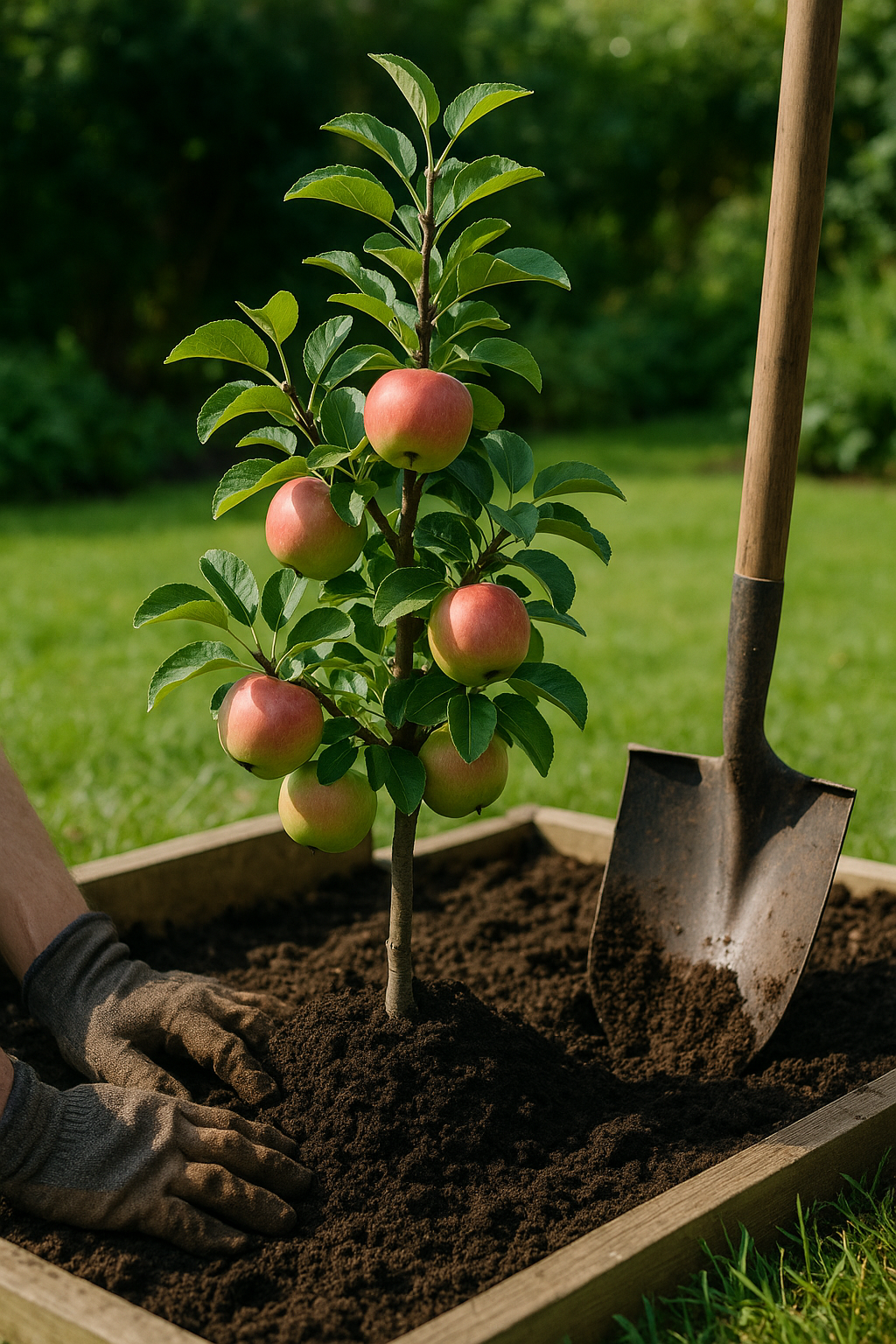
When we think of apple trees, we often envision towering giants laden with fruit, requiring spacious yards and a considerable amount of care to manage. However, the introduction of dwarf apple trees has transformed the way gardening enthusiasts can approach fruit cultivation, even in smaller spaces. These compact trees not only yield delicious fruit but also bring a myriad of advantages, making them an ideal choice for gardeners of all experience levels. In this comprehensive article, we will explore the ins and outs of dwarf apple trees, their benefits, cultivation methods, maintenance tips, and answers to common questions that aspiring cultivators might have.
What is a Dwarf Apple Tree?
A dwarf apple tree is a genetically smaller version of a traditional apple tree, often grown on rootstocks that limit their height. Generally, they grow to about 6 to 10 feet tall, making them an excellent option for smaller gardens, patios, and even container gardening. While they have a compact stature, dwarf apple trees are known to produce fruit just as delicious and prolific as their full-sized counterparts.
The Advantages of Growing Dwarf Apple Trees
-
Space Efficiency: Dwarf apple trees occupy considerably less space than regular trees. This makes them perfect for urban gardens, small-backyards, or even rooftop gardens.
-
Accessibility: The shorter height of dwarf apple trees means that harvesting fruit is much easier and requires less climbing or risking injury using ladders.
-
Early Fruit Production: Dwarf apple trees often produce fruit within the first few years of planting, while standard trees can take five to seven years or more to bear fruit.
-
Aesthetic Appeal: With their lush foliage and blossoming flowers, dwarf apple trees can add beauty to any garden. Their manageable size allows them to serve as focal points without overwhelming the space.
-
Cultivation Flexibility: Dwarf apple trees can adapt to various growing conditions, allowing gardeners to select the best varieties for their climate, soil, and space.
-
Container Gardening: These trees can be grown in pots, making them perfect for patios, balconies, or areas where traditional planting isn’t feasible.
-
Easier Maintenance: With a manageable height and size, tasks like pruning, watering, and pest management become simpler.
Choosing the Right Dwarf Apple Tree Variety
When considering which dwarf apple tree to plant, it’s essential to select a variety that suits your gardening goals, culinary preferences, and local climate. Popular dwarf apple tree varieties include:
-
Honeycrisp: Known for its crisp texture and honey-sweet flavor, this apple is a favorite among apple lovers.
-
Fuji: Fuji apples have a firm texture and sweet flavor, making them perfect for fresh eating.
-
Gala: These apples have a distinct orangey-red color and a sweet, mild flavor. They are ideal for snacking or salads.
-
Granny Smith: Famous for their tartness, these green apples are ideal for baking and cooking.
-
Jonathan: These sweet and tangy apples are perfect for making cider and desserts.
Factors to Consider When Planting Dwarf Apple Trees
To ensure that your dwarf apple tree thrives, pay attention to the following conditions:
-
Climate: Different tree varieties thrive in varying climates. Most apple trees require a certain number of chilling hours (temperatures between 32°F and 45°F) to break dormancy and produce fruit. Research which varieties are best suited for your USDA hardiness zone.
-
Sunlight: Dwarf apple trees require full sun to flourish—aim for at least six to eight hours of sunlight daily.
-
Soil Type: Well-drained, loamy soil rich in organic matter is ideal for dwarf apple trees. Conduct a soil test to ensure that your garden soil has the necessary nutrients and pH levels (preferably between 6.0 and 7.0).
-
Watering: Consistent moisture is crucial, especially during the tree’s early years. However, avoid waterlogging; excessive moisture can lead to root rot.
Planting Your Dwarf Apple Tree
-
Selecting the Right Location: Find a sunny spot in your garden that is free from strong winds and has good drainage.
-
Preparing the Soil: Clear the area of weeds and debris. Incorporate compost or well-rotted manure into the soil to improve fertility.
-
Digging the Hole: Dig a hole approximately twice the width and as deep as the root ball of your dwarf apple tree. This allows roots to spread easily.
-
Planting: Place the tree in the hole, ensuring that the graft union (elevation where the rootstock meets the grafted apple variety) is level with the soil surface. Backfill with soil, removing air pockets as you go.
-
Watering: Water your newly planted tree deeply, encouraging roots to go deep into the soil.
-
Mulching: Add a layer of mulch around the base of the tree to retain moisture, suppress weeds, and regulate soil temperature.
Cultivation and Maintenance: Caring for Your Dwarf Apple Tree
Once your dwarf apple tree is planted, proper care is crucial in ensuring its health and productivity.
Watering and Fertilization
-
Watering: Water your tree regularly, ensuring the soil remains consistently moist but not soggy. In dry conditions, you may need to water once or twice a week.
-
Fertilization: Begin fertilizing with a balanced fertilizer in early spring, as the tree breaks dormancy. Follow up with applications of organic matter as necessary. It’s advisable to check the nutrient composition of your soil regularly.
Pruning
Pruning is critical for maintaining the shape and health of your dwarf apple tree. Here’s a basic guide:
-
When to Prune: The best time to prune is during the late winter or early spring when the tree is still dormant.
-
What to Cut: Remove any dead, damaged, or crossing branches. Encourage an open-center structure, which allows light penetration and good air circulation.
-
How Much to Prune: Be cautious not to remove more than 25% of the tree’s canopy in a single year.
Pest and Disease Management
Dwarf apple trees are susceptible to a few pests and diseases. Here are the common culprits:
-
Apple Scab: A fungal disease causing dark spots on leaves. It’s best managed by practicing good sanitation and planting disease-resistant varieties.
-
Codling Moth: The larvae of this moth can bore into apples. Use pheromone traps to monitor and manage their populations.
-
Aphids: Small, soft-bodied insects that can cause damage to the tree. Ladybugs can be introduced as natural predators to help control their numbers.
-
Preventive Measures: Maintaining good airflow around the tree, practicing crop rotation, and using organic insecticides when necessary are effective ways to keep pests and diseases in check.
Harvesting the Fruit
One of the most rewarding parts of growing dwarf apple trees is harvesting the fruit you’ve nurtured. Here are some tips for harvesting:
-
When to Harvest: Apples are typically ready for picking when they feel firm, have rich color, and come off the tree with a gentle twist. Each apple variety has different maturity timelines, so research your specific dwarf apple type.
-
How to Harvest: Use a gentle twisting motion to avoid bruising the fruit. Consider using a picking pole for hard-to-reach fruit if necessary.
Common Questions About Dwarf Apple Trees
1. Can I grow dwarf apple trees in pots?
Absolutely! Dwarf apple trees are an excellent choice for container gardening. Just make sure you choose a sufficiently large pot (at least 15 gallons) and provide proper drainage. The tree will need regular watering and fertilization.
2. Are dwarf apple trees self-pollinating?
Many dwarf apple varieties are not self-pollinating. It’s recommended to plant at least two different apple varieties close to each other to ensure cross-pollination, leading to larger yields.
3. How long will it take for my dwarf apple tree to bear fruit?
Dwarf apple trees can start bearing fruit as early as two to three years after planting, depending on the variety and the growing conditions.
4. What is the lifespan of a dwarf apple tree?
With proper care, a dwarf apple tree can live anywhere from 15 to 30 years. However, their fruit production might decline after around 15-20 years.
5. Can I plant a dwarf apple tree next to other plants?
While they can be planted alongside other plants, ensure that they’re not competing for nutrients and sunlight. It’s often best to provide space around the tree to promote healthy growth.
6. Do dwarf apple trees require pruning?
Yes, regular pruning is essential for maintaining the health and shape of the tree, as well as encouraging fruit production. Aim to prune annually.
The Joy of Growing Dwarf Apple Trees
In conclusion, dwarf apple trees offer an exceptional opportunity for gardeners, especially those with limited space or who wish to grow fruit in a manageable way. Their compact size, ease of maintenance, and the delightful fruit they produce make them a worthy addition to any garden bed. Whether you’re an urban gardener or a rural homesteader, cultivating your own dwarf apple tree can provide not just fruit but also a sense of accomplishment and connection to nature.
By understanding the requirements and nuances of dwarf apple tree cultivation, you can embark on a fruitful journey that will reward you with delicious apples year after year. As you care for your tree, you will create a beautiful and productive addition to your garden that will bring joy to you and your family.