
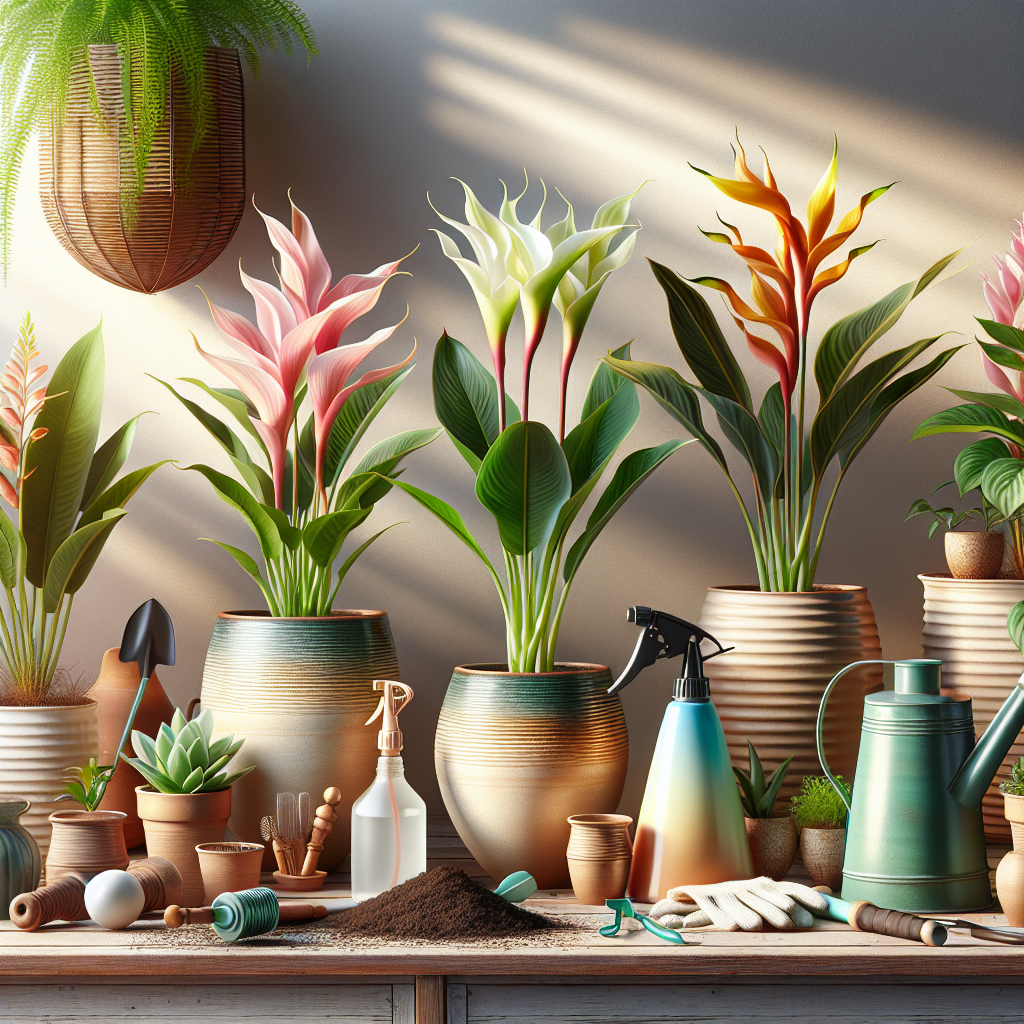
The Exotic Angel Plant, with its intricate leaves and unique designs, has become a favorite among plant enthusiasts. This enchanting plant not only adds a splash of beauty to your indoor space but also promotes a soothing ambiance. Whether you’re a seasoned plant parent or a beginner, understanding how to care for your Exotic Angel Plant can enhance your indoor gardening experience. This article aims to provide an in-depth guide to the care and maintenance of your Exotic Angel Plant—while answering common questions—ensuring your green companion thrives.
Table of Contents
- What is an Exotic Angel Plant?
- Ideal Growing Conditions
- 2.1 Light Requirements
- 2.2 Temperature and Humidity
- 2.3 Soil Composition
- Watering: How and When?
- Fertilizing Your Exotic Angel Plant
- Pruning and Repotting
- Common Pests and Diseases
- Propagation Techniques
- Frequently Asked Questions (FAQs)
- Conclusion
1. What is an Exotic Angel Plant?
The Exotic Angel Plant is a trademark name given to a range of tropical foliage plants that belong to various genera, such as Syngonium, Dracaena, Peperomia, and Pothos. These plants are known for their striking foliage, which can vary in color, shape, and size. They are often sold as houseplants due to their resilience and aesthetic appeal. Each species under the Exotic Angel label has its unique requirements, making them a fascinating subject for indoor gardening enthusiasts.
2. Ideal Growing Conditions
2.1 Light Requirements
Light is one of the most crucial factors in keeping an Exotic Angel Plant healthy. Here’s a closer look at light requirements:
- Optimal Light Conditions: Exotic Angel Plants prefer bright, indirect light. Direct sunlight can scorch their leaves, leading to discoloration and damage.
- Signs of Insufficient Light: If you notice your plant’s leaves becoming pale or stretching towards the light source, it may need more light.
- Best Locations: Near a window with filtered light or a few feet away from a south-facing window are ideal spots.
2.2 Temperature and Humidity
Exotic Angel Plants thrive in warm, humid environments. Here’s what you need to know:
- Temperature: Ideally, they prefer temperatures ranging from 60°F to 75°F (15°C to 24°C). Avoid exposing them to temperatures below 50°F (10°C).
- Humidity Levels: These plants enjoy humidity levels around 40% to 60%. Regular misting, using a humidity tray, or placing a humidifier nearby can help achieve this.
2.3 Soil Composition
The right soil mix is crucial for your Exotic Angel Plant’s health:
- Well-Draining Soil: A mix made from potting soil, perlite, and orchid bark is ideal for proper drainage.
- pH Level: Aim for a slightly acidic to neutral pH (around 6.0 to 7.0) for optimal nutrient uptake.
3. Watering: How and When?
One of the most critical aspects of Exotic Angel Plant care is watering:
- General Rule: Water when the top inch of soil feels dry. Depending on factors such as humidity and temperature, this could mean watering every week or more frequently.
- Signs of Overwatering: Yellowing leaves and a mushy stem are indicators of overwatering, which can lead to root rot.
- Signs of Underwatering: Leaves curling or drying out may indicate your plant is thirsty.
4. Fertilizing Your Exotic Angel Plant
To keep your Exotic Angel Plant flourishing, regular fertilization is essential:
- Frequency: During the growing season (spring and summer), fertilize every 4-6 weeks.
- Fertilizer Type: Use a balanced, water-soluble fertilizer diluted to half strength.
- Signs of Nutrient Deficiency: Pale leaves, stunted growth, and leaf drop can indicate a lack of nutrients.
5. Pruning and Repotting
Regular pruning and repotting help maintain your plant’s health:
- Pruning: Trim back leggy growth in spring for a fuller appearance. Use clean, sharp scissors to prevent disease.
- Repotting: Every 1-2 years, when the roots fill the pot or emerge from drainage holes, transfer your plant to a larger pot. Spring is the ideal time for repotting.
6. Common Pests and Diseases
Being vigilant about pests and diseases is key to caring for your Exotic Angel Plant:
- Common Pests: Watch for spider mites, mealybugs, aphids, and whiteflies. Affected leaves may appear discolored or sticky.
- Control Methods: Use insecticidal soap or neem oil to treat infestations. Regularly check your plant to catch any issues early.
- Disease Prevention: Ensure proper air circulation and avoid moisture accumulation to prevent fungal diseases.
7. Propagation Techniques
Propagation is an exciting way to expand your collection:
- Stem Cuttings: Take a healthy stem cutting (about 4-6 inches long) with a few leaves. Place it in water until roots develop, which can take a few weeks.
- Soil Propagation: You can also plant the cutting directly in moist soil, keeping it humid until it establishes roots.
8. Frequently Asked Questions (FAQs)
Q: How often should I fertilize my Exotic Angel Plant?
A: Fertilize every 4-6 weeks during the growing season (spring and summer) with a balanced, diluted fertilizer.
Q: Can I keep my Exotic Angel Plant in low light?
A: While they can survive in lower light conditions, prolonged exposure may lead to leggy growth and decreased vitality. Ideally, provide indirect bright light.
Q: What should I do if my Exotic Angel Plant is leggy?
A: Prune back leggy growth in spring to encourage fuller, bushier growth. Ensure you’re providing adequate light for your plant.
Q: How do I know if I’m watering too much or too little?
A: Check the top inch of soil. If it feels dry, it’s time to water. Yellowing leaves can indicate overwatering, while curling leaves may indicate underwatering.
Q: What pests should I watch out for?
A: Common pests include spider mites, aphids, mealybugs, and whiteflies. Regular inspections and using insecticidal soap can help manage these issues.
Q: Is it safe to have Exotic Angel Plants around pets?
A: While many Exotic Angel Plants are non-toxic, some species can be mildly toxic if ingested. Always consult a vet if you’re unsure or have concerns about your pets’ safety.
9. Conclusion
The Exotic Angel Plant is a captivating addition to any indoor setting, bringing exotic beauty and personality to your home. With proper care encompassing light, temperature, humidity, watering, fertilizing, and more, you can cultivate a lush, thriving plant that enhances your space. Whether you’re looking to propagate new plants or simply enjoy the lush leaves of your Exotic Angel Plant, this comprehensive guide serves as your roadmap to success.
With this knowledge, you’re not just growing a plant; you’re nurturing a living piece of art that can bring joy, beauty, and life to your surroundings. Happy planting!