
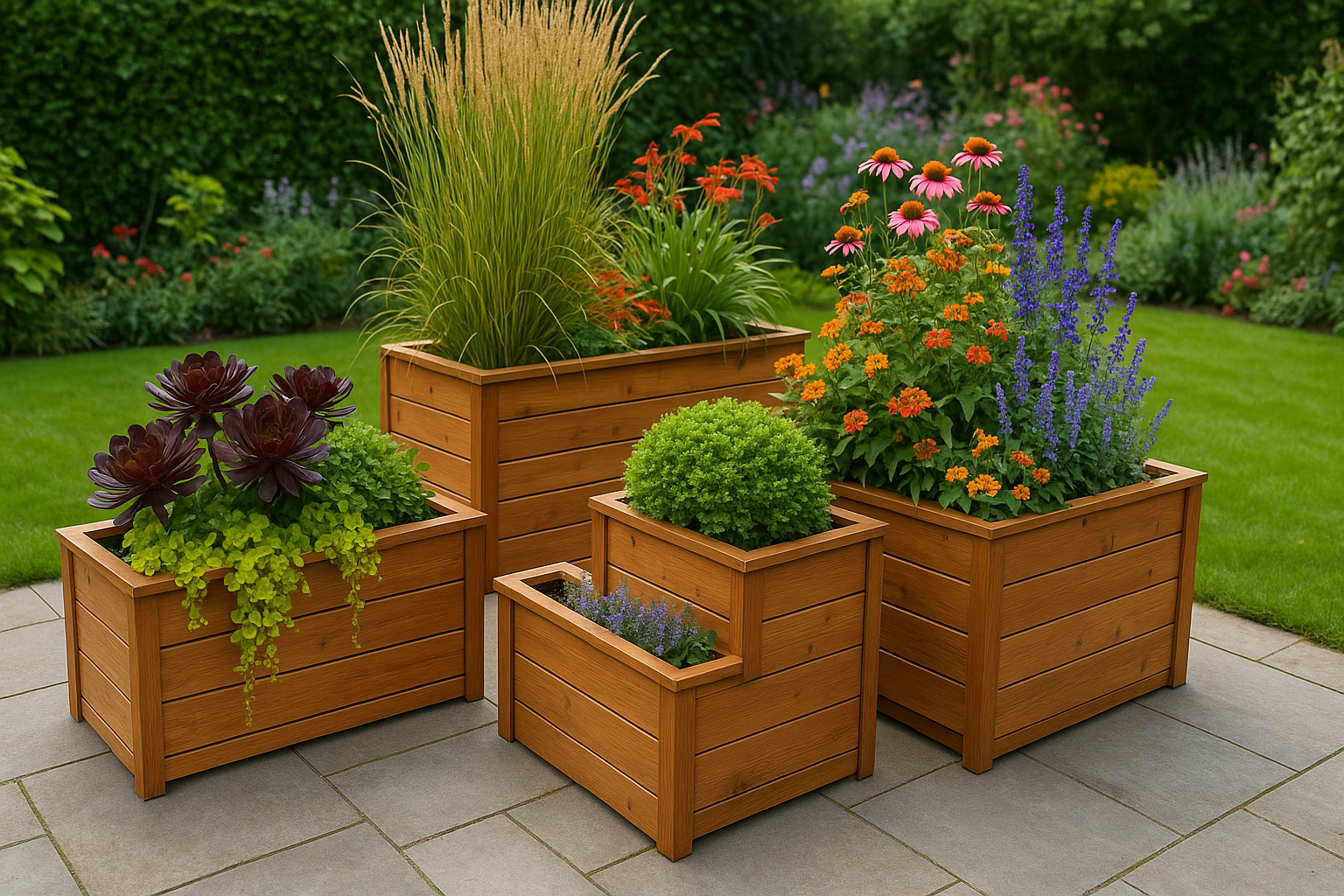
When it comes to enhancing our outdoor and indoor spaces, few items offer as much versatility and potential for style as rectangle planters. These ingenious creations serve not only as homes for our beloved plants but also as decorative elements that can elevate the aesthetic appeal of any environment.
In this comprehensive article, we’ll explore rectangle planter ideas that can cater to various styles, spaces, and plant types. We’ll tackle common questions, provide inspiration for DIY projects, and offer practical tips on how to choose or create the perfect rectangle planter.
What Are Rectangle Planters?
Rectangle planters are elongated containers used for planting a variety of flowers, shrubs, vegetables, and other plants. They come in various materials, sizes, and designs, allowing them to fit seamlessly into diverse environments, from cozy balconies to expansive gardens.
Why Choose Rectangle Planters?
-
Space Efficiency: Their elongated shape makes rectangle planters ideal for narrow spaces like balconies, pathways, or the sides of houses.
-
Customization: They can be crafted from numerous materials such as wood, metal, plastic, or stone, allowing for endless customization options.
-
Aesthetic Appeal: Rectangle planters create clean lines and modern designs that can enhance both indoor and outdoor aesthetics.
-
Versatile Planting Options: They can host a variety of plants, from herbs and flowers to small trees.
-
Ease of Maintenance: Many rectangle planters feature drainage holes, ensuring proper water management and allowing for healthier plants.
How to Choose the Right Rectangle Planter
1. Size Matters
Question: How do I determine the right size for my rectangle planter?
Answer: The size of your rectangle planter should be determined by the space available and the type of plants you intend to grow. If you have a small balcony, opt for a narrower planter that will not overwhelm the space. Larger gardens can accommodate bigger planters that can hold multiple plants or small trees.
2. Material Selection
Question: What materials are best for rectangle planters, and how do they affect the plants?
Answer: Common materials include:
-
Wood: A classic choice, wood planters provide good insulation. However, they need treatment to withstand moisture.
-
Metal: Galvanized steel or aluminum offers a modern look but can heat up quickly in the sun, which might affect root health.
-
Plastic: Lightweight and often inexpensive, plastic planters come in various colors and styles and retain moisture well.
-
Ceramic or Stone: Provide a more natural look and balance aesthetics with durability, though they can be heavy.
Choose a material that complements your existing decor while also being functional.
3. Design Style
Question: Can rectangle planters fit into different design aesthetics?
Answer: Absolutely! Rectangle planters come in various styles, including rustic, modern, and minimalist. A weathered wooden planter can suit an earthy cottage theme, while a sleek metal planter can enhance a contemporary urban look. Choose a style that complements your home’s architecture and landscape.
Design Ideas for Rectangle Planters
1. Vertical Herb Garden
Transform your kitchen into a fragrant herb haven.
How-To: Use a rectangular planter filled with potting soil and plant an array of herbs like basil, mint, and cilantro. Position it by a sunny window or on your kitchen countertop. Consider adding bamboo sticks or trellis for climbing herbs.
2. Tiered Flower Display
Create depth and visual interest with a tiered flower arrangement.
How-To: Use multiple rectangle planters of varying heights, stacked or placed side by side. Fill them with seasonal flowers like pansies or petunias. This adds layers and enhances the overall garden look.
3. Succulent Paradise
Bring a touch of the desert indoors with a succulent-centric rectangle planter.
How-To: Layer sand and pebbles at the bottom for drainage, then add soil and your favorite succulents. Use a shallow rectangle planter for a compact display on a windowsill or patio table.
4. Edible Garden
Grow your own food with a dedicated vegetable rectangle planter.
How-To: Use a larger planter for root vegetables like carrots, radishes, and potatoes. Position it in full sun and use markers to label different plant sections. Adding a trellis can also allow for climbing beans or peas.
5. Zen Garden
Introduce tranquility with a minimalist rectangle planter filled with stones and moss.
How-To: Choose a sleek, modern planter and fill it with various sizes of stones, fine gravel, or sand. Add small moss patches for a pop of green. This setup requires minimal maintenance and brings calmness to your space.
DIY Rectangle Planters: Step-by-Step
Creating your own rectangle planter will allow you to tailor it to your precise needs. Here’s a simple guide to crafting a wooden rectangle planter!
Materials Needed
- Untreated wood boards (cedar or redwood are great choices)
- Wood screws
- Wood glue
- Drill and screwdriver
- Saw
- Sandpaper
- Outdoor sealant (optional)
Instructions
-
Cut the Wood: Cut your boards according to the desired dimensions of the planter. A typical size could be 3 feet long, 1 foot wide, and 1 foot deep.
-
Assemble the Box: Lay out the pieces on a flat surface. Use wood screws and glue to attach the corner pieces and form a box.
-
Make Drainage Holes: Drill holes in the bottom to allow excess water to escape, preventing root rot.
-
Sand and Finish: Sand down any rough edges to avoid splinters. If desired, apply an outdoor sealant for added protection.
-
Fill with Soil: Once fully dried, fill the planter with potting soil and plant your selected flora.
Maintaining Your Rectangle Planters
1. Watering Practices
Question: How often should I water my rectangle planters?
Answer: The frequency of watering will depend on plant type, soil, and weather conditions. Generally, check the soil moisture; if the top inch feels dry, it’s time to water.
2. Fertilization
Question: Should I fertilize my rectangle planters?
Answer: Yes! Use a balanced organic fertilizer every 4-6 weeks during the growing season to ensure plants receive essential nutrients.
3. Pruning and Deadheading
Question: How should I manage overgrown plants in rectangle planters?
Answer: Regularly prune and deadhead plants to prevent overcrowding and promote new growth. Remove wilted flowers to encourage blooms and maintain a neat appearance.
Creative Uses Beyond Traditional Planting
1. Outdoor Seating
Transform your rectangle planter into an outdoor bench by creating a double-layered planter.
2. Decorative Divider
Use a tall rectangle planter as a visual barrier on the patio, separating different areas of your space while adding greenery.
3. Wall Art
Create a living wall of various rectangle planters in different shapes and sizes, displaying a mix of colorful plants to turn a wall into an artistic feature.
Frequently Asked Questions About Rectangle Planters
Q1: Can I use rectangle planters indoors?
A1: Yes! Indoor rectangle planters can bring life to any room. Use plants that thrive in low light, such as snake plants, pothos, or peace lilies.
Q2: Are rectangle planters suitable for all climates?
A2: While many materials withstand various climates, it’s crucial to choose those that suit your weather. For example, metal planters may overheat in intense sun, while untreated wood may rot in wet climates.
Q3: How do I prevent pests in my rectangle planters?
A3: Regular monitoring is essential. Ensure good drainage, and consider planting companion plants that deter pests, such as marigolds to keep aphids away.
Q4: Can I paint or customize my rectangle planter?
A4: Absolutely! Use non-toxic paints or stains suitable for outdoor use to create a personalized look that complements your home or garden.
Conclusion
The world of rectangle planters is as extensive as it is exciting. From providing space-efficient gardening solutions to enhancing the design of any space, they allow for creativity and personal expression. Armed with the knowledge from this article, whether you’re crafting a beautiful herb garden in your kitchen or creating an outdoor sanctuary with tiered flowers, the possibilities are endless.
As you explore these rectangle planter ideas and integrate them into your life, remember to enjoy the journey of growing and nurturing plants, enriching not just your space but also your spirit. Happy planting!