
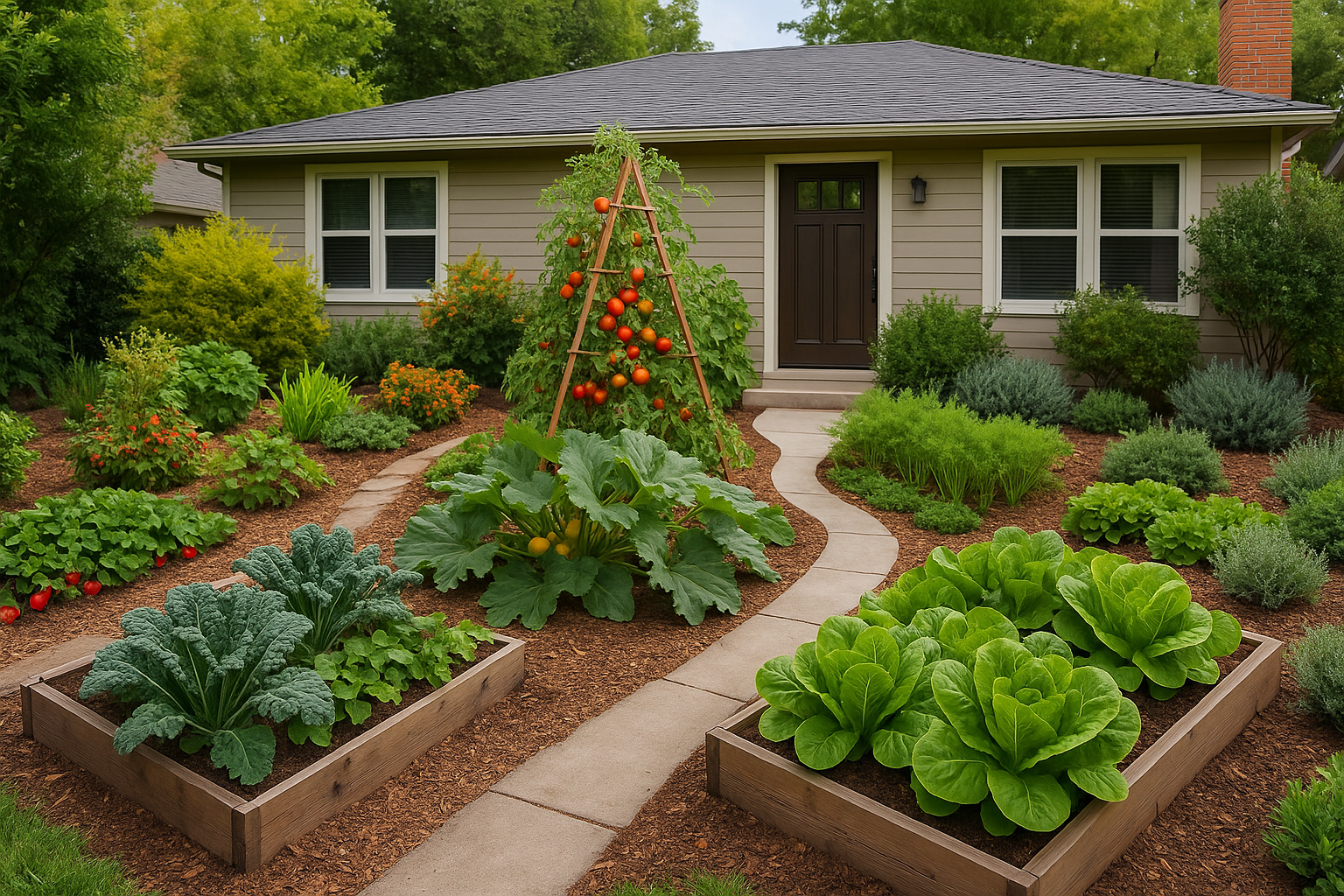
In recent years, the concept of sustainable living has gained significant traction, prompting homeowners to rethink traditional landscaping practices. One of the most rewarding methods of doing so is by converting a no-lawn front yard into an edible garden. This article aims to explore the multitude of benefits, creative ideas, and practical tips for developing a flourishing edible front yard while answering commonly asked questions.
The Benefits of Edible Gardening
1. Environmental Impact
One of the most compelling reasons to pursue an edible garden is its positive impact on the environment. By replacing water-intensive lawns with a variety of plants, you can:
-
Reduce Water Consumption: Lawns often require substantial amounts of water, especially in arid regions. Edible gardens, when designed with drought-resistant plants, can cut water usage dramatically.
-
Support Biodiversity: Growing a variety of fruits, vegetables, and herbs helps to create a mini-ecosystem that attracts beneficial insects like pollinators, which are essential for a healthy environment.
-
Carbon Sequestration: Plants absorb carbon dioxide and release oxygen, making your garden a carbon sink that helps offset your carbon footprint.
2. Food Security
Having a front yard edible garden means fresh, organic produce at your fingertips. With rising food prices and increased awareness of pesticide usage in commercial farming, home-grown vegetables provide a solution that’s both cost-effective and healthier.
3. Aesthetic Appeal
Gone are the days when landscaping meant just neat, green grass. An edible garden can be incredibly beautiful, showcasing vibrant colors, unique plant shapes, and seasonal interest. Imagine a front yard brimming with tomatoes in summer, followed by a bounty of pumpkins in fall, and winter greens in the colder months!
4. Community Engagement
Edible front yards can become conversation starters in your neighborhood. They can encourage sharing and collaboration, leading to a stronger sense of community. Plus, the act of gardening itself can be therapeutic and beneficial for mental health.
5. Educational Opportunities
If you have children, an edible garden can teach them about where food comes from, the importance of sustainable practices, and a hands-on approach to biology and ecology.
Common Questions About Edible Front Yards
1. What types of plants can I include in an edible front yard?
Edible gardens can encompass a rich variety of plants:
-
Vegetables: Choose from leafy greens (kale, spinach), root vegetables (carrots, radishes), and fruiting vegetables (tomatoes, peppers).
-
Fruits: Strawberries, blueberries, and dwarf fruit trees (like apple or peach) can all thrive in smaller spaces.
-
Herbs: Culinary herbs like basil, parsley, and mint can be planted among flowers for a fragrant experience.
-
Allies: Incorporate companion plants that enhance the growth of vegetables and deter pests, such as marigolds and nasturtiums.
2. How can I design my no-lawn front yard?
Layout Ideas
-
Raised Beds: Construct raised beds to improve soil quality and create an organized layout. This also makes gardening more accessible, especially for those with mobility challenges.
-
Vertical Gardening: Use vertical planters, trellises, or wall-mounted shelves to maximize space. This technique works beautifully for climbing plants like peas or beans.
-
Container Gardening: Consider using pots and containers. They can be easily moved around, allowing for flexibility in design and the ability to adapt to sunlight patterns.
-
Paths and Borders: Incorporate natural wood, stone, or brick paths that guide visitors and create an inviting flow.
3. How to ensure maintenance is manageable?
Maintainability is Key
-
Choose Low-Maintenance Plants: Opt for perennials over annuals when possible. Once established, perennials such as rhubarb or asparagus require less attention.
-
Mulching: Using mulch can suppress weeds, retain moisture, and improve soil quality.
-
Irrigation Systems: Consider drip irrigation or self-watering systems to simplify your watering routine.
4. What about pest control?
Natural pest control strategies include:
-
Companion Planting: Certain plants can repel pests if planted alongside vulnerable plants.
-
Homemade Deterrents: Use simple mixtures like soap and water or garlic sprays to keep pests at bay without resorting to synthetic pesticides.
-
Beneficial Insects: Introduce ladybugs or lacewings to help manage pest populations naturally.
Creative Ideas for an Edible Garden
1. Herb Spiral
A herb spiral is a unique vertical garden design that creates microclimates, allowing you to grow a variety of herbs in a small space. The spiral structure encourages drainage while retaining moisture for the plants. It looks stunning as a focal point and is highly functional.
2. Pollinator-Friendly Garden
Incorporate bee-friendly plants like lavender, echinacea, and sunflowers alongside your vegetables. This design educates visitors on the importance of pollinators and enhances your garden’s productivity.
3. Edible Walkways
Instead of traditional stone or gravel paths, consider planting edible ground covers such as creeping thymes or strawberries. This approach not only beautifies your garden but also encourages an interactive experience where visitors can pick fresh herbs or fruits while wandering through.
4. Seasonal Displays
Plan your edible garden with seasonal interest in mind. Use a mix of colors and structures to keep your garden visually appealing year-round. For example, plant bright red tomatoes in summer, kale in winter, and vibrant flowers like nasturtiums in between to attract pollinators.
5. Community Involvement
If zoning laws permit, consider hosting a “free herb day” or “produce swap” in your neighborhood. Encourage others to join the edible revolution. Not only can this foster relationships, but it also strengthens the community’s commitment to sustainability.
Practical Steps to Get Started
Step 1: Assess Your Space
Begin by evaluating your existing landscape. Consider factors like sunlight, soil type, and drainage capacity. A simple soil test can reveal important information about nutrient levels and pH, guiding your plant choices.
Step 2: Make a Plan
Sketch out your garden design. Factor in aspects like plant heights, sunlight requirements, and growth habits. Seasonal planning will ensure continuous produce availability.
Step 3: Prepare the Soil
Rich, healthy soil is the foundation for an abundant garden. Remove grass and weeds, and consider adding compost or organic matter to improve soil quality. Raised beds can also facilitate better drainage and growth.
Step 4: Plant Strategically
Plant according to your design, keeping in mind sunlight exposure and companion planting principles. As you plant, consider staggered sowing for continuous harvests.
Step 5: Maintenance and Care
Establish a routine that includes watering, weeding, and monitoring for pests. Remember that like any garden, your edible garden will evolve, requiring adjustments and care.
Conclusion
Transforming a no-lawn front yard into a vibrant edible garden can yield immense joy, environmental benefits, and community engagement. By selecting diverse plants, implementing creative designs, and staying open to ongoing learning, your garden will become a cherished extension of your home. Not only does an edible garden offer nourishment for your body, but it also nurtures the spirit, fostering a connection to nature that benefits both you and the environment. Embrace the challenge; your community and local ecosystem will thank you!