
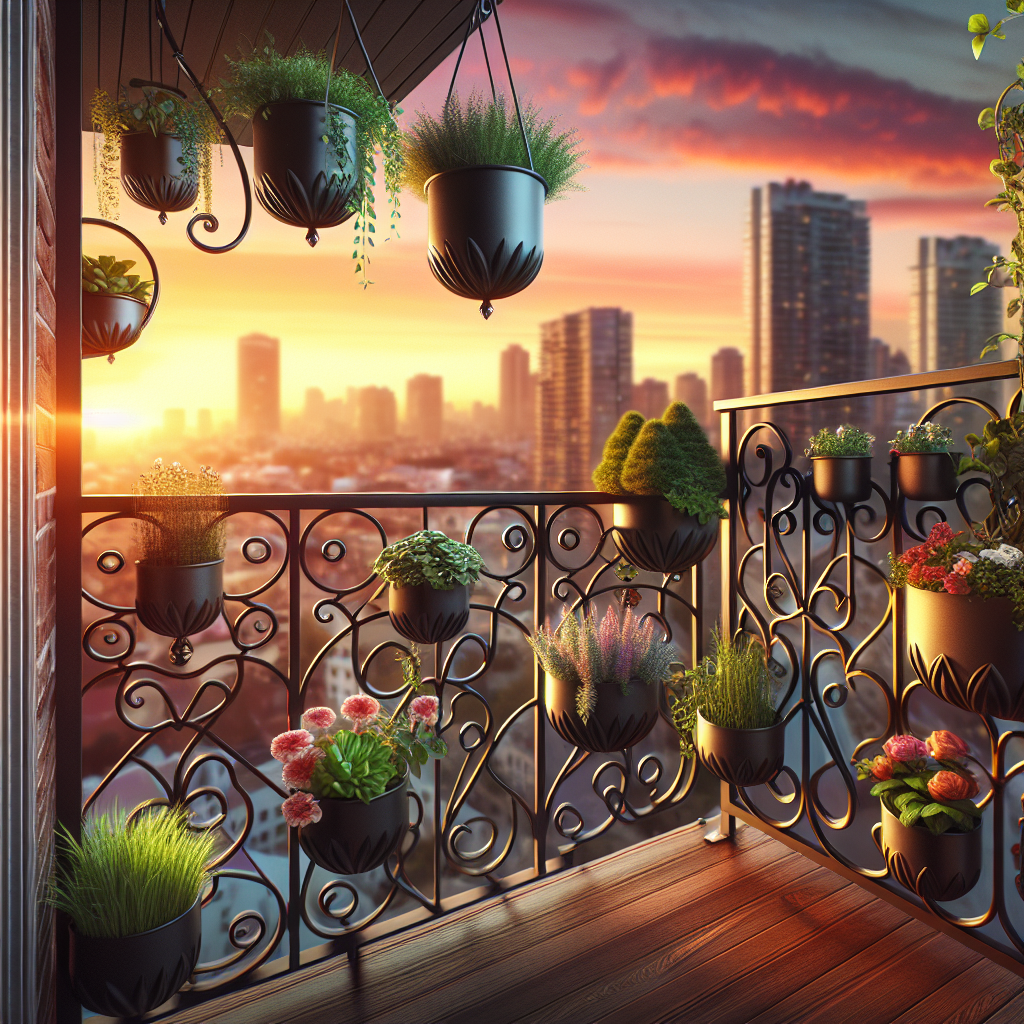
Balconies are often overlooked when it comes to gardening and green spaces in urban settings. However, with a little creativity and the right ideas, your balcony can become a lush sanctuary filled with vibrant plants. One of the most effective and visually appealing ways to incorporate greenery into your balcony is through railing planters. This article will explore various ideas, benefits, materials, and maintenance tips for balcony railing planters, along with answers to frequently asked questions.
What Are Railing Planters?
Definition and Purpose
Railing planters are specialized containers designed to sit on or attach to balcony railings. They provide a unique way to grow flowers, herbs, vegetables, or other plants without taking up precious floor space. The primary purpose is twofold: to beautify your balcony and to maximize space for urban gardening, making it an ideal solution for those in apartments or homes with limited outdoor space.
Advantages of Railing Planters
-
Space Efficiency: Balcony railing planters allow you to utilize vertical space effectively, leaving your floor area free for seating or other activities.
-
Easy Access: Being at eye level means that caring for your plants is more convenient, making watering, pruning, and harvesting easier.
-
Aesthetic Appeal: Railing planters can greatly enhance the visual appeal of your balcony. They can add color, texture, and life to an otherwise barren space.
-
Improved Air Quality: Plants can improve the air quality by absorbing carbon dioxide and releasing oxygen, contributing to a healthier living environment.
-
Microclimate Creation: Planters can help create a microclimate that may be more favorable for your plants than the surrounding urban environment.
Choosing the Right Plants for Your Railing Planter
What Types of Plants Can You Grow?
When selecting plants for your balcony railing planters, several factors should be taken into account, such as climate, sunlight exposure, and your personal taste. Here are different types of plants that thrive in railing planters:
-
Flowers: Brighten your balcony with flowers like petunias, geraniums, or marigolds. These plants are generally low-maintenance and offer vibrant colors.
-
Herbs: Culinary herbs such as basil, rosemary, thyme, and parsley can be grown in railing planters. They not only look attractive but also provide fresh ingredients for your kitchen.
-
Vegetables: Consider compact varieties of vegetables such as cherry tomatoes, radishes, or lettuce. Make sure to choose plants that can thrive in containers.
-
Succulents: If you live in a hot, dry climate, consider planting succulents or cacti, which are very low-maintenance and add an interesting texture to your railing planter.
-
Trailing Plants: Vining plants like ivy or creeping thyme can add layers and dimensions, cascading elegantly over the edge of your railing.
How to Choose the Right Plants for Your Climate
Sunlight: Monitor sunlight exposure on your balcony throughout the day. If your balcony receives full sun (6 or more hours), you can choose sun-loving plants. In partial shade (3-6 hours) or full shade (less than 3 hours), select plants that thrive in those conditions.
Temperature: Consider the average temperatures in your region. Certain plants may not tolerate frost, while others can withstand colder climates.
Wind Resistance: If your balcony is exposed to strong winds, plants with sturdy stems and leaves will fare better.
Creative Ideas for Balcony Railing Planters
Vertical Gardening
Maximizing Vertical Space
Consider using tiered planters or wall-mounted systems that can be attached directly to the railing. This makes full use of vertical space and allows for a greater variety of plants in a smaller area.
Hanging Planters
Incorporate hanging planters that dangle from railings. They add depth and movement to your display while providing room on the railing itself for additional pots.
Themed Displays
Color Coordination
Create a color scheme, such as monochromatic (various shades of one color) or complementary colors (colors that are opposite on the color wheel). This can make your balcony feel more cohesive and thoughtfully designed.
Seasonal Themes
Switch out your railing planters seasonally. For example, plant bright and cheerful pansies in spring, lush trailing plants in summer, vibrant fall foliage, and winter greens or evergreens during the colder months.
Unique Planter Materials
Recycled Materials
Consider using old containers such as wooden crates, metal buckets, or even repurposed plastic containers. This not only saves money but adds character to your balcony garden.
Decorative Planters
Opt for decorative ceramic pots or painted wooden boxes. They can be both functional and ornamental, making your balcony a distinctive garden.
Installation and Maintenance
How to Install Railing Planters
-
Measurement: Before purchasing or making your railing planters, accurately measure the width and height of your balcony railing.
-
Selection Criteria: Choose planters that can securely grip the railing without risking falling off. They should be able to withstand exposure to the elements.
-
Attachment: Use straps, clamps, or brackets, as per the manufacturer’s instructions, to ensure the planter is secure.
Maintenance Tips
-
Watering: Railing planters may dry out faster than ground-level garden beds. Be sure to check moisture levels regularly and water accordingly.
-
Fertilizing: Use a balanced liquid fertilizer every four to six weeks during the growing season for flowering plants. Herbs may require less frequent fertilization.
-
Pruning: Regularly prune dead or wilted leaves to encourage new growth and maintain aesthetics.
-
Pest Management: Keep an eye out for common pests such as aphids or spider mites. Organic pest control methods can be effective and keep your plants safe.
Frequently Asked Questions
Can I grow vegetables in railing planters?
Yes! Many compact or dwarf vegetable varieties can thrive in railing planters. Cherry tomatoes, peppers, and leafy greens are great choices.
How often should I water my railing planters?
Watering frequency will depend on the type of plants and weather conditions. Generally, check the soil daily, especially in hot weather, and water when the top inch of soil feels dry.
What materials are best for railing planters?
Materials such as lightweight plastic, wicker, or ceramic can be great choices for railing planters. Make sure any container has drainage holes to prevent overwatering.
Can I leave my railing planters outside during winter?
It depends on the plants. Perennial plants may survive winter, but most annuals and delicate plants will likely not. If you’re in a cold climate, consider bringing pots indoors or protecting them with insulating materials.
How do I prevent railing planters from blowing away?
Ensure that your planters are securely attached with straps or brackets. Additionally, using heavier materials can help them withstand high winds.
Are railing planters expensive?
Costs can vary based on the materials and size. However, many options are budget-friendly, especially if you opt for DIY solutions using recycled materials.
Final Thoughts
Creating a stunning balcony garden using railing planters opens up a world of possibilities. Not only can you beautify your living space, but you can also enjoy the myriad benefits that plants bring to your environment. By carefully selecting plants suited to your climate, choosing the right planter design, and committing to regular maintenance, you can cultivate a flourishing green oasis that enhances your overall quality of life.
Whether you decide to go for a simple herb garden or a vibrant floral display, railing planters offer a practical solution for balcony gardening that appeals to seasoned green thumbs and beginners alike. So grab your tools and get started today; your balcony is waiting to bloom!