
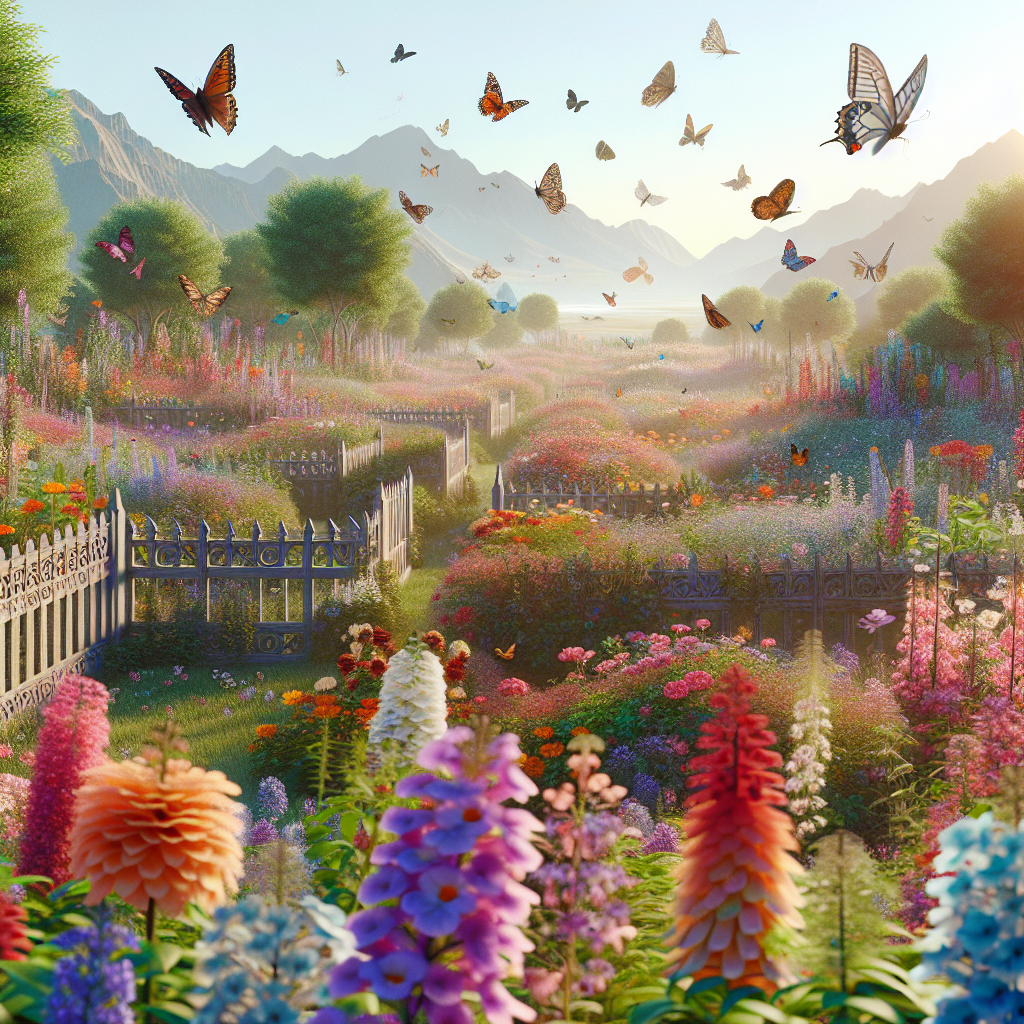
A butterfly garden is a delightful addition to any home landscape, offering vibrant colors, enchanting fragrances, and the chance to observe nature’s delicate pollinators at work. However, many hobbyists face a common dilemma: how to maintain a beautiful garden while deterring the ever-curious deer. This article will guide you in creating a deer-resistant butterfly garden that attracts these mesmerizing insects without inviting deer to feast on your prized plants.
Why Create a Butterfly Garden?
The Importance of Butterflies
Butterflies are not only breathtaking to watch but they also play a vital role in our ecosystems. As they flutter from flower to flower, they perform essential functions such as pollination, which helps plants reproduce. According to the Xerces Society, butterflies and moths are responsible for pollinating approximately 80% of the world’s flowering plants, including several fruits and vegetables.
Moreover, butterflies contribute to biodiversity. A healthy butterfly population is indicative of a thriving ecosystem, making them excellent indicators of environmental health. Creating a butterfly garden is a beautiful way to support these crucial insects while adding allure to your landscape.
Why Deer Resistance Matters
Deer can be destructive in gardens, voraciously munching on a variety of plants. If you live in an area with a high deer population, the challenge of maintaining a butterfly garden can be daunting. By focusing on deer-resistant plants, you can minimize the chances of having your hard work undone by hungry ungulates.
Key Considerations for Your Butterfly Garden
Before diving into the selection of plants, a few factors should be considered in the planning phase:
1. Location
Site selection is paramount in a butterfly garden. Butterflies are cold-blooded and prefer sunny spots where they can warm their bodies. Choose a location that receives at least 6-8 hours of sunlight each day. Additionally, opt for a sheltered area to protect butterflies from harsh winds.
2. Soil Preparation
Healthy soil supports healthy plants. Test your garden’s soil to determine the pH and nutrient levels. Often, adding organic matter such as compost can improve soil quality. A well-drained area is essential, as waterlogged roots can deter plant growth.
3. Diversity
A variety of plants will not only attract different butterfly species but also offer a broader habitat for caterpillars and other pollinators. Native plants are generally the best choice, as they have co-evolved with local species and are often more resilient to local pests and diseases.
4. Water Source
A small water feature, like a birdbath or shallow dish filled with pebbles and water, can provide butterflies with a necessary hydration source. Ensure that the water is shallow enough for butterflies to safely drink.
5. Seasonal Interest
To attract butterflies throughout the growing season, select plants that bloom at different times. Some species bloom in early spring, while others may not bloom until late summer or fall.
Choosing Deer-Resistant Plants
Selecting deer-resistant plants is critical for maintaining your butterfly garden. Here are some categories to consider:
1. Flowering Plants
Choose sturdy flowering plants that are known to deter deer while still being attractive to butterflies:
-
Milkweed (Asclepias spp.): A staple in butterfly gardens, especially for monarchs, milkweed can withstand deer browsing, thanks to its milky latex sap.
-
Coneflower (Echinacea spp.): With their vibrant, daisy-like flowers, coneflowers attract a variety of butterflies while often being overlooked by deer.
-
Black-eyed Susan (Rudbeckia hirta): This hardy plant thrives in diverse conditions, bringing cheerful yellow blooms that butterflies love.
2. Herbs
Many aromatic herbs are both beneficial for butterflies and resistant to deer:
-
Lavender (Lavandula spp.): Not only does it attract butterflies, but its strong scent often repels deer.
-
Sage (Salvia spp.): Both ornamental and culinary, sage is a favorite for butterflies and typically stands strong against deer.
-
Thyme (Thymus spp.): This low-growing herb can thrive in various conditions and is rarely targeted by deer.
3. Grasses
Grasses can provide structure to your garden while also being deer-resistant:
-
Little Bluestem (Schizachyrium scoparium): This native grass offers habitat for various species and provides a beautiful habitat for butterflies.
-
Indian Grass (Sorghastrum nutans): This tall grass can give vertical interest and is often ignored by deer.
4. Shrubs
Adding some shrubbery to your garden will enhance its appeal and functionality:
-
Butterfly Bush (Buddleia spp.): As the name suggests, it draws butterflies like a magnet and is typically not favored by deer.
-
Ninebark (Physocarpus opulifolius): With attractive foliage and flowers, this shrub provides nectar while being resistant to grazing.
5. Trees
If space allows, consider including tree species that can provide shade and habitat:
-
Eastern Redbud (Cercis canadensis): Its beautiful pink blooms attract butterflies, and deer tend to avoid them once established.
-
Serviceberry (Amelanchier spp.): This small tree offers beautiful spring flowers and fruit for birds, while being relatively deer-resistant.
Maintenance Tips for Your Butterfly Garden
1. Regular Watering
Newly planted areas may require consistent watering until they become established. Aim to water early in the morning or late in the afternoon to avoid evaporation.
2. Mulching
Apply a 2-3 inch layer of organic mulch to regulate soil moisture, suppress weeds, and improve soil quality as it breaks down.
3. Fertilizing
While many native plants tolerate poor soils, you may choose to fertilize annually with a slow-release organic fertilizer to encourage blooming.
4. Pruning
Regularly deadhead spent blooms and prune back overgrown plants to promote new growth and a healthy-looking garden.
5. Monitoring for Pests
Keep an eye out for pests like aphids that may affect the health of your plants. Prefer natural pest control methods, such as introducing beneficial insects or sprays made from natural ingredients.
Frequently Asked Questions (FAQs)
1. What are some plants that attract butterflies but are repellent to deer?
Some of the best deer-resistant plants that attract butterflies include milkweed, echinacea, black-eyed Susans, and various aromatic herbs like lavender and sage.
2. How can I deter deer from my garden?
Using strong-scented plants, installing physical barriers like fencing, and utilizing deer deterrents—both natural and commercial—can help keep deer at bay.
3. Is there a way to naturally attract butterflies?
Creating a diverse planting with native plants, providing water sources, and avoiding pesticides will naturally attract butterflies to your garden.
4. Do I need to worry about caterpillars eating my plants?
While some caterpillars may consume foliage, they are vital for the butterfly life cycle. If necessary, focus on planting multiple specimens of butterflies’ host plants to sustain both butterflies and your garden.
5. Can I combine deer-resistant plants with butterfly host plants?
Absolutely! Selecting host plants that cater to specific butterflies while choosing surrounding beneficial nectar plants can enhance the garden’s ecosystem.
6. When is the best time to plant a butterfly garden?
The best time to plant is typically in early spring or fall, depending on your climate. This allows plants to establish before summer’s heat or winter’s chill.
Final Thoughts
Creating a deer-resistant butterfly garden may seem daunting, but the rewards are well worth the effort. Not only will you enjoy a stunning array of colors and fragrances, but you will also make a significant contribution to local biodiversity.
By selecting the right plants, employing thoughtful garden design, and implementing effective maintenance practices, you can cultivate a sanctuary for butterflies that remains unscathed by deer. Through passion and patience, your garden will not only attract these beautiful creatures but also serve as a peaceful retreat for you and local wildlife alike.
With dedication, your garden can flourish into an Eden for both butterflies and yourself, transforming your landscape into a harmonious blend of beauty, functionality, and ecological importance. Happy gardening!